

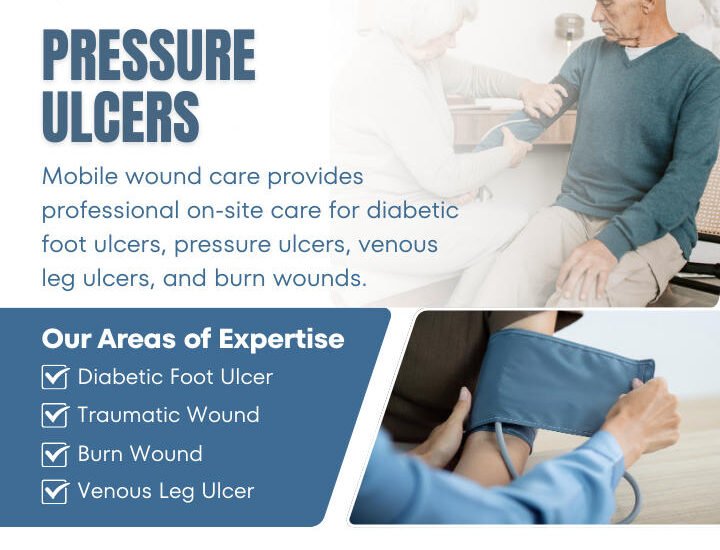
Comprehensive Pressure Sore Prevention and Treatment: In-Home Care Strategies for Effective Bedsore Management
Pressure sores, also known as bedsores or pressure ulcers, are injuries to the skin and underlying tissue resulting from prolonged pressure on the skin. They are a significant concern for individuals with limited mobility, particularly the elderly and those with chronic illnesses. This article explores effective in-home care strategies for preventing and treating pressure sores, emphasizing the importance of proactive measures and personalized care plans. Readers will learn about various prevention techniques, treatment options, and best practices for patient care, as well as long-term strategies to manage pressure sores effectively. By understanding the causes and risk factors associated with pressure sores, caregivers can implement effective interventions to enhance patient comfort and promote healing.
Research highlights the critical role of home health care interventions in preventing pressure ulcers.
Home Health Care Pressure Ulcer Prevention Interventions
in home health care. The purpose of this study was to delineate interventions and activities used to prevent PU in home health care. Strategies such as telehealth and Internet services may improve
Adapting pressure ulcer prevention for use in home health care, CM Daley, 2011
Prevention Techniques
Preventing pressure sores is crucial for maintaining skin integrity and overall health. Effective prevention techniques include:
- Regular Repositioning: Changing a patient’s position every two hours can significantly reduce pressure on vulnerable areas, preventing skin breakdown.
- Skin Care Routines: Maintaining clean and dry skin is essential. Regular inspections and gentle cleansing can help identify early signs of pressure damage.
- Nutritional Support: A balanced diet rich in proteins, vitamins, and minerals supports skin health and aids in the healing process.
Incorporating these techniques into daily routines can greatly reduce the risk of pressure sore development. For those needing specialized care, Healix 360 offers personalized care plans that include in-home wound assessments and dressing management to ensure optimal skin health.
Treatment Options
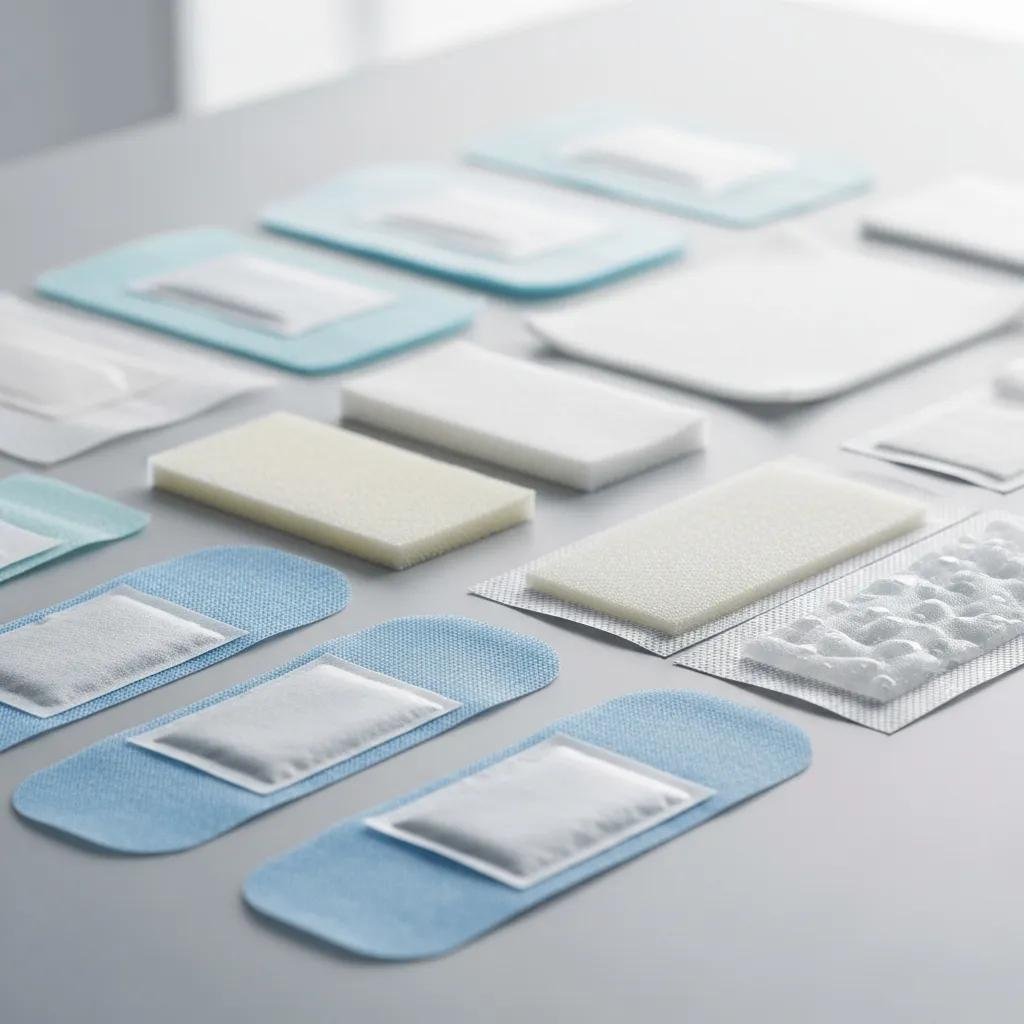
When pressure sores do occur, timely and effective treatment is essential. Various treatment options include:
- Advanced Dressings: Utilizing hydrocolloid dressings can create a moist environment that promotes healing while protecting the wound from infection.
- Debridement: This process involves removing dead or infected tissue to facilitate healing and prevent further complications.
- Negative Pressure Wound Therapy: This advanced treatment uses suction to promote healing by drawing out fluid and increasing blood flow to the area.
Further studies confirm the efficacy of negative pressure wound therapy specifically within the home care setting.
Negative Pressure Wound Therapy in Home Care
of studies that compared negative pressure wound therapy with other wound treatments or other NPWT devices among patients in the home environment, sorted by wound etiology
Negative pressure wound therapy technologies for chronic wound care in the home setting: a systematic review, 2015
In-home wound care services provide patients with access to advanced treatment options tailored to their specific needs.
Best Practices for Patient Care
Effective management of pressure sores requires adherence to best practices in patient care. Key practices include:
- Regular Skin Assessments: Caregivers should conduct daily skin inspections to identify any changes or signs of pressure damage early.
- Monitoring for Infection: Keeping an eye out for signs of infection, such as increased redness, swelling, or discharge, is vital for timely intervention.
- Patient Education: Educating patients and caregivers about pressure sore prevention and management can empower them to take an active role in care.
By following these best practices, caregivers can enhance patient outcomes and reduce the risk of complications associated with pressure sores.
Long-Term Care Strategies
Long-term management of pressure sores involves comprehensive care strategies that address both prevention and treatment. Effective strategies include:
- Comprehensive Care Plans: Developing individualized care plans that consider the patient’s specific needs and risk factors is essential for effective management.
- Collaboration Between Caregivers and Healthcare Providers: Regular communication and collaboration among caregivers, healthcare providers, and patients ensure that care plans are adjusted as needed for optimal outcomes.
Implementing these long-term strategies can significantly improve the quality of life for patients at risk of pressure sores.
What Are Pressure Sores and What Causes Them?
Pressure sores are localized injuries to the skin and underlying tissue, primarily caused by prolonged pressure. They can develop in any area of the body but are most common over bony prominences such as the heels, sacrum, and elbows. Understanding the causes and risk factors is crucial for effective prevention and treatment.
How Does Prolonged Pressure Lead to Ulcer Formation?
Prolonged pressure restricts blood flow to the skin and underlying tissues, leading to tissue ischemia and eventual necrosis. The timeframe for tissue damage can vary, but significant injury can occur within just a few hours of sustained pressure. This highlights the importance of regular repositioning and monitoring in at-risk individuals.
Which Populations Are Most at Risk for Pressure Ulcers?
Certain populations are more susceptible to developing pressure ulcers, including:
- Elderly Individuals: Age-related skin changes and decreased mobility increase risk.
- Bedridden Patients: Prolonged immobility due to illness or injury heightens vulnerability.
- Chronic Illness Patients: Conditions such as diabetes and vascular diseases can impair circulation and skin integrity.
Recognizing these risk factors allows caregivers to implement targeted prevention strategies.
How Can In-Home Care Effectively Prevent Bedsores in Elderly Patients?
In-home care can play a pivotal role in preventing bedsores among elderly patients. Key strategies include:
- Regular Repositioning: Ensuring that patients are repositioned frequently to alleviate pressure.
- Skin Care Routines: Implementing daily skin care routines to maintain skin health.
- Nutritional Support: Providing a diet rich in essential nutrients to support skin integrity.
These strategies can significantly reduce the incidence of pressure sores in elderly patients receiving in-home care.
What Are Best Practices for Skin Assessment and Repositioning at Home?
Best practices for skin assessment and repositioning include:
- Frequency of Repositioning: Patients should be repositioned at least every two hours to prevent pressure buildup.
- Daily Skin Inspections: Caregivers should conduct thorough skin assessments daily to catch early signs of pressure damage.
By adhering to these practices, caregivers can effectively manage and prevent pressure sores in home settings.
How Does Mobility and Pressure Relief Reduce Ulcer Risk?
Encouraging mobility and utilizing pressure-relieving devices are essential in reducing ulcer risk. Regular movement helps maintain blood flow and skin integrity, while specialized support surfaces can redistribute pressure away from vulnerable areas. These measures are critical in preventing pressure sores, especially in high-risk populations.
What Are the Optimal Wound Care and Dressing Options for Pressure Ulcers?
Selecting the right dressing is crucial for effective wound care. Optimal options include:
- Hydrocolloid Dressings: These dressings provide a moist environment conducive to healing.
- Foam Dressings: Ideal for absorbing exudate while protecting the wound.
- Alginate Dressings: Suitable for wounds with significant drainage, promoting healing while managing moisture levels.
Choosing the appropriate dressing can significantly impact healing outcomes for pressure ulcers.
How Is Infection Controlled During In-Home Wound Management?
Infection control is vital in managing pressure ulcers. Key measures include:
- Hygiene Practices: Maintaining strict hygiene during dressing changes to prevent contamination.
- Monitoring for Infection: Regularly checking for signs of infection, such as increased redness, swelling, or discharge.
Implementing these infection control measures can help ensure successful wound management in home settings.
How Do Nutrition and Lifestyle Factors Influence Pressure Sore Healing?
Nutrition and lifestyle play a significant role in the healing process of pressure sores. Key factors include:
- Nutritional Support: Adequate protein intake is essential for tissue repair and regeneration.
- Hydration Importance: Maintaining proper hydration levels supports skin health and healing.
By addressing these factors, caregivers can enhance healing outcomes for patients with pressure sores.
What Nutritional Interventions Promote Wound Healing?
Several nutritional interventions can support wound healing, including:
- Protein-Rich Foods: Foods such as lean meats, dairy, and legumes provide essential amino acids for tissue repair.
- Vitamins and Minerals: Nutrients like vitamin C and zinc are crucial for collagen synthesis and immune function.
Incorporating these nutritional strategies can significantly improve healing rates for pressure ulcers.
How Does Patient Education Enhance Treatment Outcomes?

Patient education is a critical component of effective pressure sore management. Educating patients and caregivers about:
- Understanding Nutrition’s Role: Knowledge of how nutrition impacts healing can encourage better dietary choices.
- Recognizing Signs of Skin Breakdown: Early recognition of pressure sore symptoms can lead to timely intervention.
By empowering patients with knowledge, caregivers can enhance treatment outcomes and promote proactive management of pressure sores.
Indeed, targeted training programs for family caregivers have shown positive effects on their knowledge and self-efficacy in preventing pressure sores at home.
Family Caregiver Training for Pressure Sore Prevention at Home
OBJECTIVES: This quasi-experimental research design was aimed to determine effects of pressure sore (PS) prevention program on knowledge and self-efficacy of family caregivers in decreasing PS risk of persons with cerebrovascular disease (CVD).MATERIAL AND METHODS: Study participants were family caregivers of persons with CVD and these were randomly selected and placed into two groups: an experimental group with 27 participants receiving the PS prevention program for 8 weeks and a control group with 26 participants receiving routine nursing care at home.
Effects of pressure sore prevention program on knowledge and self-efficacy of family caregivers in decreasing pressure sore risk of persons with cerebrovascular …, S Chiaprasert, 2019
What Is the Process for Patient Referrals and Scheduling In-Home Wound Care Appointments?
The process for initiating referrals and scheduling in-home wound care appointments is straightforward. Patients or caregivers can contact healthcare providers to discuss the need for specialized wound care services.
How Can Patients and Providers Initiate Referrals to Healix 360?
To initiate referrals to Healix 360, patients and providers should:
- Gather Necessary Information: Collect relevant medical history and details about the patient’s condition.
- Contact Healix 360: Reach out to the company to discuss the referral process and schedule an appointment.
This streamlined process ensures that patients receive timely and effective wound care in the comfort of their homes.
What Are the Steps to Schedule and Prepare for In-Home Wound Care Visits?
Scheduling and preparing for in-home wound care visits involves several key steps:
- Preparing the Home Environment: Ensure that the area is clean and accessible for the healthcare provider.
- Gathering Medical History: Have all relevant medical documents ready for the provider’s review.
By following these steps, patients can facilitate a smooth and effective in-home wound care experience.