
Stem Cell Therapy in Wound Care: Advanced Regenerative Medicine Solutions for Chronic Wound Healing
Stem cell therapy represents a groundbreaking advancement in regenerative medicine, particularly in the realm of wound care. This innovative approach harnesses the body’s natural healing mechanisms to address chronic wounds that often resist conventional treatments. In this article, we will explore the mechanisms by which stem cells enhance wound healing, the types of stem cells utilized, and the chronic wounds that can benefit from these therapies. Additionally, we will discuss clinical applications, outcomes, and the future of stem cell therapy in wound care, providing a comprehensive overview of this transformative field.
Advanced Regenerative Medicine Solutions for Chronic Wound Healing through Stem Cell Therapy
Regenerative medicine, particularly through stem cell therapy, offers promising solutions for chronic wound healing. This approach utilizes the unique properties of stem cells to stimulate tissue regeneration and repair. Chronic wounds, such as diabetic foot ulcers and venous leg ulcers, pose significant challenges in healthcare, often leading to prolonged suffering and increased healthcare costs. Stem cell therapy addresses these challenges by promoting healing through various biological mechanisms, including inflammation modulation and tissue regeneration.
Further research emphasizes the broad scope of regenerative medicine, highlighting the diverse technologies being explored to enhance wound healing and prevent severe complications.
Advances in Regenerative Medicine for Chronic Wound Healing
Treating chronic wounds is a common and costly challenge worldwide. More advanced treatments are needed to improve wound healing and prevent severe complications such as infection and amputation. Regenerative medicine as a new method has aroused hope in treating chronic wounds. The technology improving wound healing includes using customizable matrices based on synthetic and natural polymers, different types of autologous and allogeneic cells at different differentiation phases, small molecules, peptides, and proteins as a growth factor, RNA interference, and gene therapy.
Current advances in wound healing and regenerative medicine, M Moradi, 2024
Mechanisms of Mesenchymal Stem Cells (MSCs):
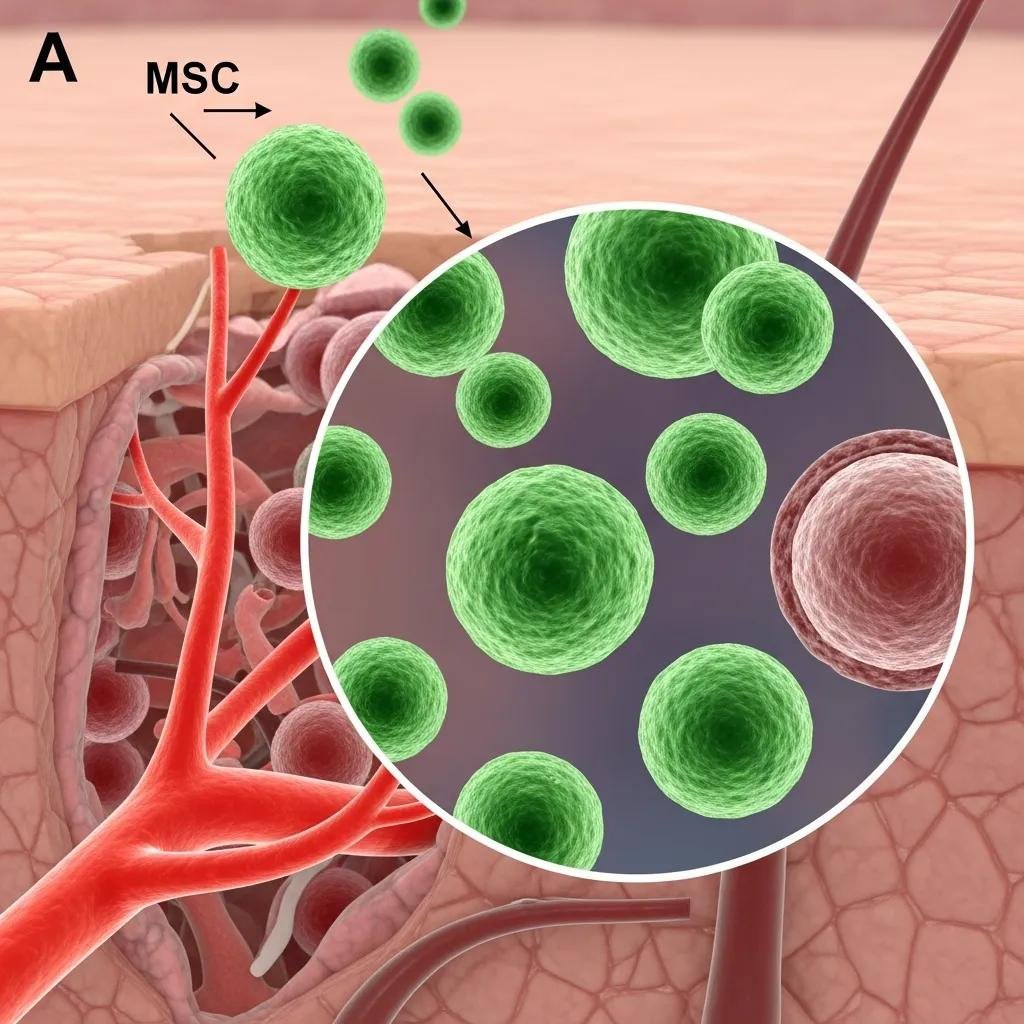
Mesenchymal stem cells (MSCs) play a crucial role in the healing process of chronic wounds. These cells are known for their ability to differentiate into various cell types and secrete growth factors that facilitate healing. The primary mechanisms through which MSCs enhance wound healing include:
- Tissue Growth Stimulation: MSCs promote the proliferation of skin cells, aiding in the formation of new tissue.
- Inflammation Modulation: By regulating the inflammatory response, MSCs help create a conducive environment for healing.
- Angiogenesis: MSCs stimulate the formation of new blood vessels, improving blood supply to the wound site.
Understanding these mechanisms is essential for optimizing the use of MSCs in clinical applications.
Types of Stem Cells Used:
In the context of wound care, several types of stem cells are utilized, each with unique properties and applications:
- Mesenchymal Stem Cells (MSCs): Derived from various tissues, including bone marrow and adipose tissue, MSCs are widely used for their regenerative capabilities.
- Amniotic-Derived Stem Cells: These cells are obtained from the amniotic fluid and have shown promise in promoting wound healing due to their anti-inflammatory properties.
The choice of stem cell type can significantly impact the effectiveness of the treatment.
Chronic Wounds Effectively Treated:
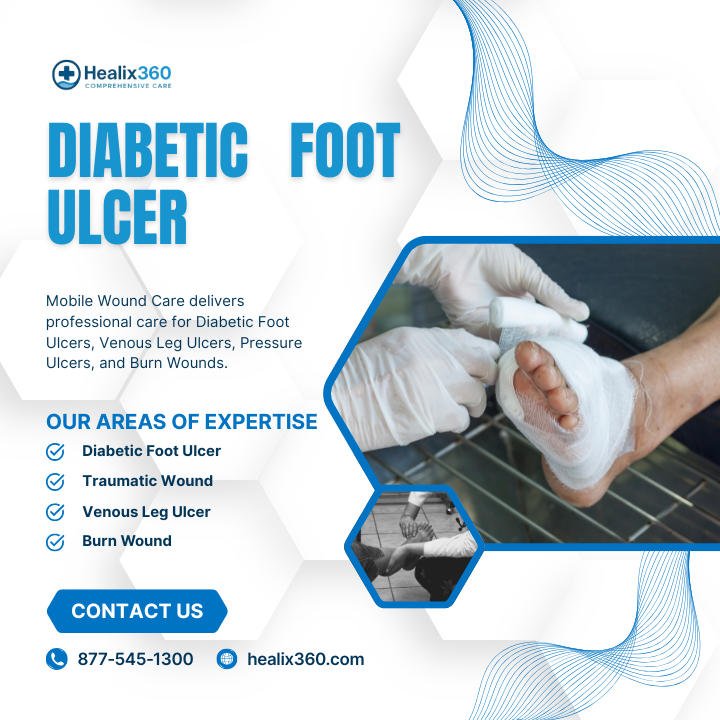
Stem cell therapy has demonstrated efficacy in treating various types of chronic wounds, including:
- Diabetic Foot Ulcers: These wounds are common in diabetic patients and can lead to severe complications if not treated effectively.
- Venous Leg Ulcers: Often resulting from poor circulation, these ulcers can be challenging to heal with traditional methods.
- Pressure Injuries: Also known as bedsores, these wounds can develop in patients with limited mobility and require advanced treatment options.
The application of stem cell therapy in these cases has shown promising results, leading to improved healing rates and patient outcomes.
Despite the promising results observed in treating various chronic wounds, the efficacy of mesenchymal stem cell therapy for diabetic lower extremity vascular disease specifically has shown inconsistent outcomes across studies.
Efficacy of Mesenchymal Stem Cell Therapy for Diabetic Wounds
Several studies have shown the efficacy of mesenchymal stem cell (MSC) therapy for lower extremity vascular disease (LEVD) in diabetic patients, but the results are not consistent.
The safety and efficacy of mesenchymal stem cell therapy in diabetic lower extremity vascular disease: a meta-analysis and systematic review, 2022
Clinical Applications and Outcomes:
The clinical application of stem cell therapy in wound care involves a structured treatment protocol that includes patient assessment, stem cell administration, and follow-up care. Expected outcomes from stem cell therapy include:
- Enhanced Healing Rates: Patients often experience faster wound closure compared to conventional treatments.
- Reduced Complications: The use of stem cells can lead to fewer infections and other complications associated with chronic wounds.
- Improved Quality of Life: Successful treatment of chronic wounds can significantly enhance patients’ overall well-being.
Healix 360 specializes in regenerative medicine, providing advanced therapies, including stem cell treatments aimed at enhancing wound healing and overall wellness.
While clinical trials show promising results in the application of regenerative medicine in dermatology and wound care, it is important to note that commercially available treatments are still evolving.
Clinical Applications of Regenerative Medicine in Wound Care
During the last two decades, a number of studies have been carried out on the application of regenerative medicine in the field of dermatology. The aim was to critically review the application of regenerative medicine in dermatology and to see if these strategies would apply for burns and non-healing diabetic wounds. Although a high number of clinical trials show promising results, there is still no commercially available treatment for use.
Regenerative medicine applications in wound care, MA Nilforoushzadeh, 2017
What Is Stem Cell Therapy and How Does It Enhance Wound Healing?
Stem cell therapy involves the use of stem cells to promote healing and regeneration of damaged tissues. This innovative approach enhances wound healing by leveraging the unique properties of stem cells, which can differentiate into various cell types and secrete growth factors that facilitate tissue repair. The primary benefits of stem cell therapy in wound care include accelerated healing, reduced inflammation, and improved tissue regeneration.
Mechanisms of Mesenchymal Stem Cells in Tissue Regeneration
Mesenchymal stem cells (MSCs) contribute to tissue regeneration through several key mechanisms:
- Differentiation: MSCs can differentiate into various cell types, including skin cells, which are essential for wound healing.
- Angiogenesis: They promote the formation of new blood vessels, ensuring adequate blood supply to the healing tissue.
- Cell Recruitment: MSCs attract other cells involved in the healing process, enhancing the overall regenerative response.
These mechanisms highlight the potential of MSCs in advancing wound care therapies.
Types of Stem Cells Used in Regenerative Wound Treatments
In regenerative wound treatments, the following types of stem cells are commonly used:
- Mesenchymal Stem Cells (MSCs): Known for their versatility and regenerative properties, MSCs are a primary choice for wound healing therapies.
- Amniotic-Derived Stem Cells: These cells are valued for their anti-inflammatory effects and ability to promote healing in chronic wounds.
The selection of stem cell type is critical for optimizing treatment outcomes.
Which Chronic Wounds Are Effectively Treated with Stem Cell Therapy?
Stem cell therapy has shown effectiveness in treating various chronic wounds, including:
- Diabetic Foot Ulcers: These wounds are particularly challenging due to underlying health conditions affecting healing.
- Venous Leg Ulcers: Often associated with poor circulation, these ulcers benefit significantly from regenerative therapies.
- Pressure Ulcers: Stem cell therapy can accelerate healing in patients with limited mobility, reducing the risk of complications.
The application of stem cell therapy in these cases has led to improved healing outcomes and patient satisfaction.
What Are the Established Treatment Protocols and Patient Eligibility Criteria?
Established treatment protocols for stem cell therapy in wound care involve:
- Wound Assessment: Comprehensive evaluation of the wound’s condition and underlying causes.
- Infection Control: Ensuring that any infections are managed before stem cell treatment.
- Patient Screening: Identifying suitable candidates for therapy based on their overall health and specific wound characteristics.
These protocols are essential for maximizing the effectiveness of stem cell treatments.
Personalized Regenerative Treatment Plans and Delivery Methods
Personalized treatment plans are crucial for the success of stem cell therapy. Factors to consider include:
- Customization Strategies: Tailoring the treatment approach based on individual patient needs and wound characteristics.
- Administration Techniques: Utilizing various delivery methods, such as injections or topical applications, to optimize stem cell efficacy.
These personalized approaches enhance the likelihood of successful healing outcomes.
Safety Considerations and Patient Eligibility for Stem Cell Therapy
Safety is a paramount concern in stem cell therapy. Key considerations include:
- Regulatory Compliance: Ensuring that all treatments adhere to established safety guidelines and regulations.
- Thorough Screening: Conducting comprehensive assessments to identify potential risks and contraindications.
- Potential Risks: Understanding the possible side effects and complications associated with stem cell treatments.
Patient eligibility is determined based on these safety considerations, ensuring that only suitable candidates receive therapy.
What Clinical Evidence Supports the Benefits of Stem Cell Therapy in Wound Care?
Clinical evidence supporting the benefits of stem cell therapy in wound care is growing. Key findings include:
- Mechanisms of Action: Research demonstrates how stem cells promote healing through various biological pathways.
- Types of Stem Cells Used: Studies highlight the effectiveness of different stem cell types in enhancing wound healing.
- Patient Outcomes: Clinical trials have shown significant improvements in healing rates and overall patient satisfaction.
This evidence underscores the potential of stem cell therapy as a viable treatment option for chronic wounds.
Recent Clinical Trials and Outcomes from 2023-2026
Recent clinical trials conducted between 2023 and 2026 have provided valuable insights into the effectiveness of stem cell therapy in wound care. Key outcomes include:
- Clinical Trial Results: Many studies report accelerated healing times and reduced complications in patients receiving stem cell treatments.
- Patient Outcomes: Positive feedback from patients highlights the impact of these therapies on their quality of life.
- Future Research Directions: Ongoing studies aim to refine treatment protocols and explore new applications for stem cell therapy.
These findings contribute to the growing body of evidence supporting the use of stem cells in regenerative medicine.
Case Studies Demonstrating Accelerated Healing and Reduced Complications
Case studies have illustrated the real-world effectiveness of stem cell therapy in wound care. Notable examples include:
- Successful Treatments: Patients with chronic wounds have experienced significant healing improvements following stem cell therapy.
- Patient Testimonials: Positive feedback from patients highlights the transformative impact of these treatments on their lives.
- Comparative Outcomes: Studies comparing stem cell therapy to traditional methods show superior healing rates and fewer complications.
These case studies reinforce the potential of stem cell therapy as a leading solution for chronic wound management.
How Do Insurance and Cost Factors Influence Access to Stem Cell Wound Treatments?
Insurance and cost factors play a significant role in access to stem cell wound treatments. Key considerations include:
- Cost of Treatments: The financial burden of stem cell therapies can be a barrier for many patients.
- Insurance Coverage: Variability in insurance coverage for regenerative medicine can impact patient access to these therapies.
- Financial Barriers: Understanding the economic challenges associated with stem cell treatments is essential for improving access.
Addressing these factors is crucial for expanding the reach of stem cell therapy in wound care.
Insurance Coverage Trends for Regenerative Medicine Wound Care
Insurance coverage trends for regenerative medicine in wound care are evolving. Key points include:
- Medicare Coverage: Increasing recognition of the benefits of stem cell therapy has led to expanded coverage options.
- Private Insurance Trends: Many private insurers are beginning to include regenerative therapies in their plans.
- Patient Assistance Programs: Initiatives aimed at helping patients navigate financial barriers are becoming more common.
These trends indicate a growing acceptance of stem cell therapy within the healthcare system.
Cost-Effectiveness Analysis of Stem Cell Therapies in Chronic Wound Management
Cost-effectiveness analyses of stem cell therapies reveal important insights into their economic viability. Key findings include:
- Cost Comparisons: Evaluating the costs of stem cell treatments against traditional methods highlights potential savings.
- Long-Term Savings: Successful wound healing can lead to reduced overall healthcare costs for patients and providers.
- Value-Based Care: Emphasizing the value of regenerative therapies in improving patient outcomes is essential for justifying their costs.
These analyses support the argument for integrating stem cell therapy into standard wound care practices.
How Can Healthcare Providers Partner with Regenerative Medicine Specialists?
Collaboration between healthcare providers and regenerative medicine specialists is vital for advancing patient care. Key strategies include:
- Integrated Care Plans: Developing comprehensive treatment plans that incorporate regenerative therapies can enhance patient outcomes.
- Multidisciplinary Teams: Collaborating with specialists from various fields can improve the overall management of chronic wounds.
- Patient-Centric Approaches: Focusing on the individual needs of patients ensures that treatment plans are tailored for optimal results.
These partnerships are essential for maximizing the benefits of stem cell therapy in wound care.
Streamlined Appointment Scheduling and Referral Systems
Improving appointment scheduling and referral systems can enhance patient access to stem cell therapies. Key considerations include:
- Clear Referral Pathways: Establishing straightforward referral processes can facilitate timely access to regenerative treatments.
- Implementation Strategies: Utilizing technology to streamline scheduling can improve patient experiences.
- Benefits for Patient Care: Efficient systems lead to better patient outcomes and satisfaction.
These improvements are crucial for ensuring that patients receive the care they need promptly.
Benefits of Provider Partnerships in Advancing Patient Outcomes
Provider partnerships play a significant role in advancing patient outcomes in wound care. Key benefits include:
- Access to Advanced Therapies: Collaborating with regenerative medicine specialists allows providers to offer cutting-edge treatments.
- Personalized Treatment Plans: Joint efforts can lead to more tailored approaches that address individual patient needs.
- Improved Healing Rates: Enhanced collaboration often results in better healing outcomes for patients with chronic wounds.
These partnerships are essential for fostering innovation and improving care in the field of wound management.
To learn more about how Healix 360 can help with your wound care needs, consider reaching out to their team.
For those interested in exploring options beyond traditional clinical settings, private residences offer a unique and personalized approach to care.
Understanding the conditions that can be treated with stem cell therapy is crucial for making informed decisions about your health.
If you have any questions or would like to discuss your specific needs, don’t hesitate to contact Healix 360 directly.