
Advanced Biologics in Mobile Wound Care: Comprehensive Guide to Cutting-Edge Treatment Options for Accelerated Healing
Advanced biologics represent a revolutionary approach in mobile wound care, integrating innovative treatment options that significantly enhance healing processes. This comprehensive guide delves into the various types of advanced biologics, their applications, and the benefits they offer in wound management. As chronic wounds continue to pose challenges in healthcare, understanding these cutting-edge treatments is crucial for both practitioners and patients. This article will explore the mechanisms behind advanced biologics, their specific applications in wound care, and how they can improve patient outcomes. We will also discuss the role of companies like Healix 360, which focus on providing these advanced treatment options.
Comprehensive Guide on Advanced Biologics in Mobile Wound Care
Advanced biologics are specialized medical products derived from living organisms that are used to promote healing in wounds. These biologics leverage the body’s natural healing processes, enhancing tissue regeneration and repair. By utilizing cellular therapy and regenerative medicine, advanced biologics can address complex wound healing challenges, particularly in chronic wounds that do not respond to traditional treatments. The integration of these biologics into mobile wound care solutions allows for more personalized and effective treatment plans, ultimately improving patient outcomes.
Types of Biologics
The landscape of advanced biologics in wound care includes several innovative treatment options, each with unique mechanisms and benefits. Understanding these types is essential for selecting the appropriate therapy for specific wound conditions.
Biologic Dressings
Biologic dressings are specialized wound coverings that incorporate living cells or biological materials to facilitate healing. These dressings provide a moist environment, promote cell migration, and can deliver growth factors directly to the wound site. They are particularly effective for treating chronic wounds, such as diabetic ulcers and pressure sores, by accelerating the healing process and reducing the risk of infection.
Stem Cell Therapy
Stem cell therapy involves the use of stem cells to regenerate damaged tissues and promote healing. This therapy harnesses the regenerative capabilities of stem cells, which can differentiate into various cell types needed for tissue repair. In wound care, stem cell therapy has shown promise in treating non-healing wounds by enhancing the body’s natural healing response and improving tissue regeneration.
Studies confirm the promising potential of stem cell therapy as a regenerative medicine approach, leveraging their self-renewable and immune-modulatory effects to enhance skin regeneration and wound restoration.
Stem Cell Therapy for Chronic Wound Regeneration
Regenerative medicines using stem cells have recently become apparent as a promising approach and are an active zone of investigation. They hold the potential to differentiate into specific types of cells and thus possess self-renewable, regenerative, and immune-modulatory effects. Cell therapy has proven to have substantial control over enhancing the quality and rate of skin regeneration and wound restoration.
Cellular therapeutics for chronic wound healing: future for regenerative medicine, A Kumar, 2022
Amniotic Membrane Grafts
Amniotic membrane grafts are derived from the amniotic sac and are rich in growth factors and proteins that promote healing. These grafts can be applied to wounds to provide a biological barrier, reduce inflammation, and stimulate tissue regeneration. They are particularly beneficial for chronic wounds and surgical sites, offering a natural solution to enhance healing.
Further research highlights the significant role of amniotic membrane transplantation in promoting healing, reducing infection, and facilitating epithelialization in chronic wounds.
Amniotic Membrane Transplantation for Chronic Wound Healing
Amniotic membrane transplantation (AMT) has emerged as a versatile therapeutic modality with significant applications in wound healing, tissue regeneration, and ophthalmology. This review comprehensively evaluates AMT’s efficacy in acute and chronic wound management, where it has been shown to alleviate pain, reduce infection risk, and facilitate epithelialization. In chronic wounds, AMT enhances healing through mechanisms such as re-epithelialization, angiogenesis, and immune modulation.
Amniotic membrane transplantation for wound healing, tissue regeneration and immune modulation, UPS Parmar, 2025
Negative Pressure Wound Therapy (NPWT)
Negative Pressure Wound Therapy (NPWT) is a technique that uses a vacuum dressing to promote healing in acute and chronic wounds. By applying negative pressure, NPWT helps to draw out excess fluid, reduce edema, and enhance blood flow to the wound area. This therapy has been shown to accelerate healing times and improve overall wound outcomes.
Cellular Therapies
Cellular therapies involve the application of living cells to promote healing and tissue regeneration. These therapies can include the use of fibroblasts, keratinocytes, or other cell types that play a crucial role in the wound healing process. By delivering these cells directly to the wound site, cellular therapies can enhance the body’s natural healing mechanisms and improve recovery times.
Applications in Wound Management
Advanced biologics are increasingly being integrated into wound management protocols, offering innovative solutions for various wound types. These biologics can be tailored to meet the specific needs of patients, providing personalized treatment options that enhance healing outcomes. The applications of advanced biologics in wound management include:
- Chronic Wound Treatment: Advanced biologics are particularly effective for chronic wounds that fail to heal with conventional therapies. By addressing underlying issues such as poor blood flow and infection, these treatments can significantly improve healing rates.
- Surgical Wound Care: In surgical settings, advanced biologics can be used to promote faster recovery and reduce complications. Their ability to enhance tissue regeneration makes them valuable in post-operative care.
- Burn Treatment: Advanced biologics can also be applied in burn care, where they help to accelerate healing and minimize scarring. Their biological properties support the regeneration of damaged skin and underlying tissues.
Benefits of Advanced Biologics in Mobile Wound Care
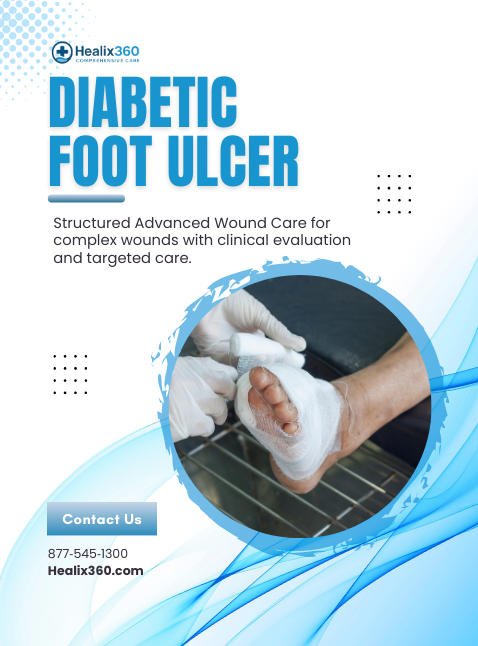
The integration of advanced biologics into mobile wound care offers numerous benefits that enhance patient outcomes and improve the overall healing process. Some of the key advantages include:
- Accelerated Healing: Advanced biologics can significantly speed up the healing process by promoting tissue regeneration and reducing inflammation.
- Reduced Complications: By addressing the underlying causes of delayed healing, such as infection and poor blood flow, advanced biologics can lower the risk of complications associated with chronic wounds.
- Improved Patient Comfort: Many advanced biologics are designed to be less painful and more comfortable for patients compared to traditional wound care methods, enhancing the overall patient experience.
Healix 360 is positioned as a health and wellness company focusing on advanced biologics in mobile wound care, offering cutting-edge treatment options that integrate cellular therapy and regenerative medicine.
What Are Advanced Biologics and Their Role in Mobile Wound Care?
Advanced biologics are innovative medical products derived from living organisms that play a crucial role in enhancing wound healing. These biologics utilize the body’s natural healing mechanisms to promote tissue regeneration and repair. By integrating advanced biologics into mobile wound care, healthcare providers can offer more effective and personalized treatment options for patients with chronic and complex wounds.
How Do Regenerative Wound Treatments Enhance Healing?
Regenerative wound treatments enhance healing by utilizing biological materials and living cells to stimulate the body’s natural repair processes. These treatments can improve blood flow, reduce inflammation, and promote the growth of new tissue, leading to faster and more effective healing outcomes. By addressing the root causes of delayed healing, regenerative treatments can significantly improve patient outcomes.
The field of regenerative medicine continues to evolve, offering new hope for treating chronic wounds through various advanced technologies and biological components.
Advanced Regenerative Medicine for Chronic Wound Healing
Regenerative medicine as a new method has aroused hope in treating chronic wounds. The technology improving wound healing includes using customizable matrices based on synthetic and natural polymers, different types of autologous and allogeneic cells at different differentiation phases, small molecules, peptides, and proteins as a growth factor, RNA interference, and gene therapy.
Current advances in wound healing and regenerative medicine, M Moradi, 2024
How Does Cellular Therapy Accelerate Wound Healing?
Cellular therapy accelerates wound healing by delivering living cells directly to the wound site, where they can promote tissue regeneration and repair. These cells can enhance the body’s natural healing response, improve blood flow, and reduce inflammation, leading to faster recovery times. Cellular therapy has shown promise in treating chronic wounds that do not respond to traditional therapies.
What Are the Biological Mechanisms Behind Cellular Therapy?
The biological mechanisms behind cellular therapy involve the use of living cells to stimulate tissue regeneration and repair. These cells can release growth factors and cytokines that promote healing, enhance blood flow, and reduce inflammation. By harnessing the body’s natural healing processes, cellular therapy can significantly improve wound healing outcomes.
What Clinical Evidence Supports Cellular Therapy Effectiveness?
Clinical evidence supporting the effectiveness of cellular therapy in wound healing includes numerous studies demonstrating improved healing rates and reduced complications in patients with chronic wounds. Research has shown that cellular therapies can enhance tissue regeneration, improve blood flow, and promote faster recovery times, making them a valuable option in modern wound care.
What Are the Benefits and Types of Biologic Wound Dressings?
Biologic wound dressings offer several benefits, including enhanced healing, reduced infection risk, and improved patient comfort. These dressings can be classified into various types, such as biologic dressings, amniotic membrane grafts, and hydrocolloid dressings, each with unique properties and applications. Understanding the different types of biologic dressings can help healthcare providers select the most appropriate option for their patients.
How Do Biologic Dressings Compare to Traditional Wound Care Products?
Biologic dressings differ from traditional wound care products in their composition and mechanisms of action. While traditional dressings may provide a barrier to protect the wound, biologic dressings actively promote healing by delivering growth factors and living cells to the wound site. This active approach can lead to faster healing times and improved outcomes for patients with chronic wounds.
How Do Mobile Wound Care Solutions Improve Patient Outcomes?
Mobile wound care solutions improve patient outcomes by providing timely and personalized treatment options that can be delivered directly to the patient’s location. This approach allows for more frequent monitoring and adjustments to treatment plans, ensuring that patients receive the most effective care possible. By integrating advanced biologics into mobile wound care, healthcare providers can enhance healing outcomes and improve overall patient satisfaction.
What Are the Models of Mobile Wound Care Delivery?
Mobile wound care delivery models can vary, but they typically involve a combination of in-home care, telehealth consultations, and mobile clinics. These models allow healthcare providers to reach patients in their own environments, providing convenient and accessible care. By utilizing advanced biologics in these models, providers can offer cutting-edge treatment options that enhance healing and improve patient outcomes.
How Does Mobile Care Enhance Accessibility and Healing Rates?
Mobile care enhances accessibility by bringing wound care services directly to patients, reducing barriers to treatment such as transportation and mobility issues. This increased accessibility can lead to more timely interventions and improved healing rates, particularly for patients with chronic wounds who may struggle to access traditional healthcare settings. By integrating advanced biologics into mobile care, providers can further enhance healing outcomes and patient satisfaction.
What Innovations in Regenerative Medicine Are Shaping Wound Care?
Innovations in regenerative medicine, such as the development of new biologic materials and advanced cellular therapies, are shaping the future of wound care. These innovations are focused on improving the efficacy and safety of wound treatments, leading to better patient outcomes. As research continues to advance, the integration of these innovations into clinical practice will further enhance the effectiveness of wound care strategies.
Which New Regenerative Therapies Are Under Development?
Several new regenerative therapies are currently under development, focusing on enhancing wound healing through innovative approaches. These therapies may include advanced stem cell applications, novel biologic dressings, and improved delivery methods for growth factors. As these therapies progress through clinical trials, they hold the potential to revolutionize wound care and provide new options for patients with challenging wounds.
How Are Stem Cell Therapies Integrated into Mobile Wound Care?
Stem cell therapies are integrated into mobile wound care by utilizing advanced techniques to deliver stem cells directly to the wound site. This approach can enhance tissue regeneration and promote healing in chronic wounds. By incorporating stem cell therapies into mobile care models, healthcare providers can offer cutting-edge treatment options that improve patient outcomes and accelerate healing.
What Do Patient Outcomes and Case Studies Reveal About Advanced Biologics?
Patient outcomes and case studies reveal that advanced biologics can significantly improve healing rates and reduce complications in patients with chronic wounds. Research has shown that patients treated with advanced biologics often experience faster recovery times and improved quality of life. These findings underscore the importance of integrating advanced biologics into wound care strategies to enhance patient outcomes.
What Are Real-World Results from Mobile Biologic Wound Care?
Real-world results from mobile biologic wound care demonstrate the effectiveness of these advanced treatments in improving healing outcomes. Patients receiving mobile care with advanced biologics have reported faster recovery times, reduced pain, and improved overall satisfaction with their treatment. These results highlight the potential of mobile wound care solutions to transform the management of chronic wounds.
How Do Patient Experiences Inform Treatment Choices?
Patient experiences play a crucial role in informing treatment choices for wound care. Feedback from patients can help healthcare providers understand the effectiveness of different treatment options and identify areas for improvement. By considering patient experiences, providers can tailor their approaches to better meet the needs of individuals with chronic wounds, ultimately enhancing healing outcomes and patient satisfaction.