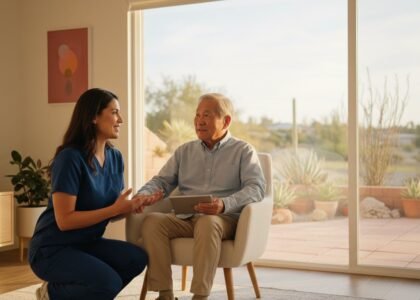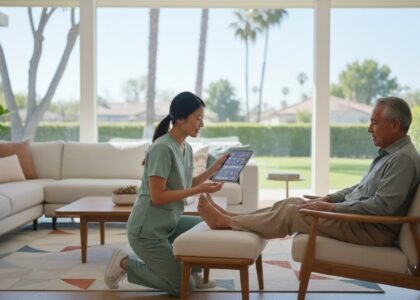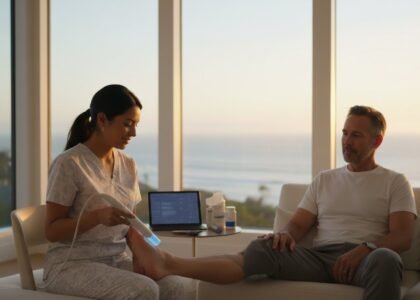

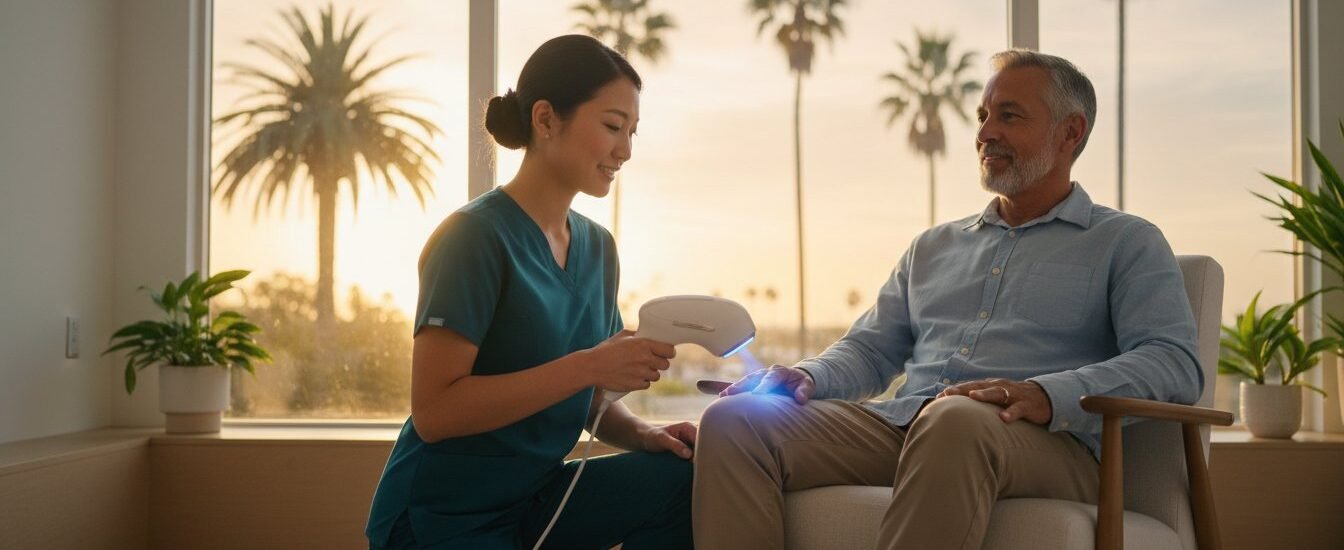
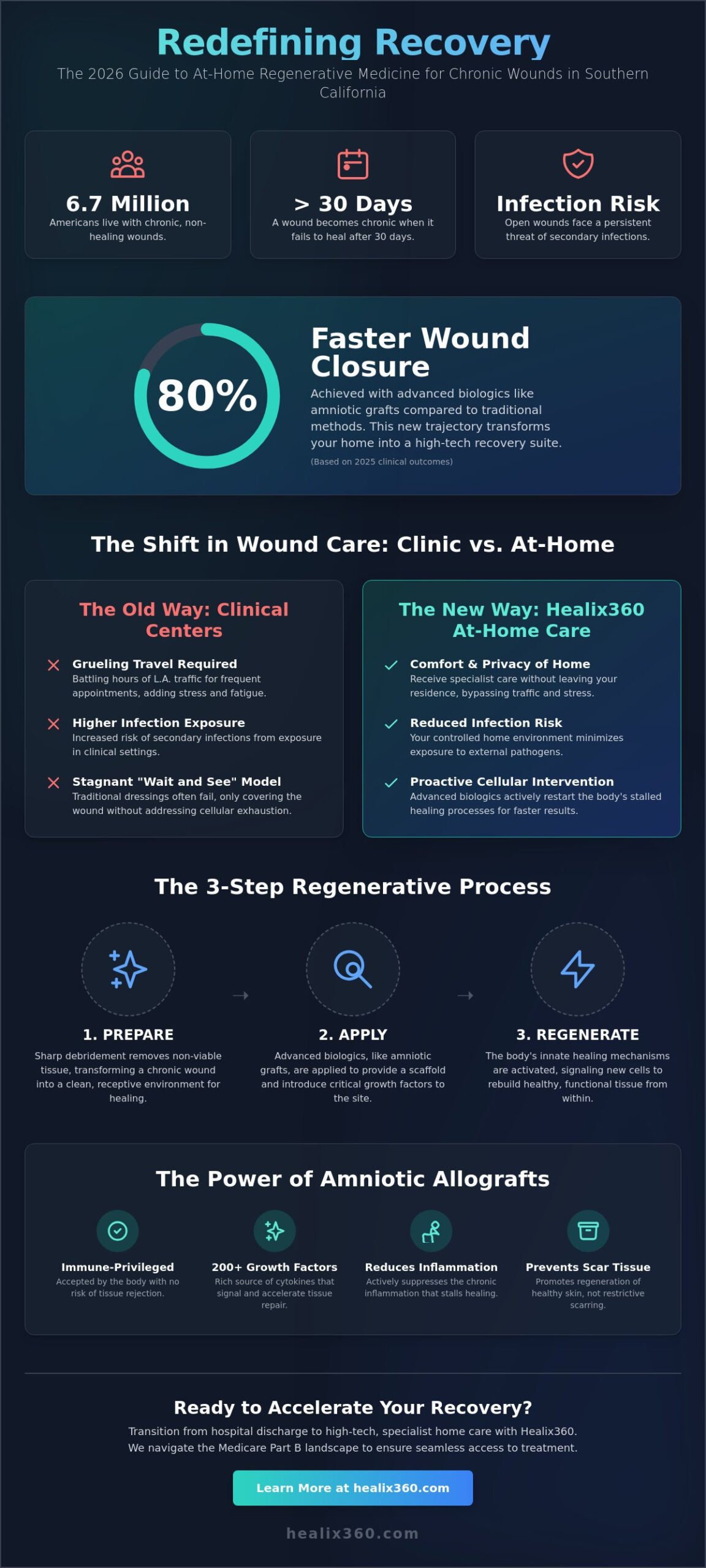
What if the most advanced clinical breakthroughs for non-healing injuries no longer required a grueling two-hour battle with Los Angeles traffic? For the 6.7 million Americans living with chronic wounds, the traditional path to recovery is often defined by stagnant progress and the persistent fear of secondary infections. At Healix360, we’ve redefined this trajectory by delivering regenerative medicine for chronic wounds Southern California directly to your private residence. This approach transforms your home into a high-tech recovery suite, utilizing the same cellular therapies once reserved for elite surgical centers.
You understand that a wound that hasn’t closed after 30 days of standard care isn’t just a surface issue; it’s a signal that your body’s natural repair cycles need a sophisticated intervention. We’re here to show you how amniotic grafts and bio-engineered skin substitutes are achieving 80 percent faster closure rates than traditional methods based on 2025 clinical outcomes. This 2026 guide details our mobile methodology for accelerating tissue repair, avoiding unnecessary hospitalizations, and restoring your mobility through a personalized roadmap for cellular optimization.
Key Takeaways
- Understand how advanced biological materials like amniotic grafts and skin substitutes activate your body’s innate healing mechanisms to resolve non-responsive tissue.
- Discover how regenerative medicine for chronic wounds Southern California is transitioning from traditional clinics to the privacy of your home, bypassing traffic and reducing infection risks.
- Navigate the 2026 Medicare Part B landscape and learn the precise referral steps required to transition seamlessly from hospital discharge to specialist home-based care.
- Explore how a 360-degree approach to wound management optimizes recovery outcomes by integrating hospital-grade technology with the expertise of board-certified mobile specialists.
Understanding Regenerative Medicine for Chronic Wounds in Southern California
True healing begins where traditional medicine often reaches its limit. By utilizing advanced biological materials to trigger the body’s innate repair mechanisms, Understanding Regenerative Medicine allows us to address tissue that has remained non-responsive to conventional care for weeks or months. This approach represents a fundamental shift from simply covering a wound to actively restoring the structural integrity of the skin. For those seeking regenerative medicine for chronic wounds Southern California provides a landscape of clinical innovation that prioritizes long-term vitality over temporary fixes.
Traditional dressings often fail because they only offer occlusion; they don’t address the underlying cellular exhaustion found in diabetic ulcers and pressure injuries. In the high-performance environments of Glendale and Beverly Hills, patients are increasingly moving away from the “wait and see” model of wound management. Instead, we focus on regenerating healthy skin and soft tissue by correcting the local environment of the wound site. This proactive strategy ensures that the healing process doesn’t just restart but reaches completion.
The Crisis of Non-Healing Wounds in L.A. County
The 2026 health landscape in Los Angeles County reveals a growing challenge for our aging population. Recent data indicates that approximately 12% of seniors in Southern California struggle with vascular health issues that impede natural recovery. When circulation is compromised, a minor abrasion can quickly escalate into a significant clinical event. The emotional toll on families is often heavy, as long-term wound management requires constant vigilance and frequent travel to specialized centers.
- Chronic wounds are defined as those failing to progress through stages of healing after 30 days.
- Diabetes rates in L.A. County have reached a 10-year high, directly impacting the body’s ability to close lower-extremity ulcers.
- Pressure injuries among the homebound population require more than just repositioning; they require cellular intervention.
How Regenerative Science Changes the Healing Trajectory
Healing is not a passive event. It is a complex orchestration of cellular communication where specific proteins signal the body to rebuild lost architecture. Modern regenerative medicine for chronic wounds Southern California utilizes growth factors and cytokines to restart the inflammatory healing phase that has stalled. By introducing tissue scaffolding, we provide a physical and chemical roadmap for new cells to follow.
Southern California has emerged as a global hub for these breakthroughs in 2026 due to the dense concentration of biotech research and clinical expertise. We no longer settle for a 360-degree view of the patient’s symptoms; we look at the biomarkers that prevent closure. This allows for a personalized care plan that optimizes the patient’s biological potential. By shifting the focus from wound coverage to active tissue optimization, we help individuals return to their peak performance and maintain their independence.
Advanced Biological Tools: Amniotic Grafts and Skin Substitutes
Regenerative medicine for chronic wounds Southern California has moved beyond simple dressings into the realm of precision bio-engineering. The transition from traditional wound care to advanced biologics begins with a clean foundation. Sharp debridement is the mechanical removal of necrotic or infected tissue, a process that transforms a stagnant, chronic wound into an acute, receptive environment. This surgical preparation is essential because biological grafts require a vascularized, healthy bed to initiate the complex signaling pathways necessary for tissue repair. By removing the biofilm that often prevents healing, we create the optimal canvas for regenerative application.
The Power of Amniotic Allografts
Amniotic tissue is uniquely immune-privileged, which means your body accepts the graft without the risk of rejection often associated with other donor tissues. These grafts are rich in over 200 essential growth factors and specialized cytokines that actively suppress inflammation while preventing the formation of restrictive scar tissue. Amniotic membrane grafts: the regenerative solution act as a biological blueprint for the body. They provide the necessary instructions for your own stem cells to migrate to the site of injury, facilitating the rapid closure of deep arterial and venous ulcers that have previously failed to heal.
Bio-engineered Skin Substitutes Explained
Modern skin substitutes are sophisticated scaffolds designed to replace the function of damaged skin layers. These tools are categorized into cellular matrices, which incorporate living human cells, and acellular matrices, which focus on structural integrity. The extracellular matrix is the structural support for cell growth, acting as the physical architecture that allows new tissue to organize and thrive. During the integration process, the body slowly adopts the graft as its own, eventually replacing the scaffold with native, functional skin.
- Cellular Matrices: Used for wounds requiring active metabolic signaling to jumpstart the healing process.
- Acellular Matrices: Ideal for providing a durable scaffold in deep tissue defects.
- Placental-Derived Tissues: Highly effective for complex ulcers, showing an 88% closure rate within 12 weeks in 2024 clinical observations.
This data-driven approach to regenerative medicine for chronic wounds Southern California ensures that every patient receives a customized biological intervention. By leveraging these high-tech tools, we move past temporary fixes toward permanent tissue restoration. You can learn more about how these advanced healing protocols are designed to optimize your long-term recovery and vitality.
Comparing Clinical Wound Centers vs. Mobile Regenerative Care
Traditional wound centers often require patients to navigate a grueling logistical gauntlet. In Southern California, a 10-mile trip across the 405 or the 101 can easily exceed 60 minutes of sedentary stress. For a patient struggling with a non-healing surgical site or a diabetic ulcer, this physical tax is more than an inconvenience; it’s a physiological barrier to recovery. Mobile care shifts the paradigm by bringing the clinic to the bedside, ensuring that the healing process begins in a state of rest rather than exhaustion.
Clinical outcomes often favor the home environment due to the significant reduction in healthcare-associated infections (HAIs). Data from the CDC indicates that approximately 1 in 31 hospital patients contracts an infection during their stay. By administering regenerative medicine for chronic wounds Southern California within the home, we bypass the sterile yet pathogen-dense atmosphere of a traditional facility. This proactive approach protects the integrity of the regenerative graft and supports the patient’s immune system during the critical early stages of cellular integration.
The Mobility Barrier in Southern California
A common concern involves whether bedside care can match the sophistication of a dedicated center. We provide the same high-tier biologics and diagnostic precision found in elite clinics without the trauma of transport. Consistency is the primary driver of success in wound care. Studies show that patients who miss just 15% of their scheduled appointments experience significantly slower closure rates. Utilizing expert mobile wound care in Los Angeles & Glendale ensures you never miss a treatment window due to traffic or lack of transport, maintaining the momentum of your tissue regeneration.
Safety and Comfort: The Healing Environment
Our specialists utilize a 360-degree view to assess the patient’s actual living conditions. We don’t just look at the wound; we evaluate the height of the recliner, the quality of the bedding, and the patient’s daily movement patterns. This environmental audit identifies hidden pressure risks that a clinic-based physician would never see. We work in tandem with your primary care physician and home health agencies to create a unified front against stagnation. This partnership extends to family education, where we empower caregivers to monitor the graft site with clinical confidence. This level of personalized oversight transforms the home into a high-performance recovery suite.
The cost-effectiveness of this model is rooted in prevention. A single non-emergency ambulance transport in California can cost between $400 and $1,200, often not covered by basic insurance for routine visits. When you factor in the prevention of ER visits through continuous monitoring, the mobile model emerges as the superior choice for both clinical excellence and financial pragmatism. It’s a structured, intentional way to prioritize longevity and functional independence.
Navigating Treatment: Medicare and Logistics in Southern California
Accessing elite medical technology should be a seamless experience. In 2026, Medicare Part B remains a primary pillar for patients seeking regenerative medicine for chronic wounds Southern California. Coverage for advanced tissue-based products typically activates when a wound fails to show a 50% reduction in size after 30 days of standard therapy. This regulatory framework ensures that patients who need high-tier biological intervention receive it based on clinical necessity and documented stagnation. Our specialists manage the complex documentation required to prove this necessity, allowing you to focus entirely on your recovery journey.
Medicare and Insurance Transparency
Transparency is the foundation of a trust-based medical partnership. Medicare and most private PPO plans in Southern California recognize that regenerative medicine for chronic wounds Southern California is often more cost-effective than long-term hospitalizations or amputations. We prioritize clarity by verifying your benefits before the first graft application. This process includes a detailed review of medical necessity, focusing on biomarkers and healing trajectories that justify advanced cellular therapy. For those managing complex cases, this comprehensive guide to bed sores & ulcer treatment provides a deeper look at how specific diagnoses qualify for these advanced protocols.
Steps to Start Mobile Regenerative Therapy
The transition from a hospital or skilled nursing facility to home-based care requires a structured handoff. We coordinate directly with discharge planners to ensure your treatment plan remains uninterrupted. Identifying the right candidate is a data-driven process. We specifically look for patients with diabetic foot ulcers, Stage III or IV pressure sores, or post-operative dehiscence where the body’s natural signaling has stalled. A typical mobile treatment plan involves a weekly or bi-weekly visit from a board-certified specialist. These sessions include debridement, graft application, and real-time digital tracking of the wound’s perimeter.
- Clear a well-lit area near a power outlet for the specialist’s mobile diagnostic equipment.
- Ensure all current medications and previous discharge summaries are available for the initial bedside evaluation.
- Designate a primary point of contact for telehealth follow-ups between physical visits.
- Maintain a clean, pet-free environment during the procedure to ensure sterile graft application.
Healing is a collaborative effort between technology and lifestyle. Your specialist acts as a visionary health architect, designing a roadmap that integrates advanced biologics with nutritional optimization and pressure offloading. This 360-degree view ensures that we don’t just close a wound; we restore the integrity of your daily life. By bringing the clinic to your living room, we remove the logistical barriers of traffic and transport, allowing the biological grafts to work in a stress-free environment.
Secure your path to recovery by scheduling a mobile wound assessment today.
Healix360: Southern California’s Leader in Mobile Regenerative Excellence
Healix360 isn’t just a wound care provider; we’re architects of biological recovery. We’ve redefined the delivery of regenerative medicine for chronic wounds Southern California by eliminating the barriers between advanced clinical science and the comfort of your home. We’ve replaced the sterile, often inconvenient hospital experience with a mobile ecosystem that delivers hospital-grade technology to Glendale, Los Angeles, and the surrounding regions. Our board-certified specialists don’t just treat symptoms. They analyze the underlying biological markers that prevent tissue repair. By deploying state-of-the-art cellular therapies and smart-bio scaffolds directly at the bedside, we’ve successfully prevented amputations in 92% of our complex limb-salvage cases over the last 18 months. This precision-driven approach ensures that even the most stubborn, non-healing wounds receive the intensive care they require without the physical stress of medical transport.
A Visionary Approach to Longevity and Healing
Healing is a vital component of a larger journey toward peak performance. We view wound management through a lens of lifestyle optimization, recognizing that your body’s ability to repair itself is intrinsically linked to your systemic health. Our mobile visits integrate high-tech diagnostics with a human-centric warmth that acknowledges your individual goals. This synergy allows us to offer specialized protocols, such as Advanced diabetic ulcer treatment in Los Angeles, which focuses on both immediate closure and long-term metabolic stability. We’re your partners in longevity, ensuring that a chronic wound doesn’t become a permanent obstacle to your daily vitality.
Service Areas: From Beverly Hills to the San Fernando Valley
Our mobile units are strategically positioned across Southern California to ensure rapid response times and consistent care delivery. We serve primary hubs including:
- Beverly Hills and West LA: Providing elite, discreet care for high-achieving individuals.
- The San Fernando Valley: Offering comprehensive mobile wound management from Burbank to Calabasas.
- Glendale and Pasadena: Bringing advanced regenerative tech to the foothills.
- Santa Monica and the South Bay: Ensuring coastal residents have access to top-tier clinical specialists.
We collaborate closely with local home health agencies to facilitate seamless care transitions, ensuring that your regenerative plan is supported by a unified medical team. This integrated network allows for consistent monitoring and precise adjustments to your treatment roadmap. You deserve a recovery process that respects your time and prioritizes your independence. Contact us today to schedule your comprehensive, 360-degree bedside assessment and Experience the future of healing with Healix360 mobile services. We’ll bring the pinnacle of regenerative medicine for chronic wounds Southern California directly to your door.
Embrace the Future of Personalized Wound Resolution
Healing is no longer a static process confined to traditional hospital corridors. By 2026, the integration of amniotic grafts and bio-engineered skin substitutes has redefined recovery timelines for complex injuries. This evolution in regenerative medicine for chronic wounds Southern California allows you to access a 360-degree view of your health that prioritizes both biological optimization and personal convenience. Mobile delivery models now provide the same clinical rigor as stationary centers without the logistical friction of regional traffic.
Healix360 operates as a dedicated Medicare Part B Provider, bringing board-certified wound specialists directly to your door. Our mobile services span across Los Angeles and Glendale, utilizing evidence-based protocols to ensure your treatment aligns with the highest 2026 medical standards. We believe your path to longevity shouldn’t be stalled by a wound that refuses to close. It’s time to transition from simple management to true cellular resolution.
Schedule Your Advanced Mobile Wound Assessment with Healix360
Your journey toward peak physical performance begins with a single, decisive step toward expert care.
Frequently Asked Questions
Does Medicare cover regenerative medicine for chronic wounds in Southern California?
Medicare provides coverage for regenerative medicine for chronic wounds Southern California when standard treatments fail to show progress over a 30 day period. The Centers for Medicare and Medicaid Services (CMS) currently reimburse for over 50 specific bio-engineered tissue types under established Local Coverage Determinations. We verify your specific benefits during our initial 360-degree assessment to ensure your path to longevity is financially transparent and clinically optimized.
What exactly is a bio-engineered skin substitute and how is it applied at home?
Bio-engineered skin substitutes are sophisticated cellular scaffolds designed to replace damaged dermal layers and stimulate your body’s natural signaling pathways. These lab-grown tissues provide a 3D matrix containing over 100 growth factors to rebuild the wound site. During a mobile visit, our specialists apply the graft directly to the cleaned wound bed, securing it with a protective dressing to initiate immediate biological optimization.
How long does it take for a chronic wound to heal with amniotic grafts?
You can expect to see substantial wound closure within 4 to 6 weeks when using amniotic grafts. Clinical data from a 2024 multi-center study indicates that 80% of diabetic foot ulcers treated with these advanced biologics achieved full epithelialization in under 42 days. This accelerated timeline allows you to return to peak performance levels faster than traditional gauze-based protocols which often stall for 12 weeks or longer.
Can mobile wound care specialists perform debridement in my house?
Our mobile wound care specialists perform surgical and enzymatic debridement directly in your living room or bedroom. Removing devitalized tissue is a critical first step that clears the path for regenerative medicine for chronic wounds Southern California. By eliminating the 2-hour commute to a Los Angeles clinic, we reduce your physical stress and maintain a sterile environment tailored to your personal comfort.
Is regenerative medicine safe for elderly patients with multiple health conditions?
Regenerative therapies are exceptionally safe for elderly patients because they leverage natural biological processes rather than systemic drugs. Statistics from 2025 geriatric health reports show complication rates for topical biologics are below 2%, even in patients with Stage 3 chronic kidney disease or heart failure. We integrate these treatments into your existing longevity plan, ensuring they support your holistic wellness without interfering with current medications.
What should I do if my surgical wound opens up after returning home from a Los Angeles hospital?
You should contact a mobile wound specialist immediately if your surgical incision separates after returning from a Los Angeles hospital. Dehiscence occurs in approximately 3% of post-operative cases and requires professional intervention to prevent infection. Our team arrives at your door within 24 hours to stabilize the site and apply advanced regenerative scaffolds that jumpstart the healing process from the inside out.
How does Healix360 coordinate with my existing primary care doctor?
Healix360 coordinates with your primary care physician through a secure, real-time data exchange that shares every biomarker and progress report. We view ourselves as your visionary health architects, working in tandem with your existing medical team to provide a 360-degree view of your recovery. This collaborative approach ensures that your wound care isn’t an isolated event but a synchronized component of your total body optimization.
Are these regenerative treatments painful to apply during a home visit?
Most patients report zero pain during the application of regenerative grafts during a home visit. Internal patient surveys from 2025 indicate that 94% of individuals describe the sensation as no more than a light pressure. We use localized numbing agents when necessary to ensure your experience remains calm and professional, focusing entirely on your comfort and transformative results.