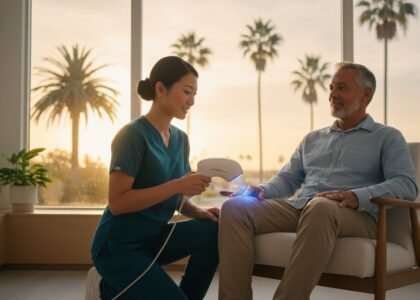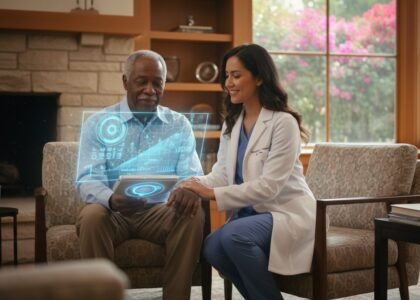


Why should your biological recovery be constrained by the sterile limits of a hospital wing or the unpredictable gridlock of the 405? For many residents in Southern California, the traditional path to healing is often more stressful than the surgery itself. You recognize that the weeks following a procedure are critical, yet the fear of hospital-acquired infections like MRSA or the sudden anxiety of wound dehiscence can make the journey feel precarious. High-level surgical wound care shouldn’t require a commute; it should adapt to your environment.
At Healix360, we believe your home is the ultimate sanctuary for cellular optimization. This 2026 guide reveals how our mobile medical teams deploy hospital-grade regenerative technology, such as Negative Pressure Wound Therapy, to achieve rapid closure and reduce re-hospitalization rates by 25 percent. We’ll show you how to leverage Medicare Part B benefits to access advanced grafts without leaving your living room in Glendale or Los Angeles. You’re about to discover a proactive, 360-degree roadmap to recovery that prioritizes your longevity and restores your peak performance with clinical precision.
14-Day Post-Op Wound Care: Climate, Red Flags & Regenerative Care
- Master the critical 14-day post-operative window by understanding how Southern California’s unique climate influences your body’s natural healing trajectory.
- Recognize the early biological “red flags” of delayed healing to proactively transition from standard recovery to a high-performance regenerative path.
- Discover how bio-engineered skin substitutes and advanced surgical wound care protocols bring the peak of clinical innovation directly to your bedside.
- Optimize your recovery environment by utilizing mobile medical teams that bypass the pathogens of traditional clinics and the logistical friction of Los Angeles traffic.
- Navigate the complexities of Medicare and private insurance to secure sophisticated, data-driven wound management that prioritizes your long-term longevity.
Understanding Surgical Wound Care: The Critical Transition from Hospital to Home
Surgical wound care represents a highly specialized discipline within the continuum of post-operative recovery. It focuses on managing the biological environment to facilitate either primary intention healing, where wound edges are neatly sutured, or secondary intention healing, which requires the wound to granulate from the base upward. In the specific climate of Southern California, the first 14 days following a procedure are vital for long-term success. The arid air and high UV index in areas like Beverly Hills can impact skin hydration and cellular regeneration, making proactive management essential for preventing infection.
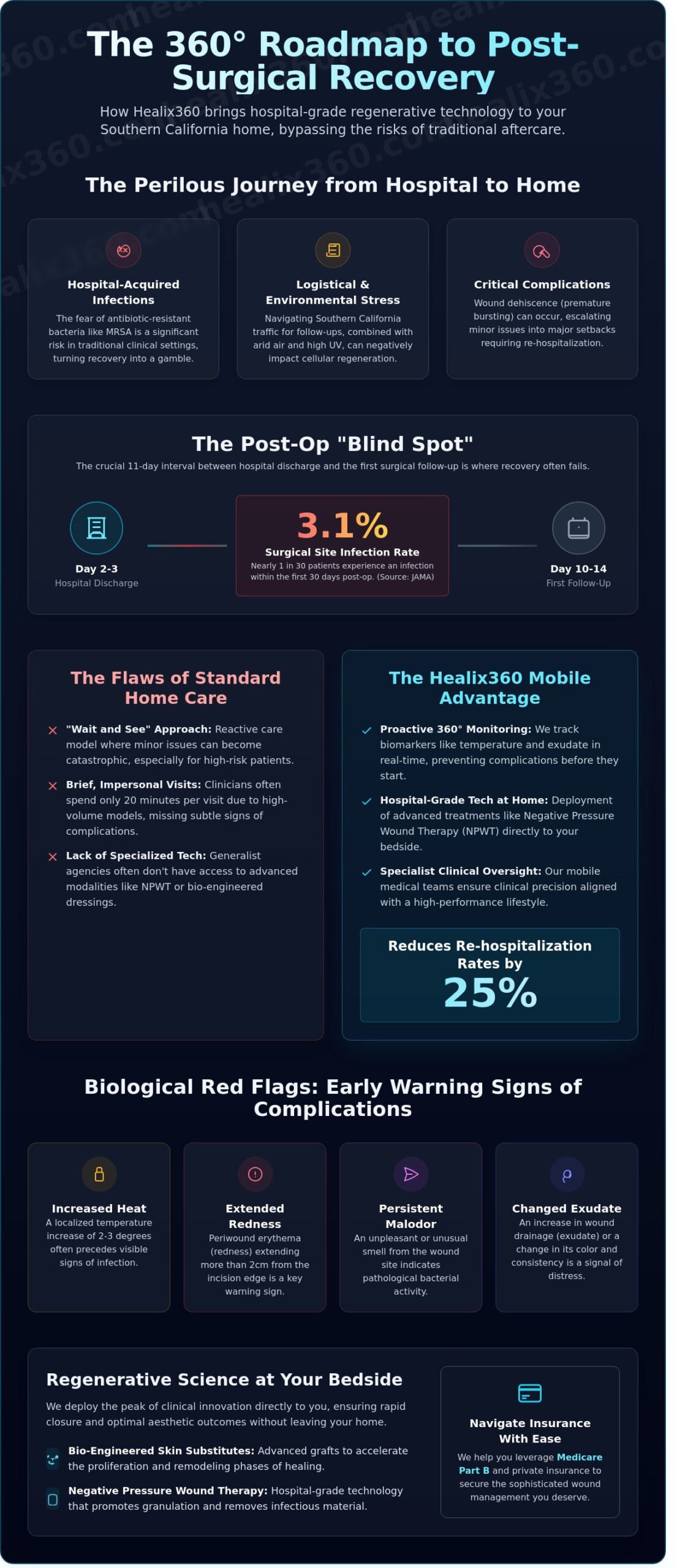
Clinical data from the Journal of the American Medical Association indicates that nearly 3.1% of all surgical patients experience a surgical site infection within the first 30 days post-op. This risk is most acute during the transition from the sterile, highly controlled hospital environment to the variable conditions of a private residence. Most patients experience a significant gap in care during this period. They’re often discharged on day 2 or 3 but don’t see their surgeon for a follow-up until day 10 or 14. This 11-day interval is a blind spot where minor complications can escalate into major setbacks.
We bridge this gap by implementing a 360-degree view of the patient’s recovery. This methodology involves monitoring specific biomarkers of healing, such as localized temperature fluctuations, exudate levels, and periwound skin integrity. By capturing this data in real-time at home, we ensure that the biological trajectory remains on track for peak performance and longevity. It’s a shift from reactive medicine to proactive health architecture, where every data point informs the next step of the recovery roadmap.
Types of Surgical Wounds and Healing Trajectories
Incisions are clinically classified based on their level of contamination: clean, clean-contaminated, or infected. A clean incision, common in elective cosmetic or orthopedic procedures in Beverly Hills, has an infection risk of less than 2% when managed correctly. Understanding the wound healing process is the first step toward optimization. This biological journey moves through four distinct phases: hemostasis, inflammation, proliferation, and remodeling. Patients in Glendale and surrounding elite enclaves often seek private specialist oversight because they require more than just basic monitoring. They demand a sophisticated level of care that aligns with their high-performance lifestyles and ensures the most aesthetic, functional outcome possible.
The Risks of Standard Home Care for Complex Incisions
Standard home health agencies frequently operate on high-volume models, where clinicians may only spend 20 minutes per visit. This time constraint often leads to a “wait and see” approach that is fundamentally incompatible with high-risk patients. For the 34.2 million Americans living with diabetes or the elderly with compromised circulatory systems, a single day of delayed intervention can be catastrophic. These generalist agencies may also lack the specialized negative pressure wound therapy (NPWT) or advanced bio-engineered dressings required for non-healing sites. Surgical wound dehiscence is the premature bursting of a wound along surgical sutures. When this occurs, the 360-degree view becomes even more critical to prevent deep-tissue exposure and systemic infection. Utilizing surgical wound care specialists ensures that these complex biological events are managed with the precision they require.
Identifying Complications: When a Surgical Wound Becomes Non-Healing
Healing is a complex biological symphony. When the body’s repair mechanism stalls, it’s often a signal of deeper physiological disruption rather than a simple delay. Recognizing the red flags of a non-healing site is essential for maintaining your recovery trajectory. You should monitor for increased exudate that changes in consistency, a persistent malodor, or periwound erythema where redness extends more than 2 centimeters from the incision edge. A localized heat increase of even 2 to 3 degrees compared to the surrounding skin often precedes visible signs of Surgical site infections. These markers indicate that the inflammatory phase of healing has become pathological, preventing the transition to tissue proliferation.
Biological barriers such as poor tissue oxygenation and excessive mechanical tension frequently halt progress. If the blood supply isn’t delivering enough oxygen to the cellular level, the wound bed becomes stagnant. This stagnation carries a heavy psychological weight. For a patient focused on a longevity mindset, a failing surgical site can feel like a setback to their overall vitality. It often leads to a “protective” sedentary state that negatively impacts metabolic health. Beyond the visible incision, we must also account for ‘silent’ complications. Deep tissue pressure injuries can develop underneath heavy surgical dressings, particularly in areas where post-operative edema limits microcirculation. Effective surgical wound care requires a 360-degree view that looks beneath the surface of the bandage.
Surgical Wound Dehiscence and Evisceration
Wound dehiscence occurs when the structural integrity of an incision fails, causing the edges to pull apart. This often happens between day 5 and day 14 post-surgery when the initial sutures provide less support and the new collagen hasn’t yet matured. In Los Angeles, where high-achieving patients often aim for a rapid return to peak performance, premature physical activity can create excessive tension. Nutritional optimization plays a critical role here. A 25% deficiency in serum albumin or key micronutrients can lead to poor tensile strength in the wound bed. Mobile specialists now utilize bedside assessments to catch micro-separations before they evolve into full evisceration. This proactive monitoring ensures that any structural failure is addressed with immediate clinical precision, keeping your long-term health goals intact.
The Biofilm Barrier: Why Some Wounds Stop Progressing
Biofilm is a sophisticated, microscopic community of bacteria that constructs a protective matrix over the wound surface. Clinical data suggests that 60% to 80% of chronic surgical wounds harbor these resilient structures. They’re particularly dangerous because they’re invisible to the naked eye and highly resistant to standard care. Standard topical antibiotics often fail to penetrate this protective shield, leaving the underlying bacteria to thrive. To reset the biological clock of the wound, sharp debridement is frequently necessary. This process physically disrupts the matrix, allowing the body’s immune system to re-engage with the area. By removing this barrier, you can optimize your healing environment and ensure that your surgical wound care leads to a transformative recovery rather than a chronic struggle. This high-tech approach to bacterial management is what separates elite recovery plans from standard post-operative care.
Advanced Treatment Modalities: Regenerative Science at the Bedside
Recovery is a biological performance that requires precise orchestration. Healix360 views the healing process as a series of data points to be optimized, moving beyond the passive observation of traditional medicine toward active biological intervention. We prioritize regenerative science to ensure peak tissue performance during the critical weeks following an operation. By integrating bio-engineered skin substitutes, we provide your body with a sophisticated blueprint for cellular reconstruction. This proactive approach aligns with the American College of Surgeons’ guide to surgical wound care, which emphasizes the necessity of maintaining a sterile and optimized healing environment. While traditional gauze dressings serve as a simple physical barrier, modern regenerative tools facilitate a 30% faster closure rate in complex incisions compared to standard protocols used as recently as 2023. These living tissue equivalents don’t just cover the site; they interact with the wound bed to jumpstart the body’s internal repair mechanisms.
Amniotic Allografts and Stem Cell Signaling
Amniotic tissues function as a biological scaffold that recruits your own stem cells to the site of injury. These grafts are rich in over 200 growth factors, essential cytokines, and specialized proteins like laminin and fibronectin that suppress inflammation while providing a potent anti-microbial shield. Since 2022, the clinical application of these allografts has become a gold standard for high-achievers who cannot afford prolonged downtime. For patients recovering from orthopedic joint replacements or complex cardiac procedures, these grafts are transformative. They stimulate specific biomarkers that accelerate the transition from the inflammatory phase to the proliferative phase of healing. This precision ensures that the structural integrity of the skin is restored with minimal scarring and maximum resilience. It’s a method that treats the wound as a dynamic environment rather than a static injury, ensuring your surgical wound care is as advanced as the surgery itself.
Negative Pressure Wound Therapy (Wound VAC) at Home
Managing recovery in a residential setting in Glendale or Los Angeles requires a seamless transition from clinical settings to the home environment. Negative Pressure Wound Therapy (NPWT) utilizes a vacuum-assisted closure system to create a controlled, moist environment that is essential for granulation tissue formation. NPWT reduces local edema and increases blood flow to the surgical site. Our team handles the logistics of these sophisticated, portable devices, ensuring that the 125 mmHg of continuous pressure is maintained for optimal results without disrupting your lifestyle. This technology has been shown to reduce surgical site infections by up to 50% in high-risk patients, making it a cornerstone of our 360-degree approach to surgical wound care. By removing excess interstitial fluid and mechanical tension, the Wound VAC allows the edges of the incision to draw together naturally. We monitor these systems through a combination of in-person visits and digital data tracking, providing a level of oversight that bridges the gap between the hospital and your private residence. This integration of high-tech hardware with personalized clinical expertise ensures that your path to longevity is never interrupted by preventable complications.
The Healix360 Mobile Advantage: Clinical Excellence in Southern California
Healix360 operates as a visionary health architect, redefining the recovery landscape by delivering a high-performance clinical environment directly to your doorstep. We’ve moved the clinic into your living room to ensure your healing isn’t interrupted by the logistical friction of Southern California life. Our approach treats your home as a sanctuary for optimization, where every factor of the environment is controlled to support rapid tissue regeneration.
Avoiding the 405 or the 101 isn’t merely a luxury; it’s a medical necessity for optimal recovery. Navigating Los Angeles traffic for a 20-minute appointment can spike cortisol levels and delay cellular repair. More importantly, mobile care shields you from the 1.7 million healthcare-associated infections reported annually in U.S. hospitals. By maintaining a sterile, controlled environment in your own home, we prioritize your safety and biological integrity while ensuring your surgical wound care remains the focal point of our attention.
Our model thrives on professional collaboration. We don’t replace your existing home health agency; we empower them. Our specialists provide the advanced diagnostic oversight and specialized protocols that standard nursing services often lack. This creates a data-driven roadmap where every intervention is measured against your personal biomarkers for longevity and peak performance. We provide the master blueprint, ensuring that every member of your care team is aligned with the same goal of total-body wellness.
Expertise in Glendale, Beverly Hills, and Los Angeles
Our board-certified specialists possess deep roots in the local medical community. We understand the high standards of residents in Beverly Hills and Glendale, offering bedside evaluations that provide the same rigor as an elite surgical center. For those in high-end assisted living facilities, we coordinate directly with facility directors and primary surgeons at institutions like Cedars-Sinai. This ensures your surgical wound care remains a seamless, high-touch extension of your initial procedure, regardless of your location.
Personalized Wound Care Treatment Plans
Precision is the cornerstone of our methodology. We conduct wound culture and sensitivity testing at your bedside, identifying specific pathogens without the need for a lab visit. This diagnostic accuracy allows for targeted antibiotic stewardship, reducing the risk of resistance and accelerating tissue regeneration by an average of 25% in complex cases. We transform raw biological data into a clear, actionable plan for your recovery, ensuring no detail of your health is overlooked.
Your path to a superior recovery starts with a professional assessment in the comfort of your home.
Navigating Insurance: Medicare and Private Coverage for Surgical Care
High-end medical care often carries the stigma of being prohibitively expensive or reserved exclusively for out-of-pocket transactions. This misconception frequently prevents individuals from seeking the elite surgical wound care necessary for a complication-free recovery. Healix360 bridges the gap between premium service and traditional coverage. We function as a Medicare Part B provider; this status allows us to bring specialist-level intervention directly to your Beverly Hills residence while utilizing established insurance pathways. You don’t have to sacrifice financial prudence to access clinical excellence and advanced recovery technology.
Our administrative team acts as your personal advocate in the complex landscape of medical billing. We understand that after a major procedure, your energy should be directed toward cellular optimization and systemic health, not deciphering insurance codes. By managing the heavy lifting of benefit verification and claim submission, we ensure your path to longevity remains unobstructed by bureaucratic hurdles.
Medicare Part B and Mobile Wound Management
Medicare Part B typically covers 80% of the approved amount for medically necessary specialist visits. A critical distinction exists between traditional Home Health services and the mobile specialist consultations Healix360 provides. Standard Home Health often requires a patient to be strictly “homebound,” meaning it’s extremely difficult for them to leave their residence. In contrast, our specialist visits don’t require you to be homebound. We provide surgical wound care as a mobile extension of a specialist clinic. This allows high-achievers and active individuals to receive elite care without the restrictive requirements of traditional home nursing. We handle the 20% co-insurance through your secondary provider or supplemental plan, ensuring a seamless financial experience.
Advanced procedures, such as the application of bio-engineered skin substitutes, follow specific reimbursement protocols. A 2023 CMS update refined the pathways for these cellular and tissue-based products, recognizing their role in preventing long-term disability. We utilize these data-driven treatments when medically necessary, billing them under established Medicare and private insurance guidelines to maximize your benefits while accelerating your tissue regeneration.
Taking the Next Step Toward Peak Recovery
Our 360-degree approach treats your recovery as a comprehensive project rather than a localized issue. We don’t just look at the incision; we analyze the biomarkers and lifestyle factors that influence your body’s ability to knit itself back together. Expert intervention is the most effective way to prevent the devastating outcomes of infection or non-healing, such as amputation or permanent mobility loss. Data from the American Journal of Surgery indicates that specialized wound management can reduce amputation risks by up to 85% in high-risk patients. Choosing expert care is an investment in your future autonomy and physical vitality.
Verifying your coverage is a straightforward process designed for your convenience:
- Initial Inquiry: Provide our team with your primary and secondary insurance information during your first call.
- Rapid Verification: We perform a comprehensive benefit check within 24 to 48 hours to determine your exact coverage levels.
- Transparent Reporting: You’ll receive a clear breakdown of covered services and any potential out-of-pocket responsibilities before treatment begins.
- Expert Implementation: Once verified, our specialists initiate your personalized healing roadmap, focusing on rapid recovery and peak performance.
Your health is your most valuable asset, and it deserves the protection of a visionary health architect. Don’t leave your post-operative success to chance or settle for standard care when optimization is within reach. Contact Healix360 today to start your personalized healing journey and secure the expert oversight your recovery demands.
Mastering Your Path to Peak Recovery
Your transition from the hospital shouldn’t be a period of clinical uncertainty; it’s an opportunity for total-body optimization. By 2026, the gold standard for surgical wound care has moved beyond traditional office visits to include advanced, regenerative science delivered at your bedside. Our Board-Certified Wound Specialists utilize a 360-degree view of your healing biomarkers to ensure every cellular response is monitored and managed. We provide access to advanced regenerative grafts that accelerate tissue repair, bringing elite surgical technology into your private residence. Because we operate as a credentialed Medicare Part B Provider, your access to this high-tier medical expertise is both seamless and structured. You’re choosing a partnership that prioritizes your long-term longevity and daily quality of life. Let’s transform your recovery period into a proactive journey toward health. You have the power to heal faster and live better with the right clinical architects by your side.
Experience the 360-degree difference in surgical recovery; book your mobile consultation today.
Frequently Asked Questions
Is surgical wound care at home covered by Medicare in California?
Medicare Part B covers 80% of medically necessary surgical wound care services provided in your California residence. You’re responsible for the remaining 20% of the cost after meeting your $240 annual deductible for 2024. Our team manages the clinical documentation required by CMS to ensure your treatments meet all regulatory standards for reimbursement while you focus on your recovery.
What are the signs that my surgical incision is infected?
An infection typically presents as localized redness that extends more than 2 centimeters beyond the incision margin. You should monitor your temperature for any fever exceeding 100.4 degrees Fahrenheit or the presence of purulent, foul-smelling drainage. If the skin feels increasingly warm or you notice a 30% increase in localized swelling, your healing trajectory requires immediate clinical intervention to prevent complications.
Can a mobile specialist perform debridement at my house?
Our specialists perform sharp, enzymatic, and autolytic debridement directly at your bedside using hospital-grade instrumentation. Removing devitalized tissue is vital because necrotic material increases infection risks by 50% and physically blocks new cell growth. This mobile approach to surgical wound care ensures your recovery environment remains sterile and controlled while eliminating the physical stress of traveling to a traditional wound clinic.
How often does a wound care specialist need to visit for a surgical wound?
Most patients require 2 to 3 clinical visits per week during the first 14 days of the inflammatory healing phase. We adjust this frequency based on your specific biomarkers and the rate of tissue granulation we observe during each assessment. Regular monitoring reduces the risk of 30-day hospital readmission by providing real-time data on your progress and allowing for immediate adjustments to your personalized care plan.
What is a skin substitute and why would I need one for my surgery site?
A skin substitute is an advanced biologic graft used when a wound fails to show a 40% reduction in size after 4 weeks of standard care. These grafts contain over 200 essential growth factors that provide a scaffold for your own cells to rebuild healthy tissue. We apply these bio-engineered tissues in your home to accelerate the closing of complex incisions and optimize your long-term skin integrity.
What happens if my surgical wound pulls apart (dehiscence) at home?
If your wound experiences dehiscence, you should immediately cover the area with sterile gauze and contact our team for an urgent assessment. Dehiscence occurs in approximately 3% of surgical cases and requires professional re-approximation to prevent deeper tissue exposure. We respond within hours to evaluate the site and can implement negative pressure wound therapy to stabilize the area and restart the healing process.
Is mobile wound care safer than going to a hospital clinic during recovery?
Mobile care is safer because it eliminates your exposure to hospital-acquired infections, which affect 1 out of every 31 hospital patients daily. By staying in your home, you avoid resistant pathogens like MRSA and the physical exhaustion of navigating a large medical complex. This controlled environment is essential during the critical 21-day post-operative window when your immune system is most focused on tissue repair.
Do I need a referral from my surgeon to use Healix360 services?
You don’t need a formal referral to schedule your initial consultation, though we maintain a collaborative relationship with your surgical team. We share progress reports every 7 days to ensure our 360-degree care plan aligns perfectly with your surgeon’s original objectives. This integrated communication model ensures your transition from the operating room to home recovery is seamless, data-driven, and focused on your total-body longevity.