

Diabetic Foot Ulcer Treatment at Home: Mobile Wound Care Services for Effective Chronic Wound Management
Diabetic foot ulcers are a significant concern for individuals with diabetes, often leading to severe complications if not managed properly. This article explores effective home treatment options for diabetic foot ulcers, emphasizing the role of mobile wound care services. Readers will learn about the causes, symptoms, and best practices for managing these ulcers at home, as well as the benefits of utilizing specialized mobile wound care solutions. By addressing the challenges of diabetic foot ulcers, we aim to provide practical solutions that enhance healing outcomes and improve the quality of life for patients. The following sections will cover the effectiveness of mobile wound care, types of services available, best practices for implementation, and more.
Effectiveness in Chronic Wound Management
Mobile wound care services have proven to be effective in managing chronic wounds, including diabetic foot ulcers. These services offer several advantages, such as improved healing rates, reduced readmission rates, and increased patient satisfaction. By providing personalized care in the comfort of the patient’s home, mobile wound care addresses the unique needs of individuals with chronic wounds. This approach not only enhances the healing process but also fosters a supportive environment for patients, leading to better overall outcomes.
Types of Services Available
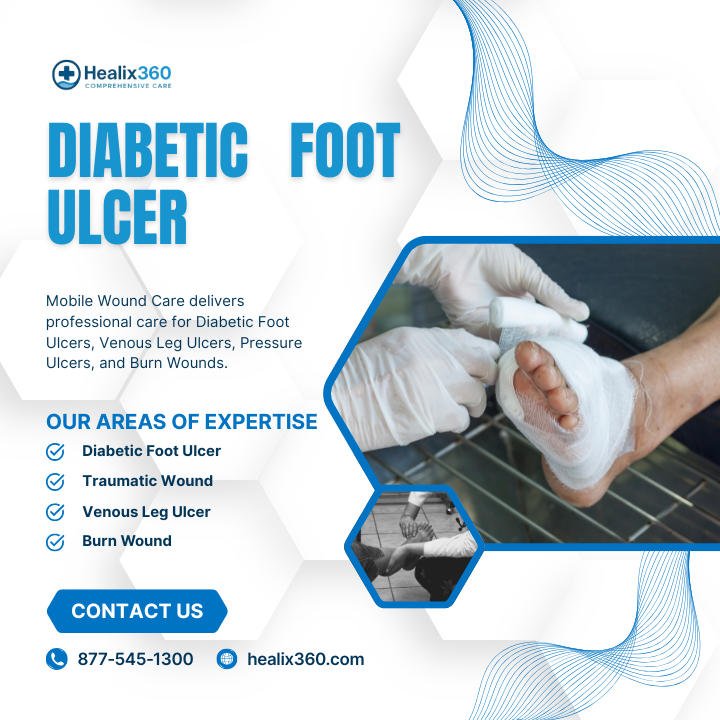
Mobile wound care encompasses a variety of services tailored to meet the needs of patients with diabetic foot ulcers. These services include:
- Assessment and Monitoring: Regular evaluations of the wound’s condition to track healing progress and make necessary adjustments to the treatment plan.
- Advanced Dressings and Therapies: Utilization of specialized dressings and therapies that promote healing and protect the wound from infection.
- Patient Education: Providing patients and caregivers with essential information on wound care practices, including how to manage their condition effectively at home.
Healix 360 is a specialized provider of mobile wound care solutions focusing on delivering diabetic foot ulcer treatment at home and private residences. Their services ensure that patients receive comprehensive care tailored to their specific needs.
Best Practices for Implementation
Implementing mobile wound care services effectively requires adherence to best practices that enhance patient outcomes. Key practices include:
- Initial Consultation and Assessment: Conducting a thorough evaluation of the patient’s condition to develop a personalized treatment plan.
- Regular Follow-Up Visits: Scheduling consistent visits to monitor the wound’s progress and adjust treatment as necessary.
- Patient and Caregiver Education: Equipping patients and their families with the knowledge and skills needed to manage wound care at home.
These practices ensure that patients receive the highest quality of care, leading to improved healing outcomes.
What Are Diabetic Foot Ulcers and How Are They Treated at Home?
Diabetic foot ulcers are open sores or wounds that occur on the feet of individuals with diabetes, often resulting from a combination of factors such as neuropathy, poor circulation, and minor injuries. Effective home treatment is crucial for preventing complications and promoting healing.
Causes:
The primary causes of diabetic foot ulcers include:
- Nerve Damage: Neuropathy can lead to a loss of sensation in the feet, making it difficult for individuals to detect injuries.
- Poor Circulation: Reduced blood flow can hinder the healing process and increase the risk of infection.
- Minor Injuries: Small cuts or blisters can develop into serious ulcers if not properly managed.
Symptoms:
Common symptoms of diabetic foot ulcers include:
- Open Sores: Visible wounds on the foot that may be accompanied by redness and swelling.
- Persistent Drainage: Oozing from the ulcer, which can indicate infection.
- Increased Pain: Discomfort or pain in the affected area, signaling a need for medical attention.
Effective Home Care Methods:
To manage diabetic foot ulcers at home effectively, individuals should follow these methods:
- Gentle Cleaning: Clean the wound daily with mild soap and water to prevent infection.
- Dressing Application: Apply appropriate dressings to protect the ulcer and promote healing.
- Monitoring for Infection: Regularly check for signs of infection, such as increased redness, swelling, or drainage.
Recommended Mobile Wound Care Solutions:
Mobile wound care solutions provide essential services for managing diabetic foot ulcers, including:
- In-Home Visits: Healthcare professionals visit patients at home to assess and treat wounds.
- Wound Assessment: Comprehensive evaluations to determine the best course of treatment.
- Patient Education: Teaching patients how to care for their wounds effectively.
Understanding Diabetic Foot Ulcer Pathophysiology and Risks
Diabetic foot ulcers result from a complex interplay of factors, including neuropathy and poor circulation. Neuropathy can lead to a loss of protective sensation, making individuals more susceptible to injuries. Additionally, poor circulation can impede the healing process, increasing the risk of complications. Understanding these underlying mechanisms is crucial for effective management and prevention of diabetic foot ulcers.
Benefits of Home-Based Wound Care for Diabetic Foot Ulcers
Home-based wound care offers several benefits for individuals with diabetic foot ulcers, including:
- Cost-Effectiveness: Reducing the need for hospital visits can lower healthcare costs for patients.
- Convenience: Patients receive care in the comfort of their homes, making it easier to adhere to treatment plans.
- Improved Patient Outcomes: Personalized care and education lead to better management of diabetic foot ulcers.
Research further supports the economic advantages and positive patient outcomes associated with home-based care for diabetic foot ulcers.
Cost-Effectiveness of Home Care for Diabetic Foot Ulcers
Providing health care to patients at home could be causing the mortality and readmission rates reduction in addition to satisfaction of both patients and health care providers increase. The aim of this study was to assess the cost-effectiveness of home care service compared to hospital based care in patients with diabetic foot ulcer.
Comparison home care service versus hospital-based care in patients with diabetic foot ulcer: an economic evaluation study, M Sanjari, 2020
How Do Mobile Wound Care Nurse Visits Facilitate Home Diabetic Wound Management?
Mobile wound care nurse visits play a vital role in managing diabetic wounds at home. These visits provide:
- Convenience and Accessibility: Patients can receive care without the need to travel, which is especially beneficial for those with mobility issues.
- Personalized Care: Nurses can tailor treatment plans to meet the specific needs of each patient.
- Continuous Monitoring: Regular visits ensure that any changes in the wound’s condition are promptly addressed.
Role and Expertise of Wound Care Nurses in Mobile Services
Wound care nurses are essential in mobile wound care services, providing expertise in assessment and treatment planning. Their roles include:
- Assessment and Treatment Planning: Evaluating the wound and developing a comprehensive care plan.
- Direct Care: Administering treatments and changing dressings as needed.
- Patient Education: Teaching patients and caregivers about proper wound care techniques.
Scheduling and Referral Processes for Mobile Wound Care Visits
The scheduling and referral processes for mobile wound care visits are crucial for ensuring timely care. Key components include:
- Initial Consultation: A thorough assessment to determine the patient’s needs and develop a care plan.
- Follow-Up Visits: Regularly scheduled appointments to monitor progress and adjust treatment as necessary.
- Coordination with Healthcare Providers: Collaborating with other healthcare professionals to ensure comprehensive care.
What Advanced Wound Dressing Technologies Are Used in Home Foot Ulcer Treatment?
Advanced wound dressing technologies play a significant role in the treatment of diabetic foot ulcers. These technologies include:
- Biologic Dressings: Utilizing natural materials to promote healing and reduce infection risk.
- Hydrocolloid Dressings: Providing a moist environment that supports healing while protecting the wound.
- Negative Pressure Wound Therapy: Using suction to promote blood flow and accelerate healing.
Types of Advanced Dressings for Chronic Wound Healing
Several types of advanced dressings are available for chronic wound healing, including:
- Hyaluronic Acid Dressings: Promoting moisture retention and tissue regeneration.
- Honey Dressings: Utilizing the natural antibacterial properties of honey to prevent infection.
- Foam Dressings: Offering cushioning and protection while managing exudate.
Protocols for Dressing Application and Monitoring at Home
Proper protocols for dressing application and monitoring are essential for effective home care. Key steps include:
- Regular Assessment: Checking the wound daily for signs of infection or changes in condition.
- Debridement: Removing dead tissue to promote healing.
- Dressing Changes: Following a schedule for changing dressings to maintain a clean environment.
How Is Infection Prevention Managed in Home-Based Diabetic Foot Ulcer Care?

Infection prevention is a critical aspect of home-based diabetic foot ulcer care. Strategies include:
- Regular Dressing Changes: Ensuring that dressings are changed frequently to prevent infection.
- Moisture Management: Keeping the wound environment balanced to promote healing while preventing excess moisture.
- Patient Education: Teaching patients about hygiene practices and signs of infection to watch for.
Identifying Signs of Infection in Diabetic Foot Ulcers
Recognizing the signs of infection is vital for timely intervention. Key indicators include:
- Increasing Pain: A sudden increase in pain can signal an infection.
- Foul Odor: Unpleasant smells may indicate bacterial growth.
- Increased Drainage: Excessive drainage from the wound can be a sign of infection.
Preventative Measures and Patient Education for Infection Control
Preventative measures are essential for controlling infection in diabetic foot ulcers. Important strategies include:
- Daily Foot Inspections: Checking feet regularly for any signs of injury or infection.
- Proper Footwear: Wearing appropriate shoes to protect the feet from injury.
- Hygiene Practices: Maintaining good foot hygiene to reduce the risk of infection.
What Are the Benefits of Provider Partnerships and Patient Referrals in Mobile Wound Care?
Provider partnerships and patient referrals enhance the effectiveness of mobile wound care services. Benefits include:
- Improved Patient Outcomes: Collaborative care leads to better management of diabetic foot ulcers.
- Enhanced Communication: Streamlined communication between providers ensures comprehensive care.
- Streamlined Care Processes: Efficient referral processes facilitate timely access to necessary services.
Enhancing Access Through Healthcare Provider Collaborations
Collaborations between healthcare providers enhance access to mobile wound care services. These partnerships can lead to:
- Improved Access to Care: Patients benefit from a network of providers working together to meet their needs.
- Comprehensive Care Models: Integrated care approaches ensure that all aspects of a patient’s health are addressed.
- Cost-Effectiveness: Collaborative efforts can reduce overall healthcare costs for patients.
Streamlining Patient Referral and Appointment Scheduling
Efficient patient referral and appointment scheduling are crucial for effective mobile wound care. Key strategies include:
- Initial Consultation: Conducting thorough assessments to determine the best course of action.
- Flexible Scheduling: Offering various appointment times to accommodate patient needs.
- Clear Communication Channels: Ensuring that patients and providers can easily communicate regarding care.
How Do Mobile Wound Care Solutions Impact Healing Outcomes and Healthcare Costs?
Mobile wound care solutions significantly impact healing outcomes and healthcare costs. Benefits include:
- Faster Recovery: Patients often experience quicker healing times due to personalized care.
- Cost-Effectiveness: Reducing the need for hospital visits can lower overall healthcare expenses.
- Patient Satisfaction: The convenience of receiving care at home enhances patient satisfaction and adherence to treatment plans.
Diabetic foot ulcers are a serious health concern, but with the right approach, effective management is possible. For more information on comprehensive wound care, visit Healix360.
To manage diabetic foot ulcers at home effectively, individuals should follow these methods:
- Gentle Cleaning: Clean the wound daily with mild soap and water to prevent infection.
- Dressing Application: Apply appropriate dressings to protect the ulcer and promote healing.
- Monitoring for Infection: Regularly check for signs of infection, such as increased redness, swelling, or drainage.
If you are seeking specialized diabetic foot ulcer treatment at home, consider the benefits of mobile wound care services. These services bring expert care directly to your doorstep, ensuring you receive the attention and treatment you need without the added stress of travel.
For those interested in learning more or scheduling a consultation, please contact us today. Our team is ready to assist you with your wound care needs and provide the support you deserve.
Understanding the underlying causes and implementing effective home care methods are essential for managing diabetic foot ulcers. To explore various wound care conditions and treatment options, it’s important to consult with healthcare professionals and stay informed about the latest advancements in wound management.