
Wound Care Exercise Guidelines: Balancing Mobility and Wound Healing for Optimal Recovery
Effective wound healing is a complex process that requires a careful balance between mobility and rest. Understanding how to navigate this balance can significantly impact recovery outcomes. This article explores the intricate relationship between mobility and wound healing, providing guidelines for safe physical activity during different healing phases. Readers will learn about the key phases of wound healing, safe mobility practices, and how physical activity can enhance rehabilitation outcomes. Additionally, we will discuss nutritional factors that support recovery and the importance of collaboration between patients and healthcare providers. By the end of this article, you will have a comprehensive understanding of how to optimize recovery through balanced activity during wound healing.
What Are the Key Phases of Wound Healing and Their Impact on Mobility?
Wound healing occurs in several distinct phases, each with specific characteristics that influence mobility. The primary phases include hemostasis, inflammation, proliferation, and remodeling. Understanding these phases is crucial for determining safe activity levels during recovery.
The hemostasis phase involves the immediate response to injury, where the body works to stop bleeding. During this time, mobility should be limited to prevent further injury. The inflammation phase follows, characterized by redness and swelling, where gentle movement can help maintain circulation without exacerbating pain. The proliferation phase sees the formation of new tissue, allowing for increased mobility as the wound begins to heal. Finally, the remodeling phase focuses on strengthening the new tissue, where a gradual return to normal activity is encouraged to enhance recovery.
Understanding Wound Healing Stages and Activity Recommendations
Each phase of wound healing presents unique opportunities and limitations regarding physical activity. During the hemostasis phase, it is essential to avoid any movement that could disrupt the clotting process. In the inflammation phase, light activities such as gentle range-of-motion exercises can promote blood flow without stressing the wound.
As the wound enters the proliferation phase, patients can gradually increase their activity levels, incorporating strengthening exercises tailored to their specific needs. Finally, during the remodeling phase, a more robust exercise regimen can be introduced, focusing on functional movements that support overall mobility and strength.
How Do Healing Phases Influence Safe Physical Activity Levels?
The characteristics of each healing phase dictate the types of physical activities that are safe and beneficial. For instance, during the hemostasis phase, any form of exercise should be avoided to prevent complications. In contrast, the inflammation phase allows for gentle movements that can aid in reducing swelling and promoting circulation.
As healing progresses into the proliferation phase, patients can engage in more active rehabilitation, including low-impact exercises that encourage tissue regeneration. By the time the remodeling phase is reached, patients should be able to participate in more vigorous activities, which can help restore full function and strength.
At this point, it is crucial for patients to communicate with their healthcare providers to ensure that their activity levels align with their healing progress. Healix 360 emphasizes a multidisciplinary approach to wound care, ensuring that patients receive tailored recommendations that consider their unique healing journey.
What Are Safe Mobility Practices During Wound Healing?
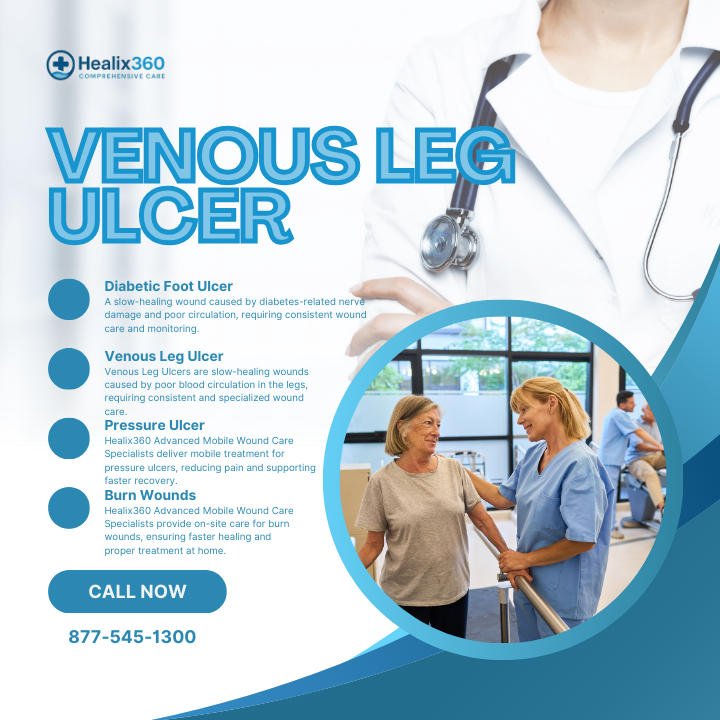
Safe mobility practices are essential for promoting optimal recovery while minimizing the risk of complications. Patients should be educated on the importance of listening to their bodies and recognizing signs of overexertion.
Recommended Exercise Guidelines for Different Wound Types
Different types of wounds may require specific exercise guidelines. For example, patients with surgical wounds may need to avoid high-impact activities until fully healed, while those with pressure ulcers can benefit from gentle stretching and mobility exercises.
Indeed, comprehensive strategies for mobility management are crucial in preventing pressure injuries, especially for individuals with impaired mobility.
Preventing Pressure Injuries with Mobility Management
Pressure injuries, also known as decubitus ulcers or bedsores, are a major source of preventable morbidity among individuals with impaired mobility, particularly those recovering from spinal cord injury, stroke, or traumatic brain injury. These wounds not only prolong hospital stays and increase healthcare costs but also significantly impair rehabilitation outcomes and quality of life. This paper provides a comprehensive review of the pathophysiology and risk factors underlying pressure injury development, emphasizing the unique vulnerabilities of patients with sensory loss, malnutrition, obesity, and incontinence. It synthesizes current best practices in prevention, including repositioning schedules, the use of pressure-redistributing support surfaces, moisture control, and nutritional optimization.
Preventing pressure injuries in individuals with impaired mobility: Best practices and future directions, 2025
- Surgical Wounds: Focus on gentle range-of-motion exercises to maintain flexibility without stressing the incision site.
- Pressure Ulcers: Incorporate light stretching and repositioning to promote circulation and prevent further skin breakdown.
- Traumatic Wounds: Gradually introduce strengthening exercises as healing progresses, ensuring that movements do not cause pain.
How to Balance Activity and Rest to Prevent Complications
Balancing activity and rest is crucial during the recovery process. Patients should establish a routine that includes scheduled rest periods to allow the body to heal. Monitoring pain levels and fatigue is essential to avoid overexertion, which can lead to setbacks in recovery.
Incorporating education on the importance of rest and activity balance can empower patients to take an active role in their healing process. This approach not only enhances recovery but also fosters a sense of autonomy and confidence in managing their health.
How Does Physical Activity Affect Rehabilitation and Wound Recovery Outcomes?
Physical activity plays a vital role in enhancing rehabilitation and improving wound recovery outcomes. Engaging in appropriate exercises can lead to better circulation, reduced inflammation, and improved overall health.
Role of Physical Therapy in Enhancing Wound Healing
Physical therapy can significantly enhance wound healing by providing tailored exercise programs that align with the patient’s recovery goals. Therapists can assess individual needs and develop strategies that promote safe mobility while addressing any limitations.
Evidence-Based Benefits of Moderate Mobility on Healing Rates and Infection Reduction
Research indicates that moderate mobility can improve healing rates and reduce the risk of infection. Engaging in light to moderate physical activity stimulates blood flow, which is essential for delivering nutrients and oxygen to the healing tissue. This increased circulation can also help flush out toxins and reduce the risk of complications.
What Nutritional and Lifestyle Factors Support Mobility and Wound Healing?
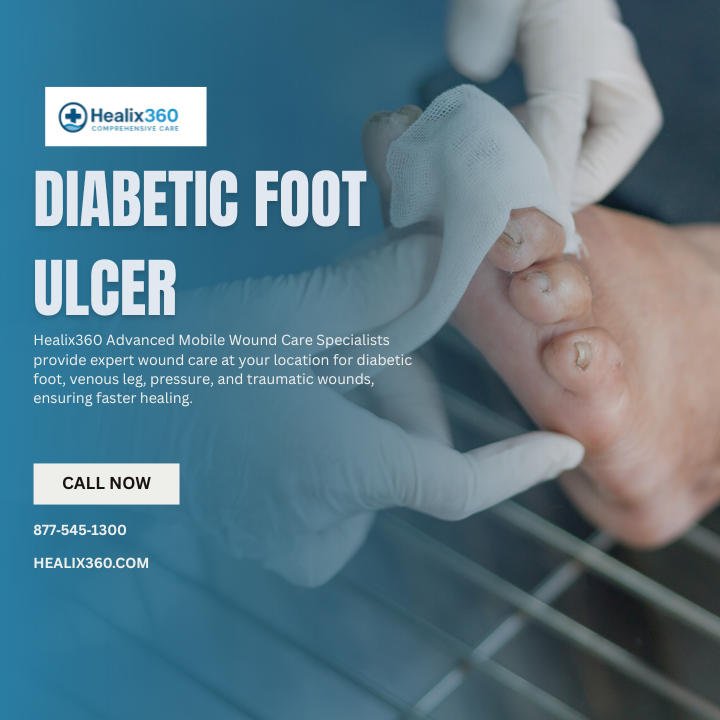
Nutrition and lifestyle choices play a critical role in supporting mobility and wound healing. A well-balanced diet rich in essential nutrients can enhance recovery and promote overall health.
Integrating Nutrition with Physical Activity for Optimal Recovery
Combining proper nutrition with physical activity can optimize recovery outcomes. Patients should focus on consuming a diet high in protein, vitamins, and minerals to support tissue repair and immune function.
- Protein: Essential for tissue regeneration and repair.
- Vitamins A and C: Important for collagen synthesis and immune support.
- Zinc: Plays a crucial role in wound healing and immune function.
Patient-centered care approaches are vital for ensuring that individuals receive the support they need during their recovery. This includes educating patients about the importance of nutrition and physical activity in the healing process.
Healthcare providers should work collaboratively with patients to develop individualized care plans that address their unique needs and preferences. This partnership can enhance adherence to treatment recommendations and improve overall outcomes.
How Can Patients and Providers Collaborate for Effective Wound Care and Mobility Management?
Collaboration between patients and healthcare providers is essential for effective wound care and mobility management. Open communication and shared decision-making can lead to better adherence to treatment plans and improved recovery outcomes.
Streamlining Patient Referrals and Appointment Scheduling for Wound Care Services
Efficient referral processes and appointment scheduling can enhance access to wound care services. Patients should be encouraged to communicate their needs and preferences to ensure timely and appropriate care.
Provider Partnership Opportunities to Enhance Rehabilitation Outcomes
Healthcare providers can benefit from establishing partnerships with other professionals to enhance rehabilitation outcomes. Collaborating with physical therapists, nutritionists, and other specialists can create a comprehensive care approach that addresses all aspects of recovery.
By fostering these partnerships, providers can ensure that patients receive the best possible care, leading to improved mobility and wound healing outcomes.
This table summarizes the recommended activities for different wound types, emphasizing the importance of tailoring exercise regimens to individual needs.
In conclusion, balancing mobility and wound healing is crucial for optimal recovery. By understanding the phases of wound healing, implementing safe mobility practices, and fostering collaboration between patients and providers, individuals can enhance their recovery outcomes. Healix 360 is dedicated to providing specialized healthcare services that support patients on their healing journey, ensuring a comprehensive approach to wound care and rehabilitation.
To learn more about our services or to schedule an appointment, please contact us today. We are committed to providing comprehensive wound care and rehabilitation services to help you achieve optimal recovery.