

Wound Care for Immunocompromised Patients: Special Protocols and Infection Prevention Strategies
Wound care for immunocompromised patients requires specialized attention due to their heightened vulnerability to infections and delayed healing. This article delves into the unique protocols and precautions necessary for effective wound management in individuals with weakened immune systems. Readers will learn about the specific challenges faced by these patients, the best practices for treatment, and the essential infection prevention strategies that can significantly enhance healing outcomes. By understanding the intricacies of wound care tailored for immunocompromised individuals, caregivers and healthcare professionals can better support their patients’ recovery journeys. The following sections will cover special protocols, infection prevention strategies, best practices for effective treatment, and long-term management considerations.
Special Protocols
Special protocols for wound care in immunocompromised patients are crucial to minimize infection risks and promote healing. These protocols typically involve regular monitoring of wounds, the use of personal protective equipment (PPE), and strict hygiene practices. Regular assessments help identify any signs of infection early, allowing for prompt intervention. Additionally, the use of PPE protects both the patient and healthcare providers from potential contaminants. Maintaining a clean environment and adhering to hygiene protocols are essential components of effective wound management in this vulnerable population.
Infection Prevention Strategies

Infection prevention strategies are vital for managing wounds in immunocompromised patients. Key strategies include:
- Proper Hand Hygiene: Frequent and thorough handwashing is essential to prevent the transmission of pathogens.
- Patient Education on Infection Signs: Educating patients and caregivers about the signs of infection can lead to early detection and treatment.
- Nutritional Support for Healing: Adequate nutrition plays a significant role in wound healing, making it important to ensure that patients receive the necessary dietary support.
Implementing these strategies can significantly reduce the risk of infections and improve overall patient outcomes.
Best Practices for Effective Treatment

Identifying best practices for treating wounds in immunocompromised patients is essential for successful recovery. These practices include:
- Use of Advanced Dressings: Advanced dressings can provide a moist environment conducive to healing while also offering antimicrobial properties.
- Interdisciplinary Approach: Collaboration among healthcare professionals, including wound care specialists, nutritionists, and primary care providers, ensures comprehensive care.
- Innovative Technologies: Utilizing technologies such as telehealth for follow-up appointments can enhance patient monitoring and support.
Healix 360, a specialized wound care provider, focuses on advanced, patient-centered treatment protocols that cater specifically to the needs of immunocompromised patients. Their approach emphasizes the importance of tailored care plans that address individual patient needs.
Further research highlights innovative strategies and patient optimization techniques that significantly reduce infection risk and accelerate healing in immunocompromised individuals.
Infection Control & Advanced Wound Care for Immunosuppressed Patients
Significantly less infection risk can be achieved with patient optimization prior to surgery by controlling comorbidities like diabetes, correcting dietary deficiencies, stopping smoking, and managing immunosuppressive conditions. New approaches to wound care have emerged that promise to speed up the healing process while simultaneously decreasing the incidence of infections. Some of these methods include using antimicrobial dressings that release silver or iodine over time, using negative pressure wound therapy to increase blood flow and drain excess fluid, and utilizing bioengineered scaffolds and matrices rich in growth factors to stimulate cell proliferation and angiogenesis.
Infection control and wound care innovations in plastic surgery: a multidisciplinary approach, R Abu-Khudir, 2025
How Does Healix 360 Deliver Tailored Wound Care Services for Immunocompromised Patients?
Healix 360 delivers tailored wound care services through a comprehensive approach that includes emergency response, patient education, and continuity of care. Their specialized team is trained to handle the unique challenges faced by immunocompromised patients, ensuring that each individual receives the attention and care necessary for optimal healing.
What Are the Steps in the Patient Referral and Appointment Scheduling Process?
The patient referral and appointment scheduling process at Healix 360 is designed to be simple and efficient. Key steps include:
- Simple Referral Process: Healthcare providers can easily refer patients to Healix 360 for specialized wound care.
- Rapid Response: The team at Healix 360 prioritizes timely responses to referrals, ensuring patients receive prompt care.
- Initial Assessment: Upon scheduling, patients undergo an initial assessment to develop a personalized treatment plan.
Long-Term Management
Long-term management strategies for chronic wounds in immunocompromised patients are critical for preventing complications. These strategies emphasize the importance of follow-up care and self-care practices. Regular follow-up appointments allow healthcare providers to monitor healing progress and make necessary adjustments to treatment plans. Additionally, educating patients on self-care strategies can empower them to take an active role in their recovery.
What Are the Risks and Challenges in Managing Wounds for Immunocompromised Patients?
Managing wounds for immunocompromised patients presents several risks and challenges. These include:
- Infection Risks: Immunocompromised patients are at a higher risk of developing infections due to their weakened immune systems.
- Delayed Healing: Factors such as poor circulation and nutritional deficiencies can lead to slower healing times.
- Chronic Wounds: Many immunocompromised individuals may experience chronic wounds that require ongoing management and specialized care.
Understanding these challenges is essential for developing effective treatment plans that address the unique needs of this population.
Indeed, the heightened risk of surgical site infections and wound complications in immunocompromised patients necessitates a thorough review of existing prevention and management strategies.
SSI Prevention & Management in Immunocompromised Patients
Immunocompromised patients are at higher risk of surgical site infection and wound complications. However, optimal management in the perioperative period is not well established. Present systematic review aims to analyse existing strategies and interventions to prevent and manage surgical site infections and other wound complications in immunocompromised patients.
Surgical site infection prevention and management in immunocompromised patients: a systematic review of the literature, F Coccolini, 2021
How Does Immunosuppression Affect Wound Healing and Infection Risk?
Immunosuppression significantly impacts wound healing and increases infection risk. The mechanisms behind delayed healing include reduced inflammatory responses and impaired cellular function, which are critical for the healing process. Additionally, immunocompromised patients may have a diminished ability to fight off infections, making it essential to implement rigorous infection control measures during wound care.
Which Chronic Wound Types Are Common in Immunosuppressed Populations?
Common chronic wound types in immunocompromised populations include:
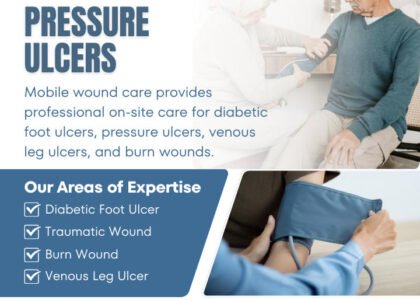
- Diabetic Foot Ulcers: These wounds are prevalent among patients with diabetes and can lead to severe complications if not managed properly.
- Pressure Ulcers: Often seen in patients with limited mobility, pressure ulcers require careful monitoring and treatment to prevent deterioration.
- Venous Leg Ulcers: These wounds result from poor circulation and can be challenging to heal in immunocompromised individuals.
Recognizing these wound types is crucial for implementing appropriate treatment strategies.
Specifically, for immunocompromised patients with diabetes, optimizing glycemic control and providing personalized postoperative care are critical to minimize complications.
Wound Care for Immunocompromised Diabetics
This paper emphasizes the need for enhanced glycemic management and personalized postoperative care, particularly for immunocompromised individuals, to minimize complications and improve patient prognosis. Future research should focus on prospective studies to validate targeted interventions and optimize care strategies, ultimately aiming to reduce the healthcare burden associated with diabetic foot complications.
Optimizing risk management for post-amputation wound complications in diabetic patients: Focus on glycemic and immunosuppressive control, 2025
What Special Protocols Optimize Infection Control in Wound Care for Immunocompromised Patients?
Optimizing infection control in wound care for immunocompromised patients involves several special protocols, including:
- Use of PPE: Personal protective equipment is essential for preventing contamination during wound care.
- Sterile Supplies: Utilizing sterile supplies minimizes the risk of introducing pathogens into the wound.
- Monitoring for Signs of Infection: Regular assessments for signs of infection can lead to early intervention and improved outcomes.
These protocols are vital for ensuring the safety and well-being of immunocompromised patients during wound care.
Which Infection Prevention Measures Are Essential in Specialized Wound Care?
Essential infection prevention measures in specialized wound care include:
- Proper Hand Hygiene: Ensuring that all caregivers practice proper hand hygiene is fundamental to preventing infections.
- Safe Disposal of Medical Waste: Proper disposal of medical waste reduces the risk of contamination and infection.
- Regular Dressing Changes: Frequent dressing changes help maintain a clean wound environment and promote healing.
Implementing these measures can significantly enhance the safety and effectiveness of wound care for immunocompromised patients.
How Do Advanced Wound Dressings Contribute to Reducing Infection Risk?
Advanced wound dressings play a crucial role in reducing infection risk by providing a protective barrier against contaminants while maintaining a moist wound environment. These dressings often contain antimicrobial properties that help prevent infection and promote healing. By utilizing advanced dressings, healthcare providers can enhance the overall effectiveness of wound care for immunocompromised patients.
How Do In-Home Care Services Enhance Safety and Healing Outcomes?
In-home care services can significantly enhance safety and healing outcomes for immunocompromised patients. Benefits of in-home care include:
- Consistent Monitoring: Regular visits from healthcare professionals ensure that wounds are monitored closely for any signs of complications.
- Personalized Treatment Plans: In-home care allows for tailored treatment plans that address the specific needs of each patient.
- Education and Support: Caregivers can provide education and support to patients and their families, empowering them to manage their care effectively.
These services contribute to improved healing outcomes and overall patient satisfaction.
What Are the Best Practices for Chronic Wound Management in Immunosuppressed Individuals?
Best practices for managing chronic wounds in immunosuppressed individuals include:
- Patient Education: Educating patients about their condition and self-care strategies is essential for effective management.
- Regular Monitoring: Frequent assessments help identify any changes in the wound’s condition, allowing for timely interventions.
- Collaboration Among Healthcare Providers: An interdisciplinary approach ensures comprehensive care and optimal healing.
By following these best practices, healthcare providers can enhance the quality of care for immunocompromised patients.
How Is Ongoing Monitoring and Assessment Conducted to Prevent Complications?
Ongoing monitoring and assessment are critical for preventing complications in immunocompromised patients. This process typically involves:
- Daily Wound Checks: Regular inspections of the wound help identify any signs of infection or deterioration.
- Structured Assessments: Utilizing standardized assessment tools allows healthcare providers to track healing progress and make informed decisions about treatment.
These practices are essential for ensuring that patients receive the highest level of care throughout their recovery.
Which Multidisciplinary Approaches Support Optimal Wound Healing?
Multidisciplinary approaches support optimal wound healing by bringing together various healthcare professionals to address the complex needs of immunocompromised patients. This collaboration may include:
- Wound Care Specialists: Experts in wound management provide targeted treatment strategies.
- Nutritionists: Ensuring adequate nutrition is vital for healing, making nutritionists an essential part of the care team.
- Physical Therapists: Addressing mobility issues can enhance circulation and promote healing.
By leveraging the expertise of multiple disciplines, healthcare providers can create comprehensive care plans that optimize healing outcomes.
What Frequently Asked Questions Address Wound Care Concerns for Immunocompromised Patients?
When Should Immunocompromised Patients Seek Specialist Wound Care?
Immunocompromised patients should seek specialist wound care when they notice:
- Non-healing Wounds: If a wound does not show signs of improvement within a reasonable timeframe, it may require specialized intervention.
- Signs of Infection: Symptoms such as increased redness, swelling, or discharge warrant immediate attention from a wound care specialist.
What Are Common Precautions to Prevent Wound Infections at Home?
To prevent wound infections at home, patients and caregivers should follow these precautions:
- Hand Hygiene: Regular handwashing is crucial to prevent the spread of bacteria.
- Use of PPE: Wearing gloves and masks during wound care can help minimize infection risks.
- Maintaining a Clean Environment: Keeping the wound area clean and free from contaminants is essential for healing.
By adhering to these precautions, immunocompromised patients can significantly reduce their risk of wound infections and promote better healing outcomes.
To further support patients, in-home care can be arranged to ensure consistent monitoring and personalized treatment plans.