
Geriatric Wound Care: Comprehensive Management Strategies for Elderly Patients
Geriatric wound care is a specialized field that addresses the unique needs of elderly patients suffering from various types of wounds. As the population ages, the prevalence of chronic wounds, such as pressure ulcers and diabetic foot ulcers, increases significantly. This article aims to provide a comprehensive overview of assessment techniques, treatment options, and preventive measures tailored for elderly patients. Understanding the complexities of geriatric wound care is essential for healthcare providers to enhance patient outcomes and improve the quality of life for seniors. We will explore critical aspects such as patient education, long-term monitoring, and the importance of multidisciplinary teams in managing wounds effectively.
A deeper understanding of patient-specific factors, such as frailty, is crucial for optimizing wound care strategies and improving healing outcomes in this vulnerable population.
Frailty Assessment in Elderly Wound Care Patients
The aim of this study is to characterize the degree of frailty in elderly patients attending a multidisciplinary wound care centres (MWCC). Additionally, we seek to assess the impact of frailty on the wound healing rate and wound healing time. An open cohort study was conducted on 51 consecutive patients aged > 70 years treated for wounds at an MWCC of an intermediate care hospital. The frailty score was determined according to the Frail-VIG index. Data were collected through patient questionnaires at the beginning of the study, and at 6 months or upon wound healing. Wounds were followed up every 2 weeks. To analyse the relationship between two variables was used the Chi-square test and Student’s or the ANOVA model. The t-test for paired data was used to analyse the evolution of the frailty index during follow-up.
Assessment of frailty in elderly patients attending a multidisciplinary wound care centre: a cohort study, M Espaulella-Ferrer, 2021
Assessment Techniques
Effective assessment techniques are crucial for identifying and managing wounds in elderly patients. Regular skin assessments and evaluations of underlying health issues are essential components of a comprehensive wound care strategy. Healthcare providers should conduct thorough examinations to determine the type, severity, and underlying causes of wounds. This proactive approach allows for timely interventions and tailored treatment plans that address the specific needs of elderly patients.
Treatment Options
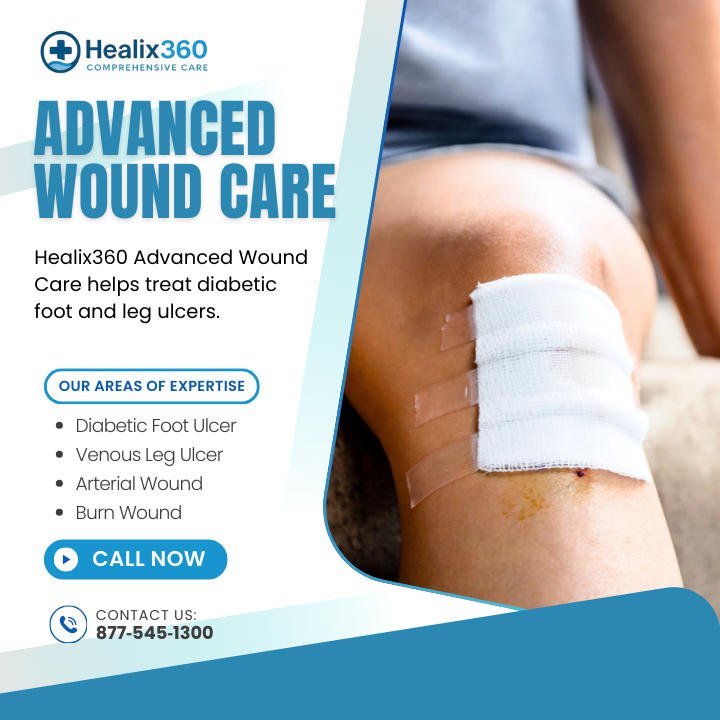
When it comes to treating wounds in elderly patients, a variety of options are available. Advanced dressings and negative pressure wound therapy are among the most effective treatments. These methods not only promote healing but also reduce the risk of infection. It is essential for healthcare providers to stay updated on the latest advancements in wound care to ensure that elderly patients receive the best possible treatment.
Prevention and Healing Considerations
Preventive measures play a vital role in geriatric wound care. Coordinating with specialists to implement strategies that minimize the risk of wound development is crucial. This includes educating patients and caregivers about proper skin care, mobility exercises, and nutrition. By focusing on prevention, healthcare providers can significantly reduce the incidence of chronic wounds in elderly patients.
Patient and Caregiver Education
Educating patients and caregivers about wound care is essential for successful management. Proper wound care techniques, recognizing signs of infection, and understanding the importance of nutrition are key topics that should be covered. Empowering caregivers with knowledge enables them to provide better support and care for elderly patients, ultimately leading to improved healing outcomes.
For those seeking specialized wound care services, Healix 360 is a dedicated provider focusing on advanced, patient-centered treatment solutions, including geriatric wound care. Their expertise ensures that elderly patients receive comprehensive care tailored to their unique needs.
Long-Term Monitoring and Follow-Up Care
Long-term monitoring and follow-up care are critical components of geriatric wound management. Regular check-ups and open communication between healthcare providers and patients help ensure that any changes in wound status are promptly addressed. This ongoing relationship fosters trust and encourages patients to seek help when needed, ultimately leading to better health outcomes.
What Are the Common Chronic Wounds Affecting Elderly Patients?
Elderly patients are particularly susceptible to several chronic wounds, including pressure ulcers and diabetic foot ulcers. Understanding these common conditions is essential for effective management and prevention.
How Do Pressure Ulcers Develop and Progress in Seniors?
Pressure ulcers develop due to prolonged pressure on the skin, often exacerbated by immobility. The stages of pressure ulcers range from redness of the skin to deep tissue damage. Preventive strategies, such as regular repositioning and skin assessments, are vital in managing this condition effectively.
Further research highlights advanced therapeutic options for managing severe pressure ulcers, particularly in the sacral region.
NPWT for Sacral Pressure Sore Reconstruction in Elderly
Pressure sores significantly affect elderly patients, with the sacrum being especially vulnerable, often due to its proximity to the anus and potential for fecal contamination. Despite preventive measures such as frequent repositioning and specialized cushions, some sores still necessitate surgical intervention. Postoperative care focuses on monitoring, hygiene, and pressure alleviation. This study assessed the efficacy of Closed-Incision Negative Pressure Wound Therapy (CI-NPWT) for postoperative wound management in patients with sacral pressure sores treated with local flaps.
Closed-incision negative pressure wound therapy (NPWT) in elderly patients following sacral pressure sore reconstruction, JH Park, 2024
What Are the Characteristics of Diabetic Foot Ulcers in the Elderly?
Diabetic foot ulcers are characterized by poor circulation and neuropathy, leading to skin breakdown. Effective management strategies include regular foot inspections, proper footwear, and glycemic control. Addressing these factors can significantly reduce the risk of complications associated with diabetic foot ulcers.
Emerging technologies, such as wearable devices, offer promising avenues for proactive prevention and early detection of diabetic foot ulcers in older adults.
Wearable Tech for Diabetic Ulcer Prevention in Elderly
Many patients who develop a diabetes-related ulceration will eventually require lower extremity amputation, an outcome with well-described morbidity and mortal complications. Foremost in the many deteriorating effects of aging on lower extremity health are the development of peripheral neuropathies, development of peripheral arterial disease, loss of proprioceptive feedback, and loss of adequate function leading to increased falls. Current healthcare practice guidelines substantially improve the long-term care of older adults; however, they are often limited to semi-regular screenings and patient-reported symptoms. Future implementation of wearable, constant-monitoring technology has the potential to revolutionize healthcare by early detection and “pre-habilitative” therapy before the patient even needs to visit the clinic.
Current standards and advances in diabetic ulcer prevention and elderly fall prevention using wearable technology, JD Miller, 2015
What Specialized Treatment Approaches Optimize Healing in Geriatric Wound Care?
Specialized treatment approaches, such as advanced wound dressings and bioengineered tissues, can optimize healing in geriatric wound care. These innovations enhance the healing environment and promote tissue regeneration, making them essential tools in managing complex wounds.
How Do Advanced Wound Dressings Enhance Recovery in Elderly Patients?
Advanced wound dressings create a moist wound environment, which is crucial for healing. They also help reduce infection risk by providing a barrier against external contaminants. Understanding the types of dressings available and their specific applications can greatly improve recovery outcomes for elderly patients.
What Infection Prevention Protocols Are Essential for Senior Wound Management?
Infection prevention is paramount in managing wounds among elderly patients. Essential protocols include:
- Hand Hygiene: Regular handwashing and the use of gloves during wound care.
- Use of PPE: Personal protective equipment should be utilized to minimize infection risk.
- Regular Monitoring: Frequent assessments for signs of infection to ensure timely intervention.
Implementing these protocols can significantly reduce the incidence of wound infections in elderly patients.
How Does Nutrition and Mobility Influence Wound Healing in Elderly Patients?
Nutrition and mobility are critical factors influencing wound healing in elderly patients. Adequate protein intake and essential vitamins and minerals support tissue repair and immune function. Additionally, maintaining mobility through physical therapy can enhance blood circulation, promoting faster healing.
What Nutritional Interventions Support Chronic Wound Healing in Seniors?
Nutritional interventions that support chronic wound healing include:
- Protein Intake: Essential for tissue repair and regeneration.
- Vitamins A and C: Important for collagen synthesis and immune function.
- Zinc: Plays a role in cell proliferation and immune response.
These nutritional strategies can significantly enhance the healing process for elderly patients with chronic wounds.
How Can Mobility and Risk Reduction Strategies Prevent Wound Complications?
Implementing mobility and risk reduction strategies is vital in preventing wound complications. Regular skin assessments and education on foot care can help identify potential issues before they escalate. Encouraging mobility through physical therapy not only improves circulation but also reduces the risk of pressure ulcers.
What Is the Patient Referral and Appointment Scheduling Process for Geriatric Wound Care?
A streamlined referral and appointment scheduling process is essential for effective geriatric wound care. Healthcare providers should ensure that patients have easy access to specialized services, facilitating timely interventions.
How Do Streamlined Referral Systems Improve Access to Specialized Wound Care?
Streamlined referral systems improve access to specialized wound care by ensuring timely connections between patients and providers. This approach enhances patient care and reduces delays in treatment, ultimately leading to better health outcomes.
What Are the Steps to Schedule Appointments for Elderly Wound Care Services?
Scheduling appointments for elderly wound care services typically involves:
- Contact Methods: Patients can reach out via phone or online forms.
- Appointment Confirmation: Ensuring that patients receive confirmation of their scheduled appointments.
- Follow-Up Reminders: Sending reminders to patients to reduce no-show rates.
These steps help ensure that elderly patients receive the care they need without unnecessary delays.
How Do Provider Partnerships Enhance Outcomes in Geriatric Wound Care?
Provider partnerships play a crucial role in enhancing outcomes in geriatric wound care. Collaborative approaches among healthcare professionals ensure comprehensive management of wounds, addressing all aspects of patient care.
What Roles Do Multidisciplinary Teams Play in Managing Elderly Wounds?
Multidisciplinary teams are essential in managing elderly wounds, as they bring together various specialists to address the complex needs of patients. This integration of care improves communication and coordination, leading to better health outcomes.
How Does Collaboration Between Providers Improve Care Coordination?
Collaboration between providers enhances care coordination by ensuring that all team members are informed about the patient’s condition and treatment plan. This comprehensive approach fosters a holistic view of patient care, ultimately improving outcomes for elderly patients with wounds.
To learn more about geriatric wound care and the specific conditions treated, it’s important to consult with specialized providers.
For more information or to contact us, please visit our website.
In addition to traditional settings, private residences are also an option for receiving specialized wound care.