
Comprehensive Post Skin Graft Care and Advanced Wound Closure: Mobile Care Post-Procedure Support for Optimal Recovery
Skin grafts and advanced wound closure techniques are critical components in modern surgical practices, aimed at enhancing recovery and minimizing complications. This article delves into the essential aspects of post-skin graft care, focusing on mobile care support that facilitates optimal healing. Patients often face challenges in managing their recovery effectively, which can lead to complications if not addressed properly. By understanding the various wound management techniques, patient education strategies, and mobile care support options, individuals can significantly improve their recovery outcomes. This guide will cover wound management techniques, patient education, follow-up procedures, and the role of mobile care in supporting post-procedure recovery.
Beyond the physical healing, successful skin grafting profoundly impacts a patient’s overall well-being, significantly improving their quality of life and self-esteem.
Skin Grafting Improves Patient Quality of Life and Self-Esteem
The assessment of health-related quality of life in patients with venous leg ulcers provides important information for clinical decision making, evaluation of therapeutic benefits, and prediction of survival probabilities. Health-related quality of life and self-esteem were assessed using the Medical Outcomes Study 36-Item Short Form Health Survey (SF-36) and the Rosenberg self-esteem (RSE) scale, respectively, in patients with venous leg ulcers treated with split-thickness skin grafts. Patients in the surgery group reported significantly higher SF-36 scores (better health status) than controls one month after surgery, as well as 90 and 180 days postoperatively (p< 0.002). Split-thickness skin grafting resulted in better health-related quality of life and self-esteem in patients with venous leg ulcers than did compression therapy with Unna’s boot.
The impact of skin grafting on the quality of life and self-esteem of patients with venous leg ulcers, GM Salomé, 2014
Wound Management Techniques
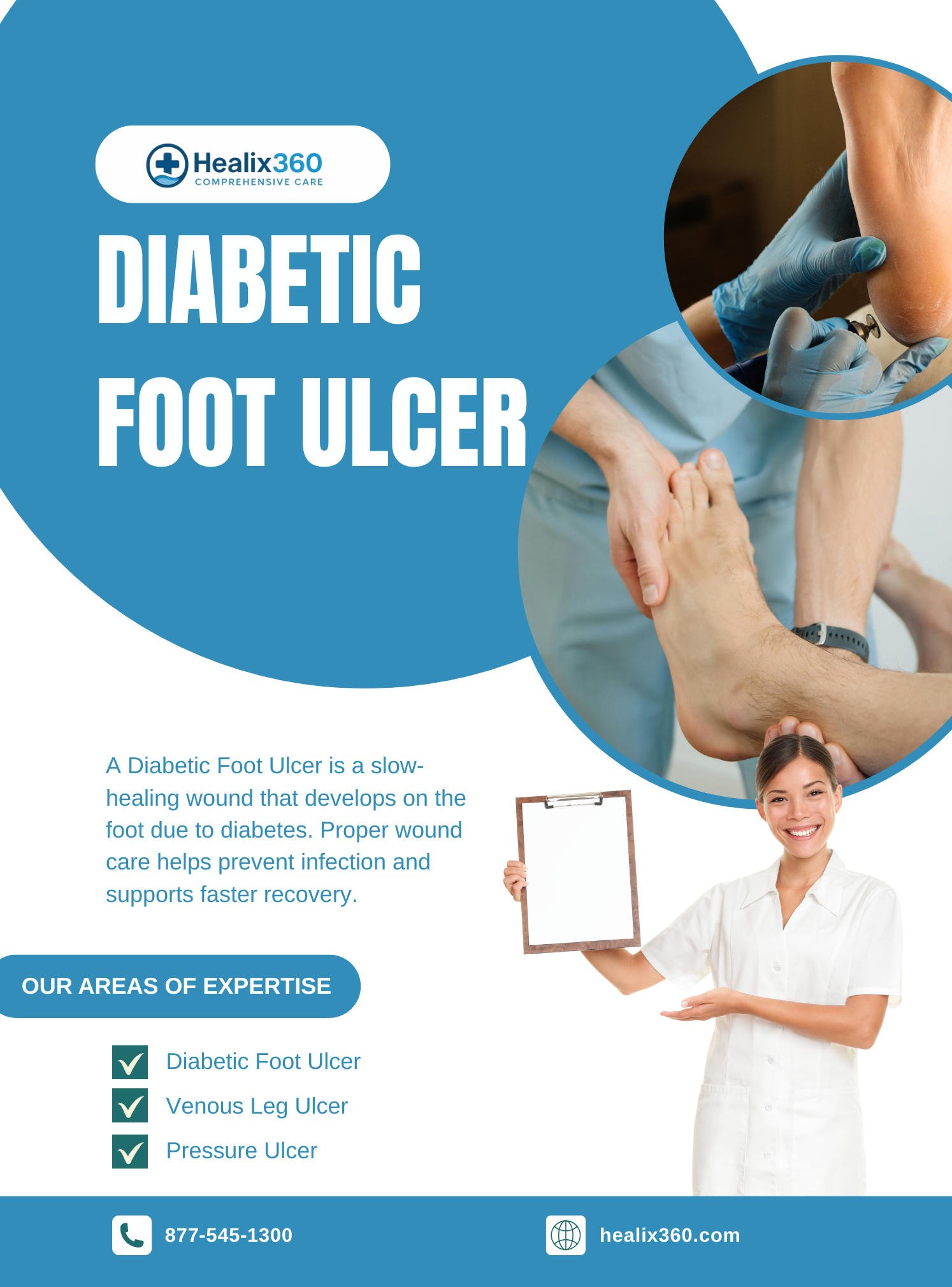
Effective wound management is crucial for successful skin graft healing. Various techniques are employed to ensure that wounds are properly cared for, minimizing the risk of infection and promoting optimal healing. Key methods include debridement, negative pressure therapy (NPWT), and the use of biologic dressings. Each technique serves a specific purpose in the healing process, contributing to the overall success of skin grafts.
Debridement Techniques
Debridement involves the removal of dead or infected tissue from a wound, which is essential for preventing infection and promoting healing. This process can be performed surgically or through enzymatic means, depending on the wound’s condition. Regular debridement helps maintain a clean wound bed, facilitating better integration of the skin graft.
Negative Pressure Therapy (NPWT)
Negative pressure therapy is a modern wound management technique that uses a vacuum dressing to promote healing. By applying negative pressure, this method enhances blood flow to the wound area, reduces edema, and helps draw the edges of the wound together. NPWT has been shown to accelerate healing times and improve overall outcomes for patients undergoing skin graft procedures.
Biologic Dressings
Biologic dressings, derived from human or animal tissues, provide a supportive environment for wound healing. These dressings can promote cellular regeneration and reduce the risk of infection. They are particularly beneficial for patients with complex wounds or those who may not respond well to traditional dressings.
Patient Education
Educating patients about their care is vital for successful recovery after skin graft procedures. Patients must understand self-care strategies, recognize potential complications, and know where to find educational resources. This knowledge empowers them to take an active role in their recovery, leading to better outcomes.
Self-Care Strategies
Patients should be instructed on proper wound care techniques, including how to clean the area, change dressings, and recognize signs of infection. Clear guidelines on activity restrictions and the importance of keeping the graft site clean and dry are essential for preventing complications.
Recognizing Complications
Patients must be aware of the signs of complications, such as increased redness, swelling, or discharge from the wound site. Early recognition of these symptoms can lead to prompt medical intervention, reducing the risk of severe complications.
Resources for Education
Providing patients with access to educational materials, such as brochures or online resources, can enhance their understanding of post-surgical care. These resources should cover topics like wound care, nutrition, and the importance of follow-up appointments.
Follow-Up Procedures
Follow-up care is a critical component of post-skin graft management. Regular monitoring allows healthcare providers to assess the healing process and make necessary adjustments to the treatment plan. Effective communication between patients and their care teams is essential for successful outcomes.
Regular Monitoring
Patients should have scheduled follow-up appointments to evaluate the healing of the skin graft. During these visits, healthcare providers can assess the graft’s integration, check for signs of infection, and provide additional guidance on care.
Communication with Care Teams
Open lines of communication between patients and their healthcare teams are vital. Patients should feel comfortable discussing any concerns or changes in their condition, ensuring that they receive timely support and intervention when needed.
Caregiver Involvement
Involving caregivers in the follow-up process can enhance patient support. Caregivers can assist with wound care, help monitor for complications, and provide emotional support during recovery.
Mobile Care Support Strategies
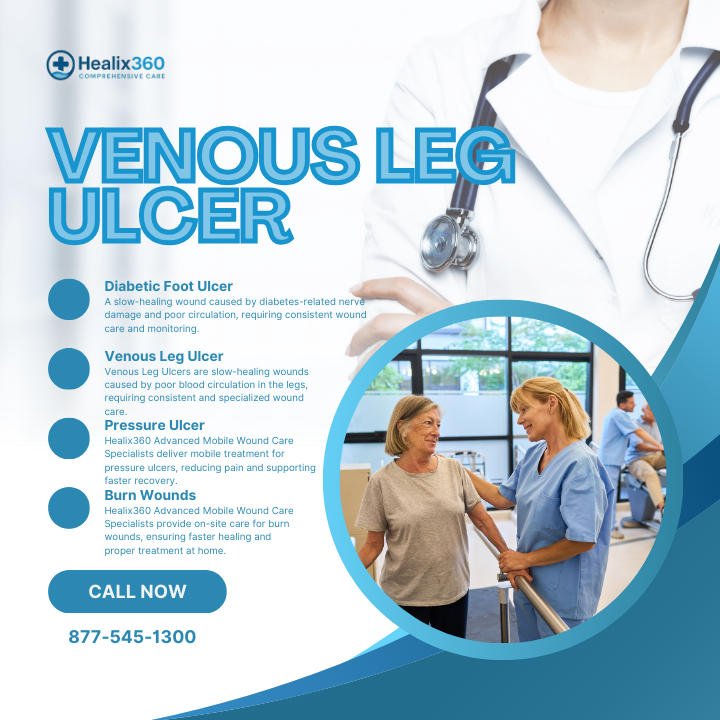
Mobile care support offers a convenient solution for patients recovering from skin graft procedures. This approach allows healthcare providers to deliver care directly to patients’ homes, improving accessibility and compliance with treatment plans.
Personalized Treatment Plans
Mobile care services can create personalized treatment plans tailored to each patient’s needs. This individualized approach ensures that patients receive the appropriate level of care and support throughout their recovery journey.
Accessibility of Services
Mobile care enhances accessibility for patients who may have difficulty traveling to healthcare facilities. By bringing care directly to patients, mobile services can reduce barriers to treatment and improve overall patient satisfaction.
Technology Integration
The use of technology in mobile care, such as telehealth consultations and remote monitoring, allows for continuous support and assessment. Patients can receive guidance and adjustments to their care plans without the need for in-person visits.
What Are the Key Skin Graft Types and Their Healing Stages?
Understanding the different types of skin grafts and their healing stages is essential for effective post-operative care. Skin grafts can be categorized into various types, including split-thickness grafts, full-thickness grafts, and composite grafts. Each type has distinct healing characteristics and timelines.
How Do Different Skin Graft Procedures Affect Recovery Timelines?
Recovery timelines for skin grafts vary based on the type of graft used and the patient’s overall health. Split-thickness grafts typically heal faster than full-thickness grafts, with initial healing occurring within 1-2 weeks. Full-thickness grafts may take longer, often requiring 2-3 weeks for initial healing, followed by several weeks for complete integration.
What Are the Clinical Indicators of Successful Skin Graft Healing?
Successful skin graft healing can be monitored through several clinical indicators. These include the presence of healthy granulation tissue, minimal drainage, and the absence of infection. Regular assessments by healthcare providers can help ensure that the graft is healing as expected.
Which Advanced Wound Closure Methods Enhance Post-Surgical Outcomes?
Advanced wound closure methods play a significant role in improving post-surgical outcomes. Techniques such as bioengineered skin substitutes, negative pressure wound therapy, and regenerative therapies are at the forefront of modern wound management.
Bioengineered Skin Substitutes
Bioengineered skin substitutes provide a temporary covering for wounds, promoting healing and reducing the risk of infection. These substitutes can facilitate the integration of the skin graft and enhance overall recovery.
Negative Pressure Wound Therapy (NPWT)
As previously mentioned, NPWT is an effective method for managing complex wounds. By creating a controlled environment, NPWT can significantly improve healing rates and reduce complications.
Regenerative Therapies
Regenerative therapies, including stem cell treatments and growth factor applications, are emerging as promising options for enhancing wound healing. These therapies aim to stimulate the body’s natural healing processes, leading to improved outcomes for patients.
Further advancements in regenerative techniques, such as RECELL, offer innovative approaches to wound healing by utilizing a patient’s own skin cells.
RECELL Regenerative Technique for Skin Defect Wound Healing
Skin grafting is currently the gold standard for managing skin defects [1]. Split-thickness skin grafting, the most common technique, is challenging because it yields a limited amount of skin and creates a new wound at a healthy donor site [2]. For extensive skin defects caused by severe trauma, such as open fractures or degloving injuries, the limited availability of harvested skin often necessitates extended coverage using mesh grafting. However, epithelialization of the meshed area requires a considerable amount of time, and the cosmetic outcome may be less than ideal [3-6]. RECELL (Avita Medical) is a regenerative technique that uses the skin cells of a patient to create a noncultured skin cell suspension for wound healing [7-9]. This suspension is applied to the wound, enabling closure without extensive skin grafting.
Utility of RECELL for Traumatic Skin Defects: Protocol for a Prospective, Single-Arm Pilot Study, 2026
How Do Modern Wound Closure Techniques Improve Healing Efficiency?
Modern wound closure techniques focus on enhancing healing efficiency through innovative methods. These techniques aim to minimize tissue trauma and promote faster recovery.
Mechanisms of Modern Techniques
Modern techniques often involve the use of advanced suturing methods, adhesive technologies, and specialized dressings that reduce tension on the wound. These approaches can lead to improved healing times and reduced scarring.
Benefits of Advanced Methods
The benefits of modern wound closure techniques include decreased infection rates, faster recovery times, and improved cosmetic outcomes. By utilizing these methods, healthcare providers can enhance patient satisfaction and overall treatment success.
Innovations continue to push the boundaries of wound closure, with new techniques emerging that promise scar-free healing and even more efficient recovery.
DermTech Nexus: Modern Scar-Free Skin Grafting for Enhanced Recovery
This project focuses on developing a web application calledDermTech Nexus: The New Frontier in Skin Grafting, which introduces a modern, scar-free skin grafting technique inspired by mussel glue. The goal is to create an innovative and efficient system that enhances patient outcomes and speeds up recovery. The application supports the entire skin grafting process, including resource management, graft integration, adhesive application, and quality assessment. It ensures precise measurement and efficient management of materials like mussel glue, dermal substitutes, and skin graft components. The platform documents each step carefully and uses advanced algorithms, like the Lasso Regressor, to check adhesive strength and graft quality. This helps clinicians make accurate decisions, ensuring better healing and fewer complications. Before implementingDermTech Nexus, traditional skin grafting methods relied on invasive surgeries with large incisions, stitches, and staples to se
DermTech Nexus: The New Frontier in Skin Grafting, 2025
What Are the Comparative Benefits of Various Wound Closure Materials?
Different wound closure materials offer unique advantages that can impact healing outcomes. Understanding these benefits can help healthcare providers select the most appropriate materials for each patient.
Benefits of Regenerative Grafts
Regenerative grafts are designed to promote healing by providing a scaffold for tissue regeneration. These materials can enhance the integration of skin grafts and improve overall healing rates.
Effectiveness of NPWT
Negative pressure wound therapy has been shown to be highly effective in managing complex wounds. Its ability to promote blood flow and reduce edema contributes to faster healing and improved patient outcomes.
How Does Mobile Wound Care Support Post-Procedure Skin Graft Recovery at Home?
Mobile wound care services provide essential support for patients recovering from skin graft procedures in the comfort of their homes. This approach enhances patient compliance and facilitates better healing outcomes.
In-Home Assessments
Mobile care providers can conduct in-home assessments to monitor the healing process and make necessary adjustments to treatment plans. This personalized approach ensures that patients receive the care they need without the stress of traveling.
Dressing Changes
Mobile wound care services can assist with dressing changes, ensuring that wounds are properly cared for and reducing the risk of infection. This support is particularly valuable for patients who may have difficulty managing their care independently.
Patient Education
Mobile care providers can offer education on wound care and self-management strategies, empowering patients to take an active role in their recovery. This education is crucial for preventing complications and promoting optimal healing.
What Mobile Healthcare Services Are Available for Post-Surgical Wound Management?
A variety of mobile healthcare services are available to support post-surgical wound management. These services can significantly enhance patient care and recovery.
In-Home Specialist Visits
Mobile healthcare providers can offer in-home visits from specialized wound care nurses, ensuring that patients receive expert care tailored to their needs. This personalized approach can improve healing outcomes and patient satisfaction.
Advanced Therapies
Mobile services may also provide access to advanced therapies, such as NPWT and biologic dressings, directly in the patient’s home. This convenience allows for timely interventions and enhances the overall recovery experience.
Patient Education
Mobile healthcare services often include educational components, helping patients understand their care and the importance of adherence to treatment plans. This education is vital for successful recovery.
How Does Mobile Care Improve Patient Accessibility and Clinical Outcomes?
Mobile care significantly improves patient accessibility to healthcare services, particularly for those recovering from surgical procedures. This approach can lead to better clinical outcomes and enhanced patient satisfaction.
In-Home Treatment
By providing care in the home, mobile services eliminate barriers to access, such as transportation challenges. Patients can receive timely interventions and support without the stress of traveling to a healthcare facility.
Personalized Care Plans
Mobile care allows for the development of personalized care plans that cater to each patient’s unique needs. This individualized approach enhances the effectiveness of treatment and promotes better recovery outcomes.
Regular Monitoring
Mobile care providers can conduct regular monitoring of patients’ conditions, ensuring that any complications are addressed promptly. This proactive approach can lead to improved healing and reduced hospital readmissions.
What Are the Essential Patient Instructions for Effective Skin Graft and Wound Closure Care?
Patients must follow specific instructions to ensure effective skin graft and wound closure care. Adhering to these guidelines can significantly impact recovery outcomes.
Hand Hygiene
Maintaining proper hand hygiene is crucial for preventing infection. Patients should be instructed to wash their hands thoroughly before touching the wound or changing dressings.
Dressing Changes
Patients should be educated on the importance of regular dressing changes and how to perform them correctly. This practice helps keep the wound clean and promotes healing.
Monitoring for Infection
Patients must be aware of the signs of infection, such as increased redness, swelling, or discharge. Prompt reporting of these symptoms to healthcare providers is essential for timely intervention.
Which Home Care Practices Prevent Infection and Promote Healing?
- Proper Wound Cleaning: Gently clean the wound with saline or prescribed solutions to remove debris and bacteria.
- Nutrition for Healing: A balanced diet rich in vitamins and minerals supports the healing process. Patients should focus on protein intake and hydration.
- Avoiding Irritants: Patients should avoid exposing the wound to irritants, such as harsh soaps or chemicals, which can impede healing.
How Should Patients Monitor and Report Signs of Complications?
- Signs of Infection: Patients should look for increased redness, warmth, swelling, or discharge from the wound site.
- Reporting Procedures: Establish clear guidelines for patients on how to report concerns to their healthcare providers, including contact information and response times.
How Does the Patient Referral and Appointment Scheduling Process Facilitate Mobile Wound Care?
The patient referral and appointment scheduling process is essential for facilitating mobile wound care services. A streamlined process ensures that patients receive timely and appropriate care.
Initial Contact Process
Patients should be informed about how to initiate contact for mobile wound care services. This may involve a referral from their primary care provider or direct contact with a “mobile care service”.
Comprehensive Assessment
Upon referral, a comprehensive assessment is conducted to determine the patient’s needs and develop a personalized care plan. This assessment is crucial for ensuring that patients receive the appropriate level of care.
Follow-Up Planning
Effective follow-up planning is essential for monitoring patient progress and making necessary adjustments to treatment plans. Mobile care providers should establish clear follow-up protocols to ensure continuity of care.
What Are the Steps for Healthcare Providers to Initiate Mobile Post-Procedure Support?
Healthcare providers play a vital role in initiating mobile post-procedure support for patients. Understanding the steps involved can enhance the effectiveness of these services.
Patient Referral
Providers should establish a clear referral process for patients requiring mobile wound care. This may involve direct communication with mobile care services to ensure a smooth transition.
Appointment Scheduling
Scheduling appointments for mobile care visits should be efficient and patient-centered. Providers should work closely with mobile care teams to coordinate visits that align with patients’ needs.
Initial Assessment
An initial assessment by mobile care providers is essential for developing a personalized care plan. This assessment should include a thorough evaluation of the patient’s condition and any specific needs.
How Can Patients Efficiently Access Mobile Wound Care Services?
Accessing mobile wound care services should be straightforward for patients. Understanding the available options can enhance their recovery experience.
Available Options
Patients should be informed about the various mobile care options available to them, including in-home visits and telehealth consultations. This knowledge empowers them to choose the best option for their needs.
Scheduling Processes
Clear guidelines for scheduling mobile care appointments should be provided to patients. This may include online booking systems or dedicated phone lines for scheduling.
Referral Mechanisms
Patients should understand the referral mechanisms in place for accessing mobile wound care services. This may involve coordination with their primary care providers or direct referrals from specialists.
What Are the Benefits of Provider Partnerships in Delivering Mobile Skin Graft and Wound Care?
Provider partnerships play a crucial role in delivering effective mobile skin graft and wound care. Collaborations between healthcare providers can enhance patient outcomes and streamline care delivery.
Improved Patient Outcomes
Collaborative efforts among providers can lead to improved patient outcomes through coordinated care. By sharing information and resources, providers can ensure that patients receive comprehensive support throughout their recovery.
Efficiency in Care Delivery
Partnerships can enhance the efficiency of care delivery by reducing redundancies and streamlining processes. This efficiency can lead to faster response times and improved patient satisfaction.
Enhanced Resource Utilization
By working together, providers can optimize resource utilization, ensuring that patients have access to the necessary tools and support for effective wound management.
How Do Collaborative Networks Enhance Care Coordination and Patient Outcomes?
Collaborative networks among healthcare providers can significantly enhance care coordination and improve patient outcomes. These networks facilitate communication and resource sharing, leading to more effective treatment strategies.
Improved Access and Monitoring
Collaborative networks can improve access to care by connecting patients with the appropriate resources and specialists. This access ensures that patients receive timely interventions and ongoing support.
Higher Closure Rates
Effective care coordination can lead to higher closure rates for wounds, reducing the risk of complications and improving overall recovery times. Collaborative efforts ensure that patients receive the necessary follow-up care and monitoring.
Enhanced Patient Comfort
By providing comprehensive support through collaborative networks, patients can experience enhanced comfort during their recovery. This support can alleviate anxiety and improve overall satisfaction with the care process.
What Opportunities Exist for Providers to Integrate Mobile Wound Care Services?
Providers have numerous opportunities to integrate mobile wound care services into their practice. Embracing these opportunities can enhance patient care and improve outcomes.
Improved Access and Convenience
Integrating mobile wound care services can improve access and convenience for patients, allowing them to receive care in the comfort of their homes. This approach can lead to better adherence to treatment plans and improved recovery outcomes.
Frequent Monitoring
Mobile care services enable frequent monitoring of patients’ conditions, allowing for timely interventions and adjustments to treatment plans. This proactive approach can significantly enhance healing and reduce complications.
Enhanced Patient Education
Providers can leverage mobile care services to enhance patient education, ensuring that individuals understand their care and the importance of adherence to treatment plans. This education is vital for successful recovery.
To further explore how “concierge mobile care” can benefit you or your loved ones, consider reaching out to specialized providers.
For those seeking personalized attention and comprehensive support, “contacting Healix360” directly can provide tailored solutions to meet individual needs.
Understanding the specific “conditions” that benefit from mobile wound care can help patients make informed decisions about their recovery process.