
Negative Pressure Wound Therapy at Home: Advanced NPWT Solutions for Effective Home Wound Care Therapy
Negative Pressure Wound Therapy (NPWT) has emerged as a revolutionary approach in wound care, particularly for patients receiving treatment at home. This therapy utilizes a vacuum mechanism to promote healing by removing excess fluid and increasing blood flow to the wound site. In this article, we will explore the effectiveness, application methods, and benefits of NPWT, particularly in home settings. Many patients and caregivers face challenges in managing wounds effectively, and NPWT offers a solution that enhances healing while providing convenience and support. We will delve into the various types of wounds that benefit from NPWT, the devices available for home use, and the insurance coverage that supports this innovative therapy.
Effectiveness
NPWT has been shown to significantly enhance wound healing through various mechanisms. By creating a controlled negative pressure environment, NPWT promotes faster healing rates, reduces the risk of infection, and encourages the formation of granulation tissue. Studies indicate that wounds treated with NPWT heal more quickly compared to traditional methods, making it a preferred choice for many healthcare providers. The effectiveness of NPWT is particularly evident in chronic and complex wounds, where conventional treatments may fall short.
Further systematic reviews underscore the growing recognition of NPWT’s efficacy and safety, particularly for managing chronic wounds in a home environment.
Efficacy & Safety of Home NPWT for Chronic Wounds
The use of negative pressure wound therapy (NPWT) is increasing in both the inpatient and outpatient settings. This systematic review focuses on the efficacy and safety of NPWT for the treatment of chronic wounds in the home setting.
Negative pressure wound therapy technologies for chronic wound care in the home setting: a systematic review, 2015
Application Methods
The application of NPWT in home settings involves several key steps to ensure optimal results. First, the device setup requires careful placement of the dressing and the vacuum pump, which must be monitored regularly. Portable NPWT systems are designed for ease of use, allowing patients or caregivers to manage the therapy effectively. Adjustments may be necessary based on the wound’s response to treatment, making it essential for users to be educated on monitoring techniques and device operation.
Benefits for Home Wound Care Therapy
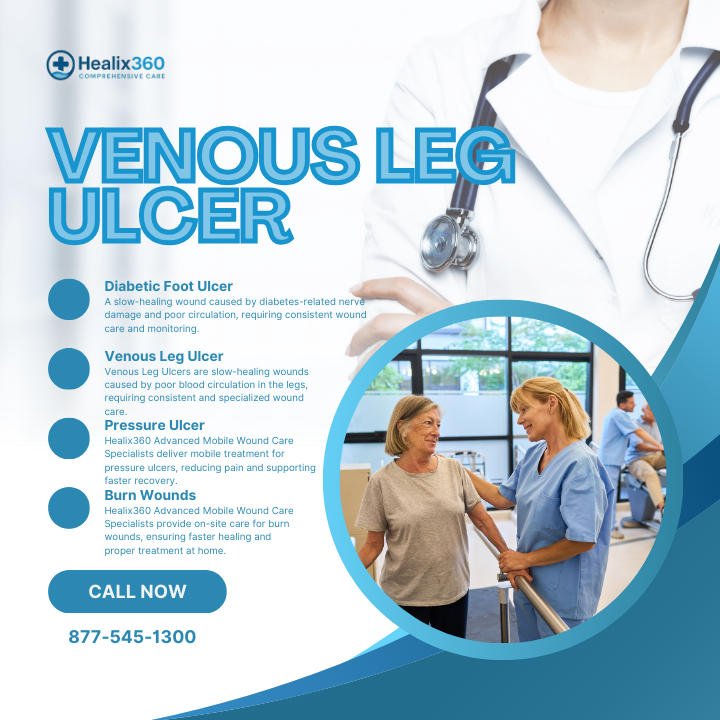
NPWT offers numerous benefits for patients receiving wound care at home. These include:
- Convenience of Home Care: Patients can receive advanced wound therapy in the comfort of their own homes, reducing the need for frequent hospital visits.
- Continuous Therapy: NPWT can be applied continuously, providing consistent treatment that promotes healing around the clock.
- Support for Caregivers: Caregivers are equipped with the tools and knowledge to manage complex wounds effectively, enhancing their confidence and ability to provide care.
Research highlights the significant preference patients have for home-based care, emphasizing its positive impact on their daily lives and the support it provides to caregivers.
Patient & Caregiver Benefits of Home NPWT
Patients with chronic wound would prefer to choose home care for less interference on their lives and less burden on caregivers; on Case 5: “When changing the dressing, I needed my husband to help me”.
Perspectives on the process of negative pressure wound therapy at home in patients with chronic wound: a qualitative descriptive study, J Hu, 2022
Healix 360 specializes in providing advanced wound care solutions, including NPWT, delivered directly to patients’ homes. This partnership ensures that patients receive the necessary support and resources for effective wound management.
Conclusion
The significance of NPWT in home wound care cannot be overstated. It not only enhances healing rates but also improves patient satisfaction by allowing individuals to manage their care in a familiar environment. As advancements in wound care continue to evolve, NPWT stands out as a leading solution for effective home therapy.
What is Negative Pressure Wound Therapy and How Does It Work at Home?
Negative Pressure Wound Therapy (NPWT) is a medical treatment that uses a vacuum dressing to promote healing in acute and chronic wounds. By applying negative pressure to the wound, NPWT helps to draw out excess fluid, reduce swelling, and increase blood flow to the area. This process accelerates the healing process and minimizes the risk of infection.
Definition:
NPWT is defined as a therapeutic technique that utilizes controlled negative pressure to facilitate wound healing. It involves the application of a vacuum dressing that creates a sealed environment around the wound, allowing for effective drainage and tissue regeneration.
Mechanisms of Action:
The mechanisms by which NPWT promotes healing include tissue deformation, fluid removal, and stabilization of the wound environment. The negative pressure stimulates the surrounding tissue, encouraging cellular proliferation and granulation tissue formation, which are essential for wound closure.
Benefits:
The benefits of NPWT are manifold, including accelerated healing, reduced infection risk, and enhanced patient comfort. By maintaining a moist wound environment and promoting blood flow, NPWT significantly improves the overall healing process.
Application Techniques:
Applying NPWT involves several steps, including the proper setup of the vacuum pump and dressing. Patients or caregivers must be trained to monitor the device and make necessary adjustments to ensure optimal therapy. Regular assessments of the wound’s condition are crucial for effective management.
Which Types of Wounds Benefit from Home-Based NPWT?
Home-based NPWT is particularly beneficial for various types of wounds, including:
- Diabetic Foot Ulcers: These chronic wounds often require advanced care to promote healing and prevent complications.
- Pressure Ulcers: NPWT can effectively manage and heal pressure ulcers by promoting blood flow and tissue regeneration.
- Post-Surgical Wounds: Surgical incisions can benefit from NPWT to reduce the risk of infection and enhance healing.
Specifically, innovative applications of NPWT devices have shown promising results in the home treatment of challenging conditions like diabetic foot ulcers.
Home NPWT for Diabetic Foot Ulcers
Novel home use of mechanical negative pressure wound therapy (NPWT) device onto the diabetic foot ulcer. The NPWT device can be strapped onto the patient’s leg and wound outcomes and images of the wounds were recorded.
Novel home use of mechanical negative pressure wound therapy in diabetic foot ulcers, 2021
Chronic and Acute Wounds Suitable for Portable NPWT Devices
Portable NPWT devices are designed to cater to both chronic and acute wounds. Chronic wounds, such as diabetic ulcers and venous leg ulcers, often require prolonged treatment, while acute wounds, including surgical incisions, benefit from the rapid healing capabilities of NPWT. Treatment considerations must include the wound’s size, depth, and overall health of the surrounding tissue.
What Are the Available Portable NPWT Devices and Their Usage Guidelines?
Several portable NPWT devices are available for home use, each with specific guidelines for application. These devices typically include a vacuum pump, dressing materials, and instructions for use. It is essential for patients and caregivers to understand the operation of these devices to ensure effective treatment. Safety considerations, such as monitoring for leaks and ensuring proper dressing changes, are critical for successful NPWT application.
How Does Insurance and Medicare Coverage Support Home NPWT?
Insurance and Medicare coverage play a vital role in facilitating access to NPWT for patients at home. Many insurance plans recognize NPWT as a medically necessary treatment for specific wound types, allowing for reimbursement of associated costs. Understanding the coverage options available can help patients navigate the financial aspects of their care.
Navigating Patient Eligibility and Reimbursement Processes
Navigating patient eligibility for NPWT can be complex, but understanding the criteria for coverage is essential. Patients must meet specific guidelines to qualify for insurance reimbursement, including documentation of the wound type and previous treatment attempts. Familiarity with the reimbursement processes can streamline access to necessary therapies.
What Clinical Evidence Supports the Effectiveness of Home NPWT?
Clinical evidence supporting the effectiveness of NPWT is robust, with numerous studies demonstrating its safety and efficacy. Research has shown that NPWT significantly improves healing rates and reduces complications in various wound types. These findings underscore the importance of NPWT as a standard treatment option in wound care.
Recent Case Studies Demonstrating Improved Healing Rates and Cost Savings
Recent case studies have highlighted the positive outcomes associated with NPWT, including improved healing rates and cost savings for healthcare systems. By reducing the need for extensive surgical interventions and hospital stays, NPWT not only benefits patients but also contributes to overall healthcare efficiency.
How Can Patients and Providers Collaborate for Optimal Home Wound Care?
Collaboration between patients and healthcare providers is crucial for achieving optimal outcomes in home wound care. Effective communication strategies, clearly defined roles, and comprehensive care plans can enhance the management of wounds. Patients should feel empowered to engage with their providers to ensure their needs are met.
Streamlined Patient Referral Processes and Provider Partnerships with Healix 360
Healix 360 emphasizes the importance of streamlined patient referral processes and partnerships with healthcare providers. By facilitating communication and collaboration, Healix 360 ensures that patients receive timely access to NPWT and other advanced wound care solutions. This partnership model enhances the overall quality of care and supports better patient outcomes.
For patients seeking advanced wound care in a comfortable setting, Healix 360 offers specialized wound care solutions delivered directly to private residences. This service ensures that individuals receive personalized attention and comprehensive treatment in the privacy of their own homes.
To learn more about how Healix 360 can support your wound care needs, contact us today. Our team is ready to assist you with any questions and provide the resources necessary for effective home wound care therapy.