
Nutrition for Wound Healing: Essential Dietary Strategies to Optimize Recovery and Tissue Repair
Nutrition plays a pivotal role in wound healing, influencing recovery times and overall health outcomes. Understanding the essential dietary strategies can significantly enhance tissue repair and immune function. This article delves into the critical nutrients necessary for effective wound healing, meal planning recommendations, and the importance of hydration. Many individuals recovering from injuries or surgeries may not realize how their dietary choices can impact their healing process. By focusing on a well-balanced diet rich in specific nutrients, individuals can optimize their recovery. We will explore key nutrients, meal planning strategies, hydration’s role, and how personalized nutrition can further enhance healing outcomes.
Key Nutrients for Wound Healing
Key nutrients are vital for effective wound healing, as they support various physiological processes involved in tissue repair. Proteins, vitamins, and minerals play significant roles in collagen synthesis, immune response, and overall recovery. Adequate intake of these nutrients can accelerate healing and improve outcomes for individuals with wounds. Understanding the specific functions of these nutrients helps in formulating a diet that supports recovery.
Further research highlights how specific nutritional needs evolve through the distinct phases of wound healing, from inflammation to remodeling.
Nutritional Recommendations for Each Stage of Wound Healing
PurposeAddressing both malnutrition and wound healing requires strategic intervention. However, guidelines for adequate nutrition for a variety of wounds are lacking. Based on the latest literature review, we summarize the role of nutrition in each stage of wound healing and nutritional recommendations for wound healing.Current conceptWounds undergo three healing phases inflammatory, proliferative, and remodeling. The inflammatory phase involves clotting and cleaning the wound. The proliferative phase builds the wound bed through tissue growth. In the remodeling phase, collagen strength increases. Proper nutrition is crucial throughout. During inflammation, calcium, vitamin K, A, and E, zinc, and proteins are essential. In proliferation, amino acids, B vitamins, lipids, zinc, and iron play key roles. During remodeling, vitamins C and E, zinc, and water are critical for collagen synthesis and skin cell maturation. Vulnerable groups like the elderly, newborns, and obese patients
Role of nutrition in wound healing and nutritional recommendations for promotion of wound healing: a narrative review, 2023
What Role Does Protein Intake Play in Accelerating Wound Repair?
Protein intake is crucial for wound healing as it provides the building blocks necessary for tissue repair. During the healing process, the body requires increased protein to support collagen synthesis and tissue regeneration. High-quality protein sources, such as lean meats, fish, eggs, and legumes, are essential for meeting these elevated needs. Research indicates that individuals recovering from wounds may require up to 1.2 to 2.0 grams of protein per kilogram of body weight daily to optimize healing.
How Does Protein Support Collagen Formation and Tissue Regeneration?
Protein supports collagen formation by supplying amino acids, which are essential for synthesizing collagen fibers. Collagen is a critical component of the extracellular matrix, providing structural support to tissues. Additionally, vitamin C acts as a cofactor in collagen synthesis, enhancing the body’s ability to regenerate tissue. The combination of adequate protein intake and vitamin C can significantly improve tissue integrity and accelerate healing.
What Are the Recommended Protein Sources and Intake Levels for Wound Healing?
To ensure adequate protein intake for wound healing, individuals should focus on incorporating a variety of protein-rich foods into their diet. Recommended sources include:
- Lean Meats: Chicken, turkey, and lean cuts of beef provide high-quality protein.
- Fish: Salmon and tuna are excellent sources of protein and omega-3 fatty acids, which have anti-inflammatory properties.
- Dairy Products: Greek yogurt and cottage cheese offer protein along with calcium for bone health.
- Legumes: Beans, lentils, and chickpeas are great plant-based protein sources.
For optimal healing, individuals should aim for a daily protein intake of 1.2 to 2.0 grams per kilogram of body weight, depending on their specific recovery needs.
Supporting these recommendations, a comprehensive review underscores the critical role of adequate protein, alongside other macronutrients and micronutrients, in facilitating tissue repair and recovery.
Essential Macronutrients & Micronutrients for Wound Healing & Injury Recovery
Adequate energy availability as well as energy balance is essential for the recovery and rehabilitation progress. Due to the metabolic stress response, the recommended protein intake is 1.5–2.0 g/kg/day, while an even higher intake is recommended (>2.0 g/kg/day) during ongoing loss of tissues and after surgery. Protein is essential for wound healing and collagen synthesis. Carbohydrates are necessary for wound healing. Fat intake, especially n-3 polyunsaturated fatty acids (PUFA) supplementation, probably ameliorates muscle loss during immobilization. Antioxidants and anti-inflammatory compounds moderate inflammatory cytokines. Specific micronutrients are crucial for wound healing and recovery. In conclusion, adequate energy and macro- and micronutrients are fundamental for tissue repair, wound healing, and control of inflammation and oxidative stress caused by an injury.
Nutrition Needs During Recovery Following Athletic Injury, AK Melin, 2025
Meal Planning Recommendations
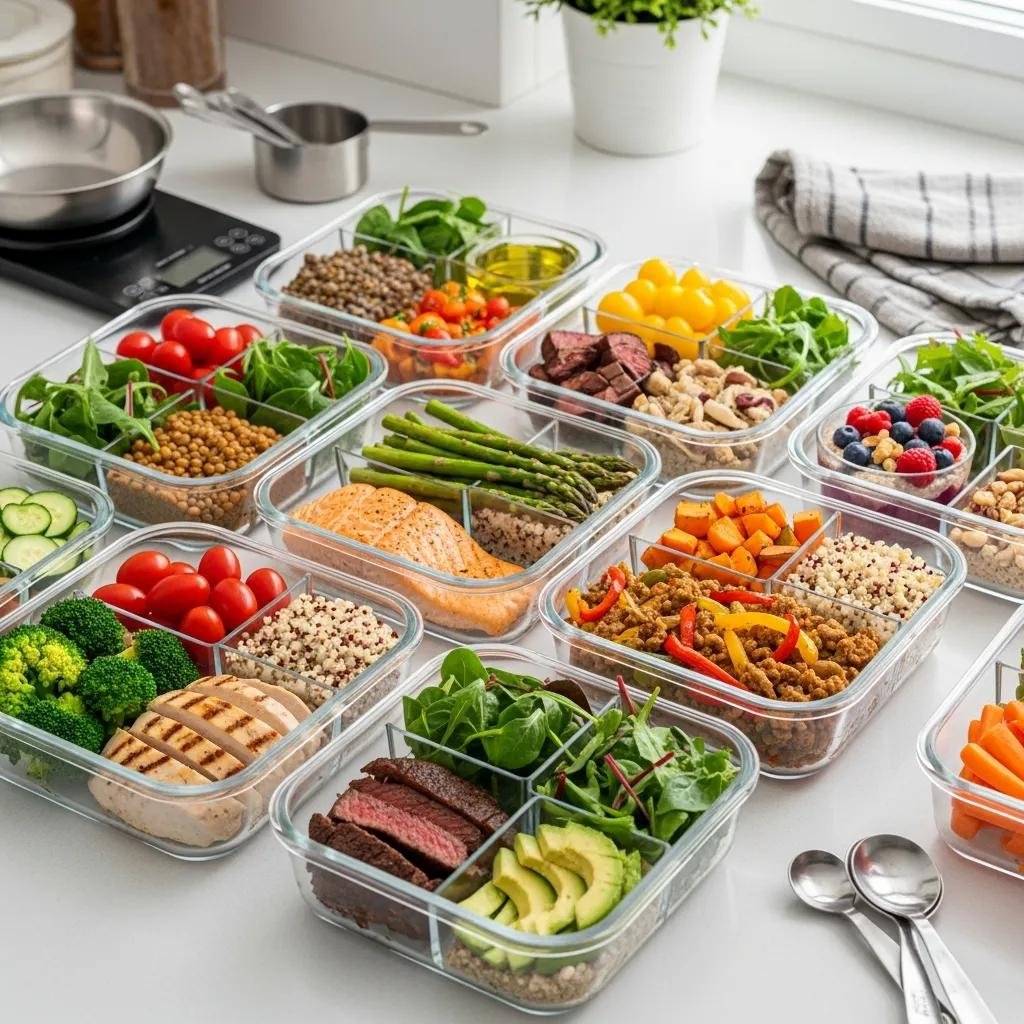
Effective meal planning is essential for ensuring that individuals receive the necessary nutrients to support wound healing. A balanced diet should include a variety of foods that provide essential vitamins, minerals, and macronutrients. Here are some recommendations for meal planning:
- Balanced Meal Composition: Each meal should include a source of protein, healthy fats, and carbohydrates to provide sustained energy and nutrients.
- Frequency of Meals: Eating smaller, more frequent meals can help maintain energy levels and nutrient intake throughout the day.
- Nutrient-Dense Snack Options: Incorporate snacks that are rich in vitamins and minerals, such as nuts, seeds, and fruits, to support overall health.
For those seeking personalized nutrition strategies, partnering with a specialized wound care provider like “Healix 360” can enhance recovery. Healix 360 focuses on integrated, patient-centered treatment solutions, including advanced wound care services and personalized nutrition strategies tailored to individual needs.
Importance of Hydration

Hydration is a critical component of the wound healing process, as it affects skin elasticity and overall tissue health. Adequate fluid intake helps maintain cellular function and supports the transport of nutrients to the wound site. Dehydration can lead to complications, including delayed healing and increased risk of infection.
Indeed, studies consistently show that proper hydration is not only crucial for overall health but also directly impacts the body’s ability to recover from injuries and prevent complications.
Optimizing Injury Recovery: The Role of Nutrition & Hydration
Nutrition and hydration play critical roles in supporting athletic performance, injury prevention, and effective recovery, impacting both amateur and elite athletes. This literature review explores current evidence on nutritional and hydration strategies that promote musculoskeletal health, reduce injury risk, and optimize recovery following injury. The review reveals that hydration plays a critical role in reducing the risk of injury and optimizing recovery. Dehydration is associated with increased muscle fatigue, cramps, and a greater likelihood of heat-related injuries
The role of nutrition and hydration in injury prevention and recovery: a review, 2024
To ensure optimal hydration, individuals should aim to drink at least 8-10 cups of water daily, adjusting for activity level and environmental conditions. Incorporating hydrating fluids such as herbal teas and broths can also support fluid intake.
How Does Hydration Influence Wound Healing and Recovery Timelines?
Hydration influences wound healing by maintaining skin integrity and promoting cellular processes essential for repair. Well-hydrated tissues are more resilient and can better withstand the stresses of healing. Studies have shown that adequate hydration can reduce recovery timelines and improve overall healing outcomes.
Which Hydrating Fluids and Strategies Support Optimal Healing?
To support optimal hydration, consider the following strategies:
- Water: The best source of hydration; aim for at least 8-10 cups daily.
- Herbal Teas: Caffeine-free options can provide hydration and additional antioxidants.
- Broths and Soups: These can contribute to fluid intake while providing essential nutrients.
Incorporating these fluids into daily routines can enhance hydration levels and support the healing process.
What Are the Benefits and Considerations of Dietary Supplements in Wound Care?
Dietary supplements can play a supportive role in wound healing, particularly when dietary intake may be insufficient. Supplements such as protein powders, vitamin C, and zinc can enhance recovery by providing concentrated doses of essential nutrients. However, it is crucial to consult with a healthcare provider before starting any supplementation, as individual needs may vary.
How Do Amino Acid and Anti-inflammatory Supplementation Accelerate Healing?
Amino acid supplementation can accelerate healing by providing the necessary building blocks for protein synthesis and tissue repair. Additionally, anti-inflammatory supplements, such as omega-3 fatty acids, can help reduce inflammation and promote a more efficient healing process. Clinical evidence supports the use of these supplements in specific wound types, highlighting their potential benefits in recovery.
How Can Personalized Nutrition Plans Enhance Wound Healing Outcomes?
Personalized nutrition plans can significantly enhance wound healing outcomes by addressing individual dietary needs and preferences. Factors such as age, gender, activity level, and specific health conditions should be considered when developing a nutrition strategy. Collaborating with healthcare professionals can ensure that dietary choices align with recovery goals.
What Factors Determine Tailored Dietary Strategies for Different Wound Conditions?
Tailored dietary strategies should consider the type of wound, the individual’s nutritional status, and any underlying health conditions. For example, individuals with diabetic wounds may require specific carbohydrate management, while those recovering from surgery may need higher protein intake. Understanding these factors can lead to more effective nutrition plans that support healing.
How Do Multidisciplinary Care Models Integrate Nutrition and Clinical Treatment?
Multidisciplinary care models emphasize the importance of integrating nutrition into clinical treatment for wound healing. Collaboration between healthcare providers, including dietitians, nurses, and physicians, ensures a comprehensive approach to patient care. This integration can lead to improved healing outcomes and a more holistic recovery process.
Which Foods Should Be Included or Avoided to Support Optimal Wound Healing?
Incorporating specific foods into the diet can support optimal wound healing, while others may impede recovery. Foods rich in protein, vitamins, and minerals should be prioritized, while processed foods high in sugar and unhealthy fats should be limited.
What Are the Best Foods Rich in Protein, Vitamins, and Minerals for Recovery?
The following foods are excellent choices for supporting wound healing:
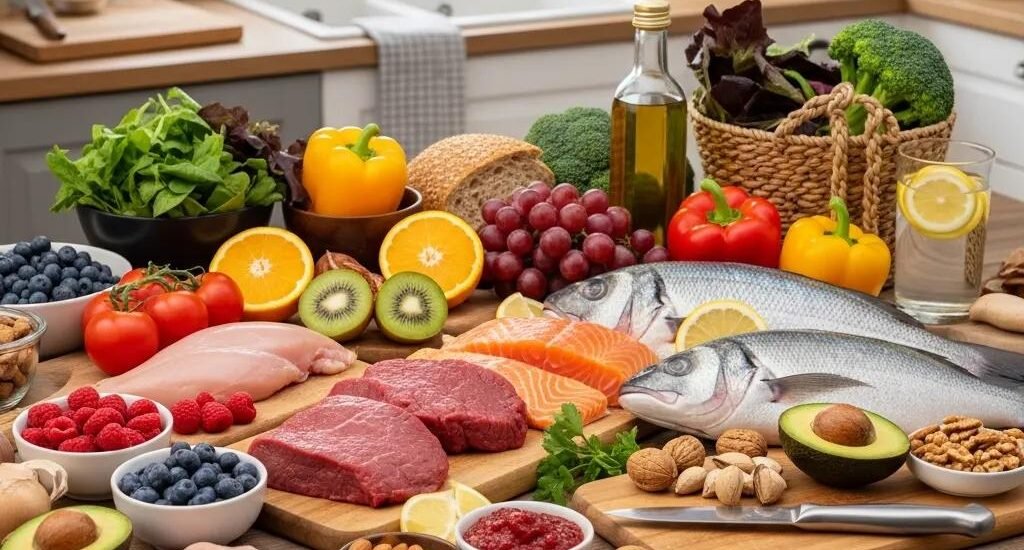
- Lean Meats: Chicken and turkey provide high-quality protein.
- Fish: Salmon is rich in omega-3 fatty acids, which have anti-inflammatory properties.
- Fruits and Vegetables: Berries and leafy greens are high in antioxidants and vitamins.
- Nuts and Seeds: These provide healthy fats and essential nutrients.
Including these foods in daily meals can enhance nutrient intake and support recovery.
Which Foods May Impede Healing and Should Be Limited?
Certain foods can impede the healing process and should be limited, including:
- Processed Foods: High in sugars and unhealthy fats, which can promote inflammation.
- Sugary Beverages: Can lead to spikes in blood sugar and hinder recovery.
- Excessive Alcohol: Can impair immune function and delay healing.
By avoiding these foods, individuals can create a more conducive environment for healing.
This table summarizes the essential nutrients and their roles in wound healing, highlighting the importance of adequate intake for optimal recovery.
To further explore how “different wound conditions” can be managed through specialized care, consider consulting with a healthcare professional.
For more information or to “contact us”, please visit our website.
Individuals seeking a more personalized and comprehensive approach to wound care may benefit from exploring “private residences” that offer specialized services.