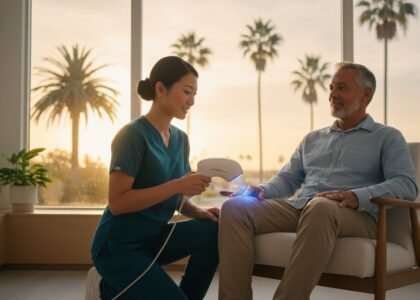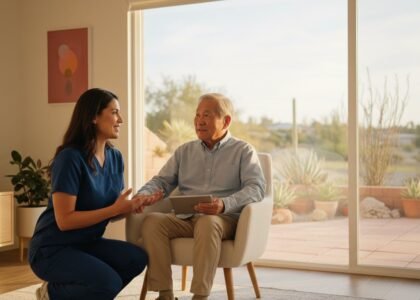


What if the “I’m fine” you hear from your parent is actually the greatest threat to their ability to walk by 2027? You want to protect their autonomy, yet watching a slow-healing wound go untreated feels like waiting for a predictable crisis. It’s exhausting to balance your role as a supportive advocate with the urgent need for clinical intervention, especially when the thought of navigating Los Angeles traffic for a specialist visit causes immediate stress. Learning how to convince parent to get wound care help requires a shift from confrontation to a collaborative vision of their long-term longevity. According to a 2024 report from the Alliance of Wound Care Stakeholders, over 6.7 million Americans currently benefit from advanced wound protocols that preserve limb function and independence. This guide provides a sophisticated framework for these delicate conversations and introduces mobile, high-tech solutions covered by Medicare. You’ll discover how to secure a 360-degree view of their recovery through home-based optimization, ensuring their mobility remains their most valuable asset without the burden of a clinic commute.
Key Takeaways
- Shift the narrative from medical intervention to lifestyle optimization by understanding the emotional drivers behind a senior’s refusal of care.
- Discover how to convince parent to get wound care help through the use of third-party clinical authority and proactive health communication.
- Overcome the logistical barriers of Southern California traffic with premium, mobile wound care services designed for maximum comfort and efficiency.
- Learn how advanced regenerative treatments like amniotic membrane grafts can bypass traditional healing delays to restore your loved one’s mobility.
- Implement a visionary 360-degree health plan that prioritizes longevity and safety while maintaining the patient’s dignity and independence.
Understanding the ‘Why’ Behind Wound Care Refusal in Seniors
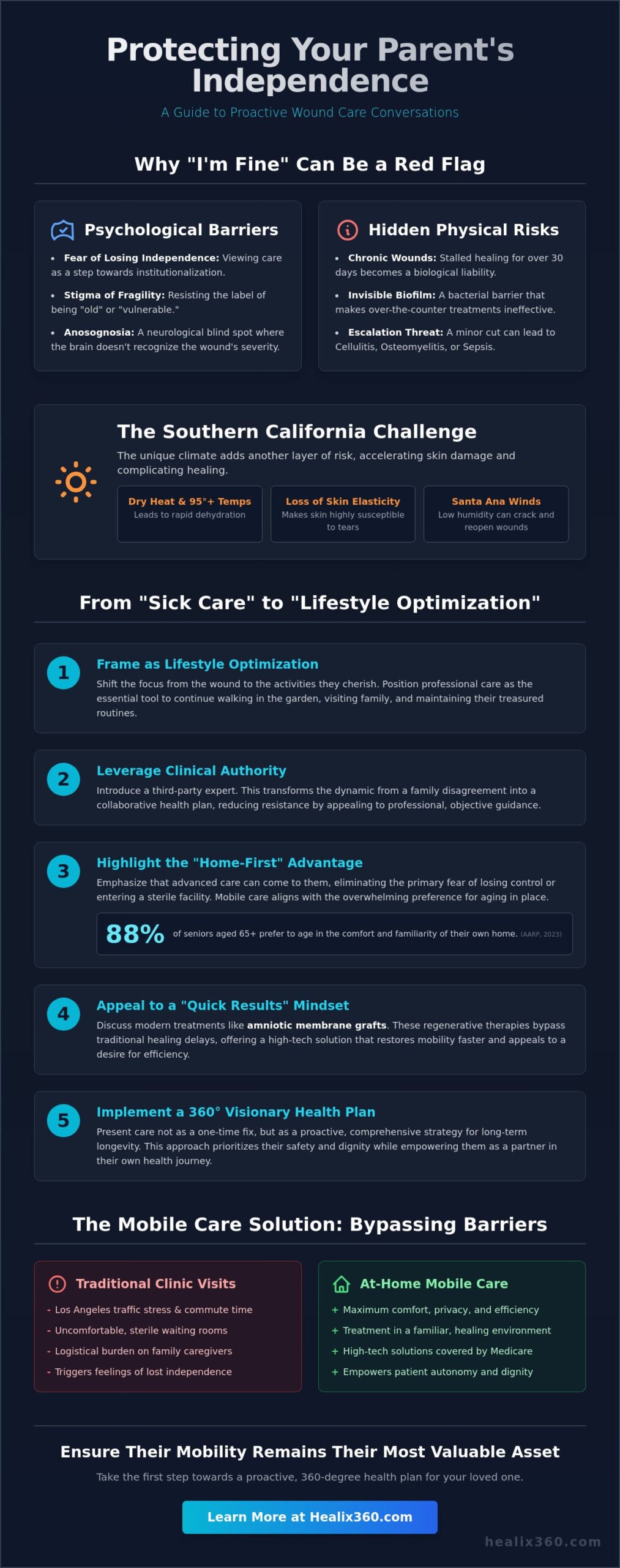
Convincing a parent to accept medical intervention requires more than just logic; it demands an understanding of their psychological landscape. For many seniors in Southern California, the refusal of care stems from a deep-seated fear that admitting a physical vulnerability will lead to a permanent loss of independence. They often view a clinical setting not as a place of healing, but as a gateway to hospital-acquired infections or the social stigma of fragility. This hesitation creates a dangerous friction between their desire for autonomy and the physiological reality of their skin health. When you are navigating how to convince parent to get wound care help, you must first acknowledge that their resistance might actually be anosognosia. This is a neurological condition where the brain lacks the physiological insight to recognize its own physical deficits, making the wound literally invisible to their internal diagnostic system.
Southern California’s unique environment adds another layer of complexity to this refusal. The region often experiences extended periods of dry heat and 95-degree temperatures, which can lead to rapid dehydration in the elderly. Dehydrated skin loses its elastic integrity, making it significantly more susceptible to tears and slow-healing abrasions. The ‘wait and see’ approach is particularly hazardous for metabolic conditions requiring specialized diabetic ulcer treatment, as delayed intervention in a high-heat climate can lead to irreversible tissue loss within a matter of days.
The Hidden Risks of Non-Healing Wounds
Clinical data defines what makes a wound chronic as any lesion that fails to progress through the standard stages of healing within a 30-day window. When a wound stalls, it becomes a biological liability rather than a temporary injury. What begins as a minor scratch can rapidly escalate into cellulitis, osteomyelitis, or life-threatening sepsis if the underlying pathology is ignored. Biofilm is the invisible bacterial barrier that prevents standard bandages and over-the-counter ointments from effectively treating elderly skin.
Why ‘I’m Fine’ is a Dangerous Baseline
Many seniors rely on a ‘tough it out’ mentality forged in a different era of medicine, yet this resilience can be self-defeating when neuropathy is present. Neuropathy, or the loss of peripheral sensation, often leads a parent to believe a wound isn’t serious simply because it doesn’t hurt. In 2026, we understand that the absence of pain is not an indicator of health, but rather a sign of sensory failure. Learning how to convince parent to get wound care help involves explaining that their baseline of ‘feeling fine’ is no longer a reliable biomarker for their actual physical state. This is especially critical for residents with limited mobility during Southern California’s Santa Ana wind events, where low humidity can cause existing wounds to crack and reopen without the patient feeling a single sensation.
5 Proven Strategies to Convince Your Parent to Accept Help
Navigating the delicate balance of parental autonomy requires a shift in perspective. To understand how to convince parent to get wound care help, you must move away from the language of “sick care” and toward “lifestyle optimization.” This transition transforms a medical intervention into a strategy for maintaining independence and vitality. Instead of focusing on the wound itself, frame the conversation around the activities they love. Whether it’s walking through the Huntington Library gardens or staying mobile for a family gathering, professional care is the tool that secures those experiences.
The “Home-First” advantage is your strongest psychological lever. A 2023 AARP survey indicates that 88% of seniors aged 65 and older prefer to age in place. By highlighting that mobile wound care eliminates the need for stressful hospital visits or sterile nursing home environments, you remove the primary fear of losing control. Presenting this as a proactive, 360-degree assessment ensures that clinical experts analyze biomarkers and vascular health before a minor issue escalates into a reactive emergency. This methodology aligns with modern geriatric wound care guidelines, which emphasize early intervention to prevent systemic complications.
Scripts for the ‘Difficult Conversation’
Effective communication relies on “Choice Architecture,” a method where you offer two positive paths that both lead to the desired outcome. Avoid alarmist language that triggers defensive responses. Instead, use a script like this: “I noticed your foot is bothering you, and I’d feel so much better if an expert just took a quick look here at the house. Would you prefer we have someone come by on Tuesday afternoon or Wednesday morning?” This approach grants them agency while ensuring the consultation happens. Focus on your own peace of mind. Tell them, “It would mean a lot to me to know we’re being proactive about your longevity,” which shifts the “burden” of care from them to a gift for the family.
Involving the Professional ‘Lifestyle Architect’
Seniors often respond better to a board-certified specialist than to their own children. This “Third-Party Authority” technique validates their concerns through clinical clarity rather than emotional pleading. A mobile specialist acts as a visionary health architect, translating complex biological data into a clear roadmap for recovery. You can facilitate this by arranging a pre-consultation with a longevity-focused specialist to align on goals before the first home visit. This ensures the specialist arrives not just as a clinician, but as a partner in your parent’s journey toward peak performance and transformative wellness. This professional presence provides the objective evidence needed to move past denial and into a structured plan for healing.
Overcoming the ‘LA Logistics’ Barrier with Mobile Wound Care
Los Angeles traffic isn’t just an inconvenience; it’s a medical deterrent. For a senior in Glendale or West LA, a 15-minute wound check often translates into a three-hour ordeal of idling on the 101 and navigating sterile parking structures. This physical toll often sparks the resistance you’re facing. When learning how to convince parent to get wound care help, you must pivot the conversation from “going to the doctor” to “the doctor coming to you.” This concierge approach removes the logistical friction that fuels their refusal. It transforms a stressful outing into a seamless part of their day.
Our mobile specialists transform the home into a clinical suite, allowing for a 360-degree assessment of the patient’s actual environment. We see the height of the chair that might be causing pressure or the lighting that affects their ability to perform self-care. It’s a deeper level of diagnostic precision that traditional clinics simply cannot match. By choosing a comprehensive guide to mobile wound care, you’re opting for a service that respects their time and their autonomy.
The Comfort of Home-Based Recovery
Home is a sanctuary. It’s also a safer environment for recovery. Bringing advanced care to the bedside eliminates exposure to facility-based pathogens often found in crowded waiting rooms. We utilize a “hospital-at-home” model, deploying sophisticated technologies like Negative Pressure Wound Therapy (NPWT) and bioengineered tissue grafts directly in the living room. For our clients in Beverly Hills and Glendale, this model offers a level of privacy and personalized attention that aligns with a high-end lifestyle.
Understanding how to have tough conversations about health often starts with offering a solution that preserves dignity. By maintaining their daily routine, patients feel empowered rather than institutionalized. This proactive care model ensures that high-level medical concepts feel attainable and non-threatening. You’re not just managing a wound; you’re protecting their quality of life.
Medicare and Insurance: Removing the Financial Objection
Cost is a frequent hidden barrier in these discussions. Healix360 operates as a Medicare Part B provider. This means Medicare often covers 100% of the consultation once the annual deductible is met. It’s a strategic investment in longevity. Mobile care prevents the $15,000 ER visits that occur when a minor ulcer becomes a systemic infection. Specialized treatments, including amniotic grafts for bed sores and ulcers, are frequently covered under these plans.
You aren’t just asking them to get help; you’re helping them optimize their existing benefits to ensure peak performance and long-term vitality. Highlighting that this is a standard Medicare benefit often dissolves the guilt parents feel about “spending” their children’s inheritance or being a financial burden. It’s about leveraging the right tools for a how to convince parent to get wound care help strategy that focuses on clinical excellence and financial logic.
Advanced Treatments That Appeal to the ‘Quick Results’ Mindset
Traditional wound care often feels like a slow, uphill battle. For a parent who values their independence, the prospect of months spent in clinical waiting rooms is a major deterrent. Shifting the focus toward regenerative medicine can change their perspective entirely. These modern therapies don’t just cover a wound; they actively accelerate the biological healing clock. By utilizing amniotic membrane grafts and stem cell therapy, we provide the body with the natural building blocks it no longer produces on its own. This isn’t just about healing; it’s about optimization and returning to a high-quality lifestyle as quickly as possible.
Learning how to convince parent to get wound care help involves highlighting these high-tech shortcuts to recovery. Sharp Debridement, for instance, is a necessary step that resets a non-healing wound for peak performance. By removing stalled tissue, we clear the path for advanced bio-engineered skin substitutes to work their magic. These substitutes can provide a one-visit impact for chronic ulcers, offering a level of clinical precision that old-fashioned bandaging simply cannot match.
Regenerative Science vs. Traditional Bandaging
The “wait and see” method is a relic of the past. Healix360 utilizes an active intervention strategy that moves beyond basic gauze and tape. We use amniotic allografts, which function as a biological scaffold to recruit the body’s own healing cells. Research indicates that skin substitutes can reduce healing time by up to 50% compared to standard care. This efficiency is a powerful selling point for a parent who wants to get back to their daily routine without the burden of a chronic injury.
Modern Diagnostics at the Bedside
Precision is the cornerstone of our 2026 care model. We bring the laboratory to the living room, performing wound culture and sensitivity testing at home. This data-driven approach ensures that antibiotic use is targeted and effective, rather than based on guesswork. For complex surgical wounds, we often implement Negative Pressure Wound Therapy, also known as a Wound VAC. This technology uses controlled suction to remove excess fluid and promote blood flow, acting as a high-tech assistant to the body’s natural repair mechanisms.
- Amniotic Grafts: Provide essential growth factors to restart the healing process.
- Wound VAC: Manages drainage while stimulating tissue granulation.
- Precision Antibiotics: Eliminates infections based on specific bacterial biomarkers.
This “High-Tech, High-Touch” approach reassures your parent that they aren’t just getting another bandage. They are receiving a sophisticated, personalized roadmap to longevity. When you explain how to convince parent to get wound care help through the lens of elite science, the conversation shifts from a medical necessity to a lifestyle upgrade.
Discover how our regenerative protocols can transform the recovery journey by exploring our comprehensive wound care services today.
Healix360: Your Partner in Southern California Senior Longevity
Healix360 operates at the intersection of advanced biological science and personalized home delivery. Our mission transcends basic wound management; we serve as visionary health architects for seniors throughout Los Angeles and Glendale. By merging clinical mastery with a compassionate, mobile model, we eliminate the logistical friction of medical transport. This approach often provides the necessary leverage when you are deciding how to convince parent to get wound care help, as it reframes the conversation from a clinical chore to a premium lifestyle optimization.
Our methodology relies on a 360-degree view of patient health. We don’t just treat the surface injury. Our specialists analyze specific biomarkers and evaluate home safety metrics to ensure a holistic recovery environment. This data-driven precision allows us to address the root causes of non-healing wounds, such as vascular insufficiency or nutritional gaps, ensuring that every intervention supports long-term vitality.
The Healix360 Difference in Southern California
Our network consists of board-certified specialists who focus exclusively on serving L.A. County residents. We coordinate with your parent’s existing home health agencies and primary care physicians to create a unified, data-driven front against chronic illness. Our primary objective remains the aggressive prevention of amputations. We achieve this through rigorous adherence to evidence-based protocols and cutting-edge diagnostics. By focusing on total-body health, we help seniors maintain their independence in the homes they love.
Next Steps: Booking a Bedside Evaluation
Initiating professional care is a streamlined process designed for busy families. A single phone call connects you with our intake team. We typically schedule a professional assessment within 48 to 72 hours of the initial contact. This first visit offers a distinct concierge feel. It is thorough, unhurried, and led by experts who value the patient’s dignity as much as their clinical data.
This professional introduction is often the most effective way to resolve the challenge of how to convince parent to get wound care help. Once a parent experiences the caliber of our mobile team, the resistance often fades into a sense of relief. Empower your parent to reclaim their vitality with Southern California’s leaders in mobile wound care. You can initiate this transformative recovery process today by requesting a consultation with our clinical team.
Empowering Your Family’s Path to Long-Term Vitality
Choosing the right approach transforms a medical hurdle into a shared journey toward longevity. Resistance often stems from a fear of lost independence, but modern mobile care removes these emotional and physical barriers. With chronic wounds affecting over 6.7 million seniors nationwide according to recent clinical data, specialized intervention is a necessity for maintaining peak performance. Understanding how to convince parent to get wound care help is simpler when you replace the stress of clinic visits with high-end, bedside expertise. Our data-driven methodology ensures that healing is both efficient and sustainable.
Healix360 serves as a dedicated Medicare Part B provider, bringing board-certified wound specialists directly to homes across Southern California. We specialize in amputation prevention and utilize advanced regenerative medicine to drive transformative results for our patients. This 360-degree view of health allows us to act as your parent’s personal health architect; we ensure every detail of their recovery is meticulously managed. You don’t have to navigate this complex process alone.
Schedule a Professional Bedside Wound Evaluation with Healix360 Today
Taking this first step is a powerful act of care that preserves your parent’s quality of life and future independence.
Frequently Asked Questions
What do I do if my parent refuses to let a doctor into the house?
Shift the conversation from a clinical intervention to a partnership for longevity. Focus on their autonomy by explaining that 90% of seniors prefer maintaining independence at home according to AARP research. Frame the visit as a wellness optimization session rather than a standard medical appointment. By positioning Healix360 as a tool for preserving their current lifestyle, you remove the patient stigma and focus on their personal empowerment.
Does Medicare Part B cover mobile wound care visits in California?
Medicare Part B typically covers 80% of the allowable amount for medically necessary wound care services provided by a specialist at home. The 2026 CMS guidelines prioritize aging in place initiatives, which include these mobile clinical services. You’ll likely be responsible for the remaining 20% unless your parent has supplemental insurance. This coverage ensures that elite medical care remains accessible for those who prioritize their long-term health and physical integrity.
Is mobile wound care as effective as going to a specialized wound center?
Mobile wound care is equally effective and often leads to better outcomes by reducing exposure to hospital-acquired infections. Data from the Journal of Clinical Medicine shows that home-based care reduces 30-day readmission rates by 25%. We bring the same surgical-grade technology found in centers directly to your living room. This approach integrates medical precision with the comfort of a personal environment, creating a foundation for faster, more sustainable healing.
How quickly can a Healix360 specialist visit my parent in Glendale or Los Angeles?
A Healix360 specialist can typically arrive at your residence in Glendale or Los Angeles within 24 to 48 hours of your initial consultation. We prioritize rapid intervention to prevent minor issues from becoming complex biological challenges. Our logistics team optimizes routes daily to ensure we meet the urgent needs of the Southern California community. This speed is essential for maintaining the integrity of the healing process and achieving transformative results.
What are the early warning signs that a wound has become a medical emergency?
Look for a fever over 101 degrees Fahrenheit, foul odors, or redness spreading more than 2 centimeters from the wound edge. These biomarkers indicate a systemic infection that requires immediate attention. If you see these signs while figuring out how to convince parent to get wound care help, you must act quickly. Ignoring these signals can lead to a 50% increase in the risk of hospitalization or more severe health complications.
Can Healix360 work with my parent’s existing home health nurse?
We actively collaborate with your existing home health team to create a 360-degree care plan. Our specialists provide the advanced surgical debridement and diagnostic oversight that standard nursing services don’t always offer. This integrative approach ensures that every member of the care team is aligned with your parent’s longevity goals. We share data and progress reports to maintain a seamless continuum of care, acting as your visionary health architects.
What advanced treatments like skin substitutes are available for use at home?
We utilize FDA-approved cellular and tissue-based products, commonly known as skin substitutes, to accelerate the healing of chronic wounds. These bio-engineered grafts provide a scaffold for new tissue growth and have shown a 70% success rate in closing stubborn ulcers. Bringing this high-tech regenerative medicine into the home allows for peak performance healing. It’s a transformative alternative to traditional bandages that often fail to address deep tissue repair and cellular optimization.
How do I explain the cost of wound care to a parent on a fixed income?
Focus on the long-term financial preservation that comes from preventing expensive hospital stays. A single ER visit for a wound infection can cost upwards of $2,500 according to 2025 healthcare cost reports. By investing in proactive, mobile care now, you’re protecting their savings from the catastrophic costs of emergency surgery or long-term facility care. It’s a strategic move to ensure both their financial stability and their physical longevity over the coming years.