
Compression Therapy for Wound Healing: Mobile Care Solutions for Effective Venous Leg Ulcer Treatment
Compression therapy is a vital treatment modality for wound healing, particularly for conditions like venous leg ulcers. This therapy involves applying controlled pressure to the affected area, which enhances blood circulation and promotes healing. In this article, we will explore the various techniques of compression therapy, the benefits of mobile care solutions, and how they improve patient outcomes. Many patients struggle with accessing timely and effective wound care, which can lead to complications and prolonged healing times. Mobile care solutions, such as those offered by specialized providers, address these challenges by delivering advanced therapies directly to patients’ homes. We will delve into the mechanisms of compression therapy, the conditions it benefits, and the advantages of mobile wound care solutions.
Effective Treatment Techniques
Compression therapy serves as a cornerstone treatment for venous leg ulcers, employing various techniques to optimize healing. Key methods include graduated compression bandages, which apply varying levels of pressure to enhance venous return. Additionally, the importance of debridement cannot be overstated, as it removes necrotic tissue and promotes a healthy wound environment. The use of biologic dressings further supports healing by providing a moist environment conducive to tissue regeneration. Understanding these techniques is essential for effective wound management and improving patient outcomes.
Research consistently highlights the critical role of compression garments in the effective management of venous leg ulcers.
Compression Garments: Main Treatment for Venous Leg Ulcers
Leg ulcers arising from venous problems are called venous (varicose or stasis) ulcers. The main treatment has been a firm compression garment (bandage or stocking) in order to aid venous return. There is a large number of compression garments available and it is unclear whether they are effective in treating venous ulcers and which compression garment is the most effective.
Compression for venous leg ulcers, NA Cullum, 2009
Benefits of Mobile Care Solutions
Mobile care solutions offer numerous advantages for patients requiring wound care, particularly those with venous leg ulcers. These benefits include:
- Convenience of In-Home Care: Patients receive treatment in the comfort of their homes, reducing the need for travel and associated stress.
- Improved Adherence to Treatment: With healthcare professionals visiting patients directly, adherence to prescribed therapies increases, leading to better outcomes.
- Early Complication Detection: Regular visits allow for timely identification of potential complications, enabling prompt intervention.
The integration of mobile care solutions not only enhances patient experience but also contributes to more effective management of chronic wounds.
Studies have shown that mobile interventions can significantly improve patient compliance with compression therapy, leading to better healing outcomes.
Mobile Reminders Boost Compression Therapy Adherence for Venous Leg Ulcers
Patient adherence to wearing compression stockings in the management of chronic venous insufficiency and venous leg ulcers is often poor. Interventions such as mobile phone text reminders increased adherence from 33% to 67% in one study, highlighting the potential of mobile care solutions.
Improving adherence to wearing compression stockings for chronic venous insufficiency and venous leg ulcers: a scoping review, D Marks, 2021
Patient Outcomes
Patients receiving mobile wound care often experience significantly improved outcomes. The combination of personalized care and advanced treatment techniques leads to faster healing rates and reduced hospital visits. Moreover, patients report enhanced quality of life due to the convenience and effectiveness of mobile care solutions. This approach not only addresses the physical aspects of wound healing but also supports the emotional well-being of patients by providing them with consistent and compassionate care.
What is Compression Therapy and How Does It Facilitate Advanced Wound Healing?
Compression therapy is a medical treatment that involves applying pressure to a wound or affected area to improve blood flow and promote healing. This therapy works by enhancing venous return, which reduces swelling and encourages the body’s natural healing processes. The specific benefits of compression therapy for venous leg ulcers include faster healing, reduced pain, and fewer recurrences of ulcers. Clinical evidence supports the efficacy of compression therapy, demonstrating significant improvements in healing rates and patient satisfaction.
Definition:
Compression therapy is defined as the application of controlled pressure to the limbs or body to improve circulation and facilitate wound healing. It is commonly used in the treatment of venous leg ulcers and other chronic wounds.
Mechanisms of Action:
The mechanisms by which compression therapy operates include enhancing venous return and reducing edema. By applying pressure to the affected area, blood flow is improved, which helps to deliver essential nutrients and oxygen to the tissues. This process is crucial for effective wound healing and recovery.
Benefits for Venous Leg Ulcer Treatment:
Compression therapy offers several specific benefits for the treatment of venous leg ulcers:
- Faster Healing: By improving blood circulation, compression therapy accelerates the healing process.
- Less Pain: Patients often experience reduced pain levels due to decreased swelling and improved blood flow.
- Fewer Recurrences: Regular use of compression therapy can help prevent the recurrence of ulcers, leading to better long-term outcomes.
Clinical Evidence Supporting Efficacy:
Numerous clinical studies have demonstrated the efficacy of compression therapy in treating venous leg ulcers. Research indicates that patients receiving compression therapy experience higher healing rates compared to those receiving standard care. Additionally, the reduction in recurrence rates highlights the long-term benefits of this treatment modality.
Which Conditions Benefit from Mobile Compression Therapy Services?
Mobile compression therapy services are beneficial for a variety of conditions, including:
- Chronic Venous Insufficiency: This condition leads to poor blood flow in the veins, making compression therapy essential for management.
- Obesity: Patients with obesity often experience complications related to wound healing, making mobile care solutions vital.
- Diabetes: Individuals with diabetes are at higher risk for chronic wounds, and mobile therapy can provide timely interventions.
Venous Leg Ulcer Treatment and Compression Bandaging Techniques
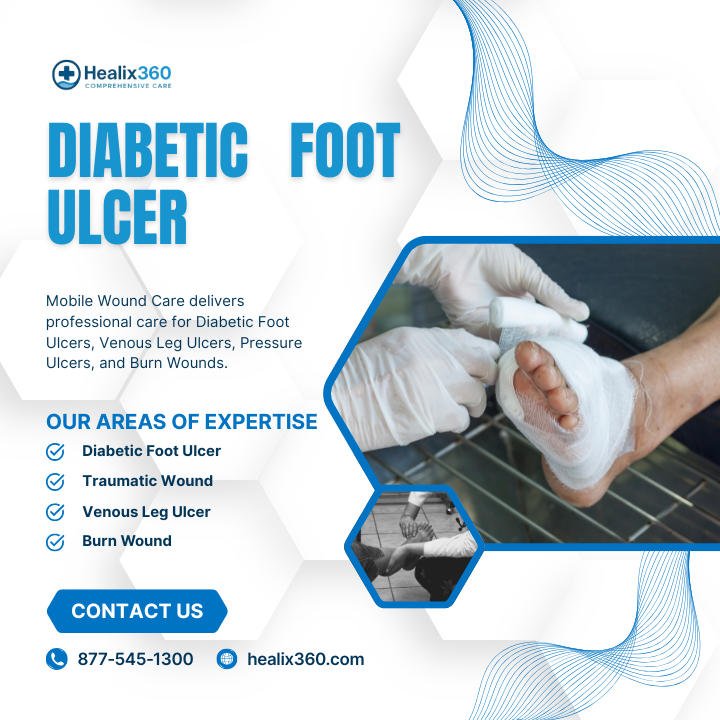
Effective treatment of venous leg ulcers often involves the use of compression bandaging techniques. These techniques are crucial for managing swelling and promoting healing. The importance of proper bandaging cannot be overstated, as it directly impacts the effectiveness of the treatment. Techniques such as layering and adjusting pressure levels are essential for achieving optimal results.
What Are the Advantages of Mobile Wound Care Solutions for Patients?
Mobile wound care solutions provide several advantages that enhance patient care:
- Improved Accessibility: Patients can access specialized care without the need for travel, making it easier to receive timely treatment.
- Convenience: In-home care allows for a more comfortable treatment experience, reducing anxiety and stress.
- Enhanced Healing Outcomes: The combination of personalized care and advanced treatment techniques leads to better healing rates and overall patient satisfaction.
How Can Healthcare Providers Facilitate Patient Referrals and Appointment Scheduling?
Healthcare providers play a crucial role in facilitating patient referrals and appointment scheduling for mobile wound care services. The initial contact process should be streamlined to ensure that patients receive timely assessments and personalized treatment plans. Comprehensive assessments are essential for determining the most effective course of action for each patient.
Streamlining the Patient Referral Process for Mobile Compression Therapy
To optimize the patient referral process for mobile compression therapy, healthcare providers should focus on:
- Initial Contact and Information Gathering: Efficiently collecting patient information to facilitate timely assessments.
- Comprehensive Assessment: Conducting thorough evaluations to determine the best treatment options.
- Personalized Treatment Planning: Developing tailored care plans that address individual patient needs.
Optimizing Appointment Scheduling for Enhanced Care Delivery
Effective appointment scheduling is vital for enhancing care delivery in mobile wound care. Strategies for optimizing scheduling include:
- Streamlined Referral Process: Ensuring that referrals are processed quickly to minimize delays in treatment.
- Centralized Scheduling System: Implementing a centralized system to manage appointments efficiently.
- Telehealth Integration: Utilizing telehealth options to provide consultations and follow-ups, improving accessibility for patients.
Beyond scheduling, integrating digital platforms and advanced compression technologies further revolutionizes mobile wound care by improving accessibility and patient engagement.
Digital Platforms & Advanced Compression for Wound Care
Digital platforms—including telehealth services, mobile applications, and virtual rehabilitation programs—improve accessibility, enhance patient engagement, and promote sustained adherence over time. Cutting-edge compression modalities, such as sensor-equipped garments, adaptive pneumatic systems, and vibration-assisted apparatus, deliver dynamic, feedback-informed therapeutic interventions.
Technology-enhanced compression and AI-integrated lymphedema care: a narrative review, AG Atiaa, 2025
What Opportunities Exist for Provider Partnerships in Mobile Compression Therapy?
Provider partnerships in mobile compression therapy can enhance service delivery and patient outcomes. Opportunities for collaboration include:
- Convenience and Accessibility: Partnering with local healthcare providers to improve access to mobile services.
- Personalized Care Plans: Collaborating to develop individualized treatment plans that cater to specific patient needs.
- Interdisciplinary Collaboration: Working with various healthcare professionals to ensure comprehensive care for patients.
To learn more about how we can help, contact us today to discuss potential partnerships and how we can work together to improve patient outcomes.
How Does Insurance and Medicare Coverage Support Mobile Compression Therapy Services?
Insurance and Medicare coverage play a significant role in supporting mobile compression therapy services. Medicare Part B covers certain home health services, including mobile wound care, which can alleviate the financial burden on patients. Additionally, coverage for durable medical equipment ensures that patients have access to necessary supplies for effective treatment.
If you’re interested in learning more about the conditions we treat, visit our conditions page.