
Chronic Wound Care at Home: Expert Strategies for Long-Term Wound Healing and Management
Effective chronic wound care is essential for patients managing long-term wounds such as diabetic foot ulcers and pressure ulcers. With millions affected worldwide, proper home wound care strategies can significantly improve healing outcomes and quality of life. This comprehensive guide explores evidence-based approaches to chronic wound management at home, emphasizing practical tips, advanced treatment options, and the critical role of professional mobile wound care services. Whether you are a patient, caregiver, or healthcare provider, understanding these strategies is key to promoting long-term wound healing and preventing complications.
Best Practices for Chronic Wound Care at Home: Essential Home Wound Care Strategies
Implementing effective chronic wound care routines at home is vital for accelerating healing and reducing infection risks. Establishing consistent daily care helps monitor wound progress and address issues promptly. Key home wound care strategies include:
- Daily Cleaning: Use sterile saline or mild soap to gently cleanse the wound, removing debris and reducing bacterial load.
- Regular Dressing Changes: Change dressings as recommended to maintain a moist, clean environment conducive to tissue regeneration.
- Infection Monitoring: Vigilantly observe for signs of infection such as increased redness, swelling, warmth, or purulent discharge.
Adhering to these practices supports long-term wound healing and prevents complications. For comprehensive home wound care supplies tailored to chronic wounds, Healix 360 offers a wide range of professional-grade products designed to support effective management.
Advanced Treatment Options for Chronic Wound Management and Diabetic Wound Treatment
Chronic wounds require tailored treatment approaches based on wound type and patient needs. Effective options include:
- Moist Wound Healing: Maintaining a moist wound environment with hydrocolloid or foam dressings promotes faster epithelialization and reduces scarring.
- Negative Pressure Wound Therapy (NPWT): This advanced modality applies controlled suction to remove exudate and stimulate granulation tissue, especially beneficial for complex or large wounds.
- Topical Agents: Antimicrobial ointments and growth factor gels help control infection and enhance tissue repair.
For patients seeking innovative solutions aligned with these evidence-based treatments, Healix 360 provides cutting-edge wound care products optimized for home use.
Evidence-Based Home Treatment Protocols for Diabetic Wound Treatment
Managing diabetic wounds at home demands strict adherence to clinical protocols to prevent infection and promote healing. Key evidence-based steps include:
- Daily Wound Cleaning and Dressing: Use sterile techniques to clean and protect the wound from contamination.
- Blood Glucose Control: Maintaining stable blood sugar levels is critical to enhance immune function and tissue repair.
- Regular Medical Follow-Ups: Schedule consistent evaluations with healthcare providers to monitor wound progression and adjust treatment.
Following these protocols improves healing rates and reduces the risk of severe complications such as amputation.
Comprehensive reviews emphasize the necessity of evidence-based strategies in chronic wound management to optimize patient outcomes.
Evidence-Based Strategies for Chronic Wound Management
The care and management of patients with chronic wounds and their far-reaching effects challenge both the patient and the practitioner. Further complicating this situation is the paucity of evidence-based treatment strategies for chronic wound care. After searching both MEDLINE and Cochrane databases, we reviewed currently available articles concerning chronic wound care. Utilizing this information, we have outlined a review of current, evidence-based concepts as they pertain to the treatment of chronic wounds, focusing on fundamental treatment principles for the management of venous, arterial, diabetic, and pressure ulcers. Individualized treatment options as well as general wound management principles applicable to all varieties of chronic wounds are described.
Evidence-based management strategies for treatment of chronic wounds, 2009
Patient Education for Effective Chronic Wound Care and Pressure Ulcer Management
Empowering patients through education is a cornerstone of successful chronic wound care. Understanding wound physiology and care techniques enables patients to actively participate in their healing journey. Essential educational components include:
- Symptom Recognition: Training patients to identify early signs of infection or deterioration.
- Self-Care Techniques: Instruction on proper wound cleaning, dressing changes, and lifestyle modifications.
- Emotional and Psychological Support: Providing resources to address the emotional challenges associated with chronic wounds.
Educated patients demonstrate higher adherence to care plans, leading to improved long-term wound healing.
Caregiver Support: Training and Resources for Home Pressure Ulcer Management
Caregivers are integral to the success of home-based chronic wound management. Their role includes providing daily care, monitoring, and emotional support. Effective caregiver support involves:
- Comprehensive Training: Instruction on wound assessment, dressing techniques, and infection control.
- Communication with Healthcare Teams: Ensuring caregivers are informed about treatment updates and patient status.
Providing caregivers with adequate resources enhances care quality and patient outcomes.
Recognizing the complexity of home wound care, professional training programs are essential for family caregivers.
Training Family Caregivers for Home Wound Care
Providing wound care at home can be a complex task for family caregivers, who often lack formal training in wound assessment and treatment. This article provides an overview of methods to use in preparing these caregivers to perform wound care, which includes basic assessment and treatment of acute postoperative or chronic wounds.
Teaching wound care to family caregivers: an overview of methods to use to promote wound healing, 2022
Technology in Chronic Wound Care: Enhancing Home Wound Care Strategies
The integration of technology has transformed chronic wound care by enabling remote monitoring and personalized management. Key technological advancements include:
- Telehealth Consultations: Allow patients to receive expert advice and wound assessments without leaving home, improving access to care.
- Mobile Health Applications: Apps facilitate tracking wound progress, scheduling dressing changes, and providing educational resources.
These tools enhance patient engagement and enable timely interventions, which are critical for long-term wound healing. Additionally, professional mobile wound care services, such as those offered by Healix 360, provide in-home expert care, combining technology with clinical expertise for optimal outcomes.
Understanding Chronic Wounds: Types, Clinical Characteristics, and the Importance of Home Care
Chronic wounds are wounds that fail to progress through the normal healing stages within an expected timeframe, often due to underlying conditions such as diabetes or vascular disease. Effective home wound care strategies are essential to manage these wounds and prevent complications. Common types include:
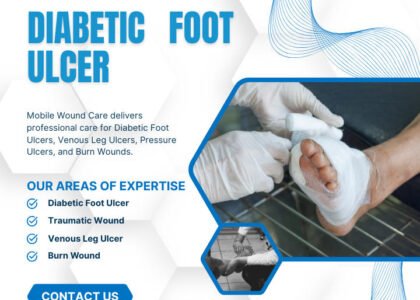
- Diabetic Foot Ulcers: Result from neuropathy and poor circulation in diabetic patients, requiring specialized diabetic wound treatment.
- Pressure Ulcers: Caused by prolonged pressure on the skin, especially in immobile individuals, necessitating diligent pressure ulcer management.
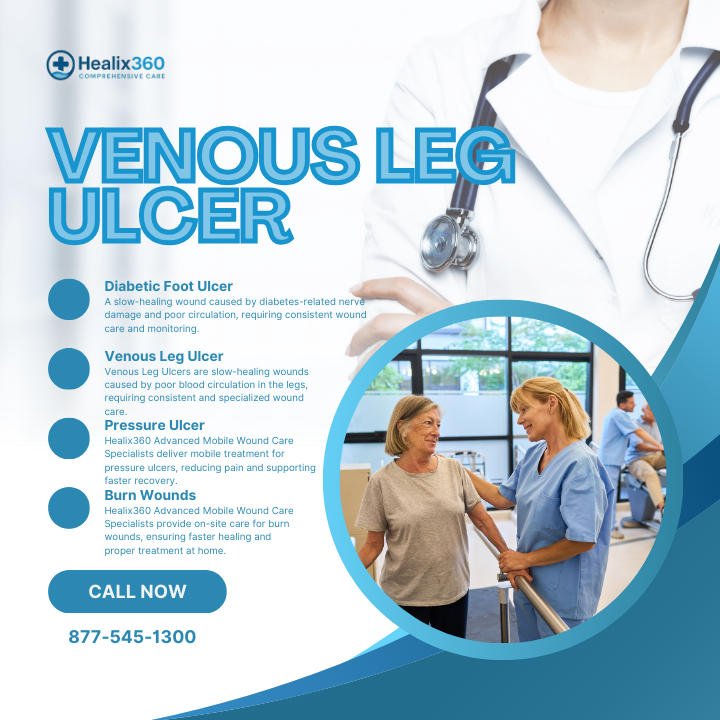
- Venous Leg Ulcers: Arise from venous insufficiency leading to poor blood return and skin breakdown.
Recognizing these wound types and their clinical features is critical for tailoring effective treatment plans.
Evidence-Based Chronic Wound Management in Home Care
This article describes the evidence-based management of chronic wounds in either clinic or home care settings. Only the primary wound (identified according to study protocol) was included in the analysis. The most common wound types were venous ulcers, diabetic ulcers, and pressure ulcers.
Evidence-based management of chronic wounds, K Fennie, 2007
Key Elements of Effective Home Management for Chronic Wound Care and Pressure Ulcer Management
Successful chronic wound management at home depends on several critical factors:
- Personalized Care Plans: Customized treatment regimens based on wound type, size, and patient health status.
- Consistent Monitoring: Regular assessment to detect early signs of infection or deterioration.
- Patient Empowerment: Educating patients to take an active role in their care enhances adherence and outcomes.
Focusing on these elements supports long-term wound healing and reduces hospital readmissions.
Safe and Effective Diabetic Wound Treatment at Home: Strategies for Diabetic Foot Ulcers
Managing diabetic foot ulcers safely at home requires a multifaceted approach:
- Daily Wound Cleaning: Use sterile saline to cleanse the ulcer and prevent bacterial colonization.
- Appropriate Dressing Selection: Employ moisture-retentive dressings that protect the wound and promote healing.
- Infection Control: Monitor for infection signs and seek medical advice promptly if symptoms arise.
These strategies are vital to prevent complications such as cellulitis or osteomyelitis.
Recognizing Diabetic Foot Ulcer Stages and Symptoms for Timely Intervention
Early identification of ulcer stages improves treatment success. Key signs include:
- Stage 1: Redness, swelling, or warmth indicating inflammation.
- Stage 2: Open sores or blisters with increased pain or drainage.
- Advanced Stages: Necrotic tissue, foul odor, or systemic symptoms signaling infection.
Prompt recognition facilitates early treatment and better healing outcomes.
Best Practices for Pressure Ulcer Management and Prevention at Home
Effective pressure ulcer management involves proactive prevention and treatment strategies:
- Regular Repositioning: Change patient position every two hours to alleviate pressure.
- Skin Care: Maintain skin hygiene and moisture balance to prevent breakdown.
- Nutrition Support: Ensure adequate protein and micronutrient intake to support tissue repair.
Implementing these practices reduces the incidence and severity of pressure ulcers.
Identifying Pressure Ulcer Stages and Risk Factors for Targeted Management
Understanding ulcer stages aids in appropriate intervention:
- Stage 1: Non-blanchable erythema of intact skin.
- Stage 2: Partial-thickness skin loss presenting as a shallow ulcer.
- Stage 3: Full-thickness tissue loss exposing fat.
Risk factors such as immobility, poor nutrition, and moisture increase vulnerability and should be addressed.
Home Care Techniques for Pressure Ulcer Prevention and Treatment
Key techniques include:
- Daily Skin Assessments: Monitor for early signs of pressure damage.
- Use of Advanced Dressings: Apply hydrocolloid or foam dressings to protect and promote healing.
These methods are essential for maintaining skin integrity and preventing ulcer progression.
Advanced Wound Healing Products Supporting Chronic Wound Care and Pressure Ulcer Management at Home
Utilizing advanced wound care products can enhance healing efficiency. Recommended options include:
- Biologic Dressings: Provide growth factors and a moist environment to stimulate tissue regeneration.
- Negative Pressure Wound Therapy Devices: Facilitate exudate removal and promote granulation tissue formation.
- Moisture-Retentive Dressings: Maintain optimal hydration levels critical for cell migration and repair.
Incorporating these products into home care regimens can improve healing rates and patient comfort.
Types of Moist Wound Dressings and Their Clinical Benefits
Understanding dressing types helps optimize wound management:
- Hydrocolloid Dressings: Ideal for shallow wounds, providing a protective, moist environment.
- Foam Dressings: Absorb excess exudate and cushion the wound.
- Alginate Dressings: Highly absorbent, suitable for moderate to heavily exuding wounds.
Selecting the appropriate dressing type is crucial for effective chronic wound care.
Innovations in Home-Use Negative Pressure Wound Therapy Devices
Recent advancements have made NPWT devices more accessible for home use, featuring:
- Portability: Lightweight and compact designs facilitate patient mobility.
- User-Friendly Interfaces: Simplified controls enable easy operation by patients and caregivers.
- Enhanced Healing Outcomes: Clinical studies demonstrate faster wound closure and reduced infection rates with home NPWT.
These innovations are revolutionizing chronic wound management outside clinical settings.
Preventing Infection During Chronic Wound Care at Home: Essential Hygiene and Safety Practices
Infection prevention is paramount in chronic wound care. Key measures include:
- Hand Hygiene: Thorough handwashing before and after wound care to minimize contamination.
- Use of Personal Protective Equipment (PPE): Gloves and masks protect both patient and caregiver.
- Safe Disposal of Medical Waste: Properly discard used dressings and materials to reduce infection risk.
Adhering to these protocols significantly lowers infection incidence.
Early Recognition of Wound Infection Signs for Prompt Intervention
Monitoring for infection is critical. Watch for:
- Increased Redness, Swelling, and Warmth: Indicators of inflammation.
- Foul Odor and Unusual Drainage: Suggest bacterial colonization.
- Systemic Symptoms: Fever or increased pain may indicate spreading infection.
Timely detection enables early treatment and prevents complications.
Home-Based Infection Control Measures and Hygiene Practices
Effective infection control at home includes:
- Regular Wound and Surrounding Skin Cleaning: Maintain cleanliness to prevent microbial growth.
- Patient and Caregiver Education: Training on hygiene and infection prevention techniques.
- Continuous Monitoring: Assess wound changes and report concerns promptly.
These practices create a safe environment conducive to healing.
Top Home Care Tips to Enhance Long-Term Wound Healing and Chronic Wound Management
Optimizing long-term wound healing requires a holistic approach. Key tips include:
- Establish Daily Wound Care Routines: Consistency in cleaning, dressing changes, and monitoring is essential.
- Focus on Nutrition and Lifestyle: Adequate protein, hydration, and physical activity support tissue repair and circulation.
- Empower Patients Through Education: Knowledge fosters independence and proactive management.
Implementing these strategies leads to improved healing outcomes and quality of life.
Daily Wound Care Routines and Patient Empowerment Strategies
Effective routines include:
- Consistent Cleaning and Dressing Changes: Maintain a moist, clean wound environment.
- Symptom Monitoring: Track changes to detect complications early.
Patient education enhances adherence and confidence in self-care.
Nutrition, Mobility, and Lifestyle Factors Supporting Chronic Wound Healing
Key factors include:
- Protein Intake: Essential for collagen synthesis and tissue regeneration.
- Hydration: Supports cellular function and skin elasticity.
- Regular Mobility: Improves blood flow and oxygen delivery to tissues.
Addressing these factors accelerates healing and reduces recurrence risk.
Enhance Your Chronic Wound Care with Healix 360’s Mobile Wound Care Services
For patients seeking expert, personalized chronic wound care at home, Healix 360 offers professional mobile wound care services. Our specialized team provides in-home assessments, advanced treatment applications, and ongoing support to optimize diabetic wound treatment and pressure ulcer management. Experience the convenience and clinical excellence of mobile wound care designed to promote long-term wound healing and improve your quality of life.
Frequently Asked Questions About Chronic Wound Care at Home
What are the most effective home wound care strategies for chronic wounds?
Effective strategies include daily wound cleaning with sterile saline, regular dressing changes using moisture-retentive dressings, vigilant infection monitoring, and maintaining a healthy lifestyle with proper nutrition and mobility.
How can diabetic wounds be safely treated at home?
Diabetic wounds require strict blood sugar control, daily wound cleaning, appropriate dressing selection, and regular medical follow-ups. Early recognition of infection signs is critical to prevent complications.
What are the best practices for pressure ulcer management at home?
Preventing pressure ulcers involves frequent repositioning, skin care to maintain moisture balance, nutritional support, and use of advanced dressings. Regular skin assessments help detect early signs of pressure damage.
How does technology improve chronic wound care?
Telehealth and mobile health applications enable remote monitoring, timely consultations, and patient education, enhancing engagement and adherence to care plans. Mobile wound care services bring professional expertise directly to the patient’s home.
Why is professional mobile wound care important for chronic wound management?
Professional mobile wound care ensures expert assessment, application of advanced therapies, and personalized treatment adjustments, which are crucial for complex chronic wounds and improving healing outcomes outside clinical settings.
For more information or to contact Healix 360 about our mobile wound care services, visit our website.
If you are looking for private residences that offer specialized wound care, Healix 360 can assist you.
To learn more about the conditions treated by Healix 360, explore our comprehensive services.