
Radiation Wound Care: Comprehensive Management of Radiation-Induced Skin Damage for Optimal Healing
Radiation-induced skin damage, commonly referred to as radiation dermatitis, poses significant challenges for patients undergoing radiation therapy. This condition can lead to discomfort, pain, and emotional distress, impacting the overall quality of life. In this article, we will explore effective strategies for managing radiation-induced skin damage, focusing on the causes, symptoms, and treatment modalities available. By understanding the mechanisms behind radiation skin damage and the best practices for care, patients and healthcare providers can work together to optimize healing outcomes. We will also discuss the importance of multidisciplinary approaches, infection prevention, and the role of specialized wound care providers like “Healix 360” in delivering comprehensive care.
What Are the Causes and Clinical Symptoms of Radiation-Induced Skin Damage?
Radiation-induced skin damage occurs when the skin is exposed to ionizing radiation, leading to cellular injury and inflammation. This condition is characterized by a range of symptoms, including redness, swelling, and peeling of the skin. Patients may also experience pain, itching, and a burning sensation in the affected areas. The emotional impact of radiation dermatitis can be profound, as patients often feel self-conscious about their appearance and may experience anxiety related to their treatment. Understanding these symptoms is crucial for timely intervention and effective management.
Which Treatment Modalities Are Effective for Radiation Dermatitis and Skin Care After Radiation Therapy?
Effective treatment for radiation dermatitis involves a combination of topical therapies, wound care practices, and supportive measures. Advanced wound dressings play a critical role in promoting healing and protecting the skin.
What Advanced Wound Dressings and Topical Agents Promote Radiation Burn Healing?
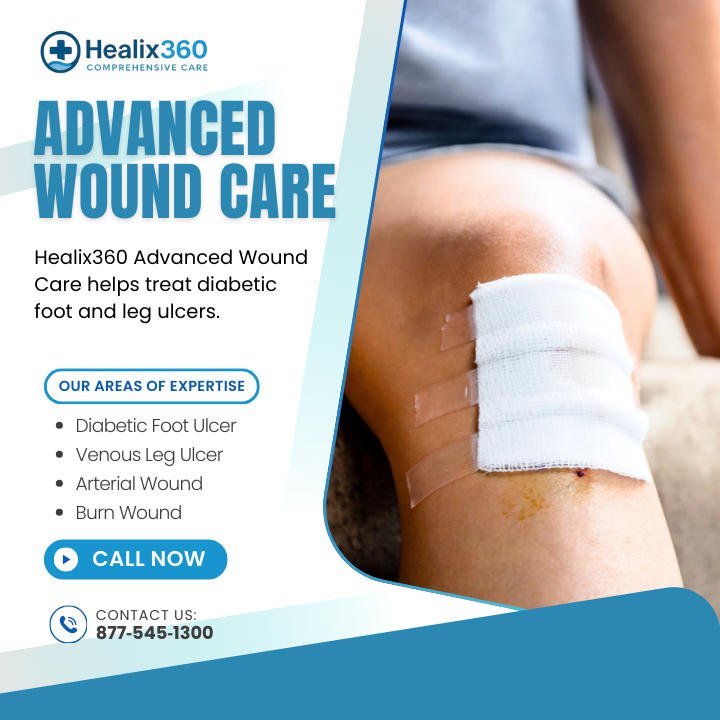
Several advanced wound dressings and topical agents have been shown to be effective in managing radiation burns:
- Hydrogel Dressings: These dressings provide moisture to the wound, promoting a moist healing environment that can accelerate recovery.
- Foam Dressings: They absorb exudate and protect the wound from external contaminants, reducing the risk of infection.
- Silicone Gel Sheets: These are effective in minimizing scarring and improving the appearance of healed skin.
The choice of dressing depends on the severity of the skin damage and the specific needs of the patient.
How Do Multidisciplinary Approaches Enhance Radiation Wound Care Outcomes?
A multidisciplinary approach to radiation wound care involves collaboration among various healthcare professionals, including oncologists, nurses, and specialized wound care providers. This team-based strategy ensures that patients receive comprehensive care tailored to their individual needs.
By integrating different perspectives and expertise, multidisciplinary teams can develop holistic treatment plans that address not only the physical aspects of radiation-induced skin damage but also the emotional and psychological support required for recovery. This collaborative effort enhances patient outcomes and promotes a more positive healing experience.
How Can Infection Prevention and Wound Healing Optimization Be Achieved in Radiation Wound Care?
Infection prevention is a critical component of radiation wound care. Strategies to minimize the risk of infection include:
- Maintaining Cleanliness: Regularly cleaning the wound and surrounding skin with mild soap and water helps prevent infection.
- Using Appropriate Dressings: Selecting the right type of dressing can protect the wound from bacteria and other pathogens.
- Educating Patients: Providing patients with information on signs of infection and proper wound care techniques empowers them to take an active role in their healing process.
Optimizing wound healing also involves ensuring adequate nutrition and hydration, as these factors significantly influence the body’s ability to repair damaged tissue.
What Are the Signs of Radiation Wound Infection and How Are They Managed?
Recognizing the signs of infection in radiation wounds is essential for prompt treatment. Common indicators include increased redness, swelling, warmth, and discharge from the wound. Patients may also experience fever or increased pain in the affected area.
Management of infected wounds typically involves:
- Antibiotic Therapy: Prescribing appropriate antibiotics based on the type of infection.
- Wound Debridement: Removing necrotic tissue to promote healing and reduce the bacterial load.
- Regular Monitoring: Frequent assessments by healthcare providers to ensure the infection is responding to treatment.
Early intervention is key to preventing complications and ensuring optimal healing.
Which Protocols Support Skin Barrier Repair and Moist Wound Healing?
Protocols that support skin barrier repair and promote moist wound healing are vital in managing radiation-induced skin damage. Key strategies include:
- Moisturization: Regular application of emollients helps maintain skin hydration and integrity.
- Gentle Cleansing: Using non-irritating cleansers minimizes further damage to the skin barrier.
- Avoiding Irritants: Patients should be advised to avoid harsh soaps, fragrances, and other potential irritants that can exacerbate skin damage.
These protocols not only facilitate healing but also enhance patient comfort during the recovery process.
What Is the Patient Referral and Appointment Scheduling Process for Radiation Wound Care at Healix 360?
At Healix 360, the patient referral and appointment scheduling process is designed to be straightforward and efficient. Patients can be referred by their primary care physician or oncologist, ensuring that they receive specialized care tailored to their needs.
Once a referral is made, patients can schedule an appointment through our dedicated team, who will guide them through the process. Healix 360 focuses on providing personalized treatment solutions for complex wounds, including those caused by radiation therapy. Our commitment to patient-centered care ensures that individuals receive the support they need throughout their healing journey.
What Are the Benefits of Provider Partnerships in Delivering Comprehensive Radiation Wound Care?
Provider partnerships play a crucial role in delivering comprehensive radiation wound care. Collaborating with various healthcare professionals allows for a more integrated approach to treatment, enhancing the overall quality of care.
Benefits of these partnerships include:
- Resource Sharing: Access to a broader range of expertise and resources improves patient outcomes.
- Coordinated Care: Streamlined communication among providers ensures that all aspects of a patient’s care are addressed.
- Enhanced Patient Support: Patients benefit from a network of professionals dedicated to their recovery, providing emotional and psychological support alongside medical treatment.
These collaborative efforts ultimately lead to better healing outcomes and a more positive experience for patients undergoing radiation therapy.
To learn more about our services or to schedule a consultation, please contact us today. We are dedicated to providing comprehensive and compassionate care for all your wound care needs.