
Telehealth in Wound Care: Comprehensive Remote Monitoring and Virtual Consultations for Optimized Patient Outcomes
Telehealth in wound care represents a transformative approach to managing chronic wounds through remote monitoring and virtual consultations. This innovative method enhances patient outcomes by providing timely access to specialized care without the need for in-person visits. Patients can benefit from continuous monitoring, which allows for real-time adjustments to treatment plans based on their specific needs. This article will explore the various aspects of telehealth wound care, including its definition, clinical benefits, and the technologies that facilitate remote assessments. Additionally, we will discuss the process for virtual wound assessments and the types of chronic wounds best managed through telehealth services.
What Is Telehealth Wound Care and How Does It Enhance Chronic Wound Management?
Telehealth wound care refers to the use of digital communication technologies to provide wound care services remotely. This approach enhances chronic wound management by allowing healthcare providers to monitor patients’ wounds from a distance, ensuring timely interventions and reducing the need for frequent office visits. The integration of telehealth in wound care not only improves access to specialized care but also empowers patients to take an active role in their healing process. Technologies such as high-resolution imaging and secure communication platforms play a crucial role in facilitating these remote consultations.
Further emphasizing the broad utility of digital tools in this field, a systematic review highlights how smart devices have made telemedicine a viable solution for chronic wound management.
Telemedicine for Chronic Wound Management
Background:Chronic wounds have been a great burden to patients and the health care system. The popularity of the internet and smart devices, such as mobile phones and tablets, has made it possible to adopt telemedicine (TM) to improve the management of chronic wounds.
Telemedicine in chronic wound management: systematic review and meta-analysis, 2020
Healix 360 is a specialized wound care provider emphasizing advanced, patient-centered solutions including telehealth wound care, remote monitoring, and virtual consultations. This service allows for efficient patient referrals and appointment scheduling, ensuring that patients receive the care they need promptly.
Clinical Benefits of Remote Wound Care Services Supported by Recent Studies
Remote wound care services offer several clinical benefits that have been supported by recent studies. These advantages include:
- Improved Patient Outcomes: Studies indicate that patients receiving telehealth wound care experience faster healing times and better overall outcomes compared to traditional in-person visits.
- Cost-Effectiveness: Telehealth services can reduce healthcare costs by minimizing travel expenses and decreasing the frequency of hospital visits.
- Increased Access to Care: Patients in rural or underserved areas can access specialized wound care services without the burden of long-distance travel.
These benefits highlight the potential of telehealth to revolutionize wound care management, making it more efficient and accessible for patients.
How Does Digital Wound Monitoring Technology Facilitate Remote Assessment and Healing Tracking?
Digital wound monitoring technology plays a pivotal role in facilitating remote assessments and tracking healing progress. High-resolution imaging allows healthcare providers to visualize wounds in detail, enabling accurate assessments without the need for physical examinations. Additionally, AI-assisted tools can analyze wound images to identify changes in size, color, and other critical factors that indicate healing progress. Secure communication platforms ensure that patient data is transmitted safely, allowing for timely feedback and adjustments to treatment plans.
Key Features of Remote Wound Monitoring Devices and Platforms
Remote wound monitoring devices and platforms come equipped with several key features that enhance their effectiveness in managing chronic wounds. These features include:
- Virtual Wound Care Platforms: These platforms enable healthcare providers to conduct consultations and monitor patients remotely, ensuring continuous care.
- Mobile Technologies: Mobile applications allow patients to upload images of their wounds and communicate with their healthcare providers easily.
- AI-Assisted Tools: These tools help in analyzing wound conditions and predicting healing trajectories, providing valuable insights for treatment adjustments.
The integration of these features into wound care practices significantly improves patient engagement and treatment outcomes.
This table illustrates how different remote monitoring technologies contribute to effective wound care management.
Impact of Digital Wound Tracking on Healing Outcomes and Readmission Rates
Digital wound tracking has a profound impact on healing outcomes and readmission rates. By continuously monitoring wounds, healthcare providers can identify complications early and intervene promptly, which reduces the likelihood of readmissions. Research shows that patients who utilize digital tracking tools experience improved healing outcomes, as they receive timely feedback and adjustments to their treatment plans. Furthermore, the convenience of remote monitoring encourages patients to adhere to their care regimens, further enhancing healing rates.
The effectiveness of remote monitoring in preventing complications and reducing hospital readmissions is further supported by research focusing on smartphone-based postoperative wound care.
Smartphone Telemedicine for Postoperative Wound Monitoring
Background:Surgical site infections (SSI) represent a significant public health problem as the most common nosocomial infection and a leading cause of unplanned hospital readmissions among surgical patients. Many develop following hospital discharge and often go unrecognized by patients. Telemedicine offers the opportunity to leverage the mobile technology to remotely monitor wound recovery in the transitional period between hospital discharge and routine clinic follow-up.
Feasibility of implementing a patient-centered postoperative wound monitoring program using smartphone images: a pilot protocol, S Fernandes-Taylor, 2017
What Is the Process for Virtual Wound Assessment and Online Wound Care Management?
The process for virtual wound assessment and online wound care management typically involves several key steps:
- Initial Consultation: Patients schedule a virtual appointment with a healthcare provider to discuss their wound condition and treatment history.
- Image Capture Techniques: Patients are guided on how to capture high-quality images of their wounds for assessment.
- Regular Follow-Ups: Ongoing virtual consultations are scheduled to monitor healing progress and make necessary adjustments to the treatment plan.
This structured approach ensures that patients receive comprehensive care while minimizing the need for in-person visits.
Provider Partnerships and Communication Channels in Telehealth Wound Care
Provider partnerships and effective communication channels are essential components of successful telehealth wound care. Collaboration among healthcare professionals ensures that patients receive coordinated care tailored to their specific needs. Communication channels, such as secure messaging and video consultations, facilitate timely information exchange, allowing for quick decision-making and adjustments to treatment plans. This collaborative approach enhances the overall quality of care and improves patient satisfaction.
Which Chronic Wound Types Are Best Managed Through Telehealth Services?
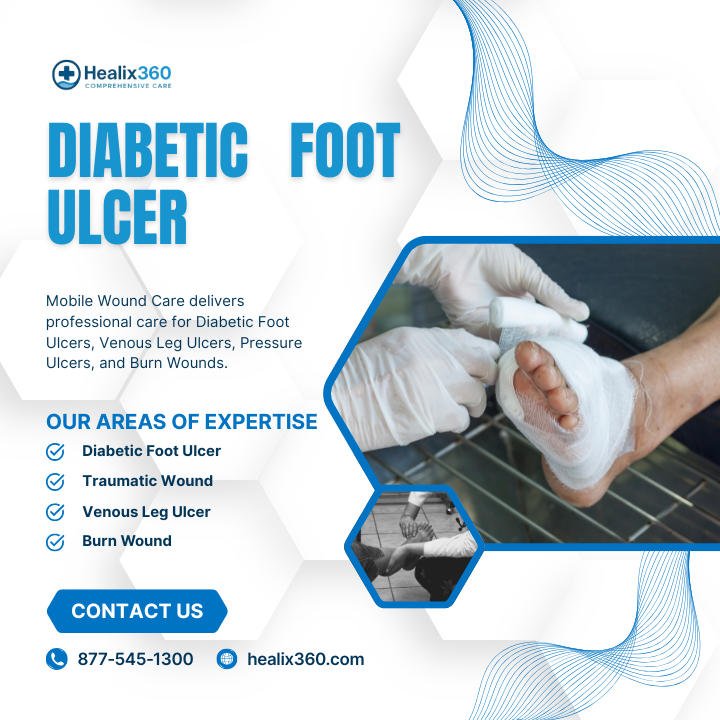
Telehealth services are particularly effective for managing various types of chronic wounds, including:
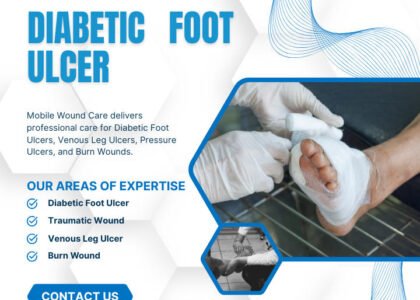
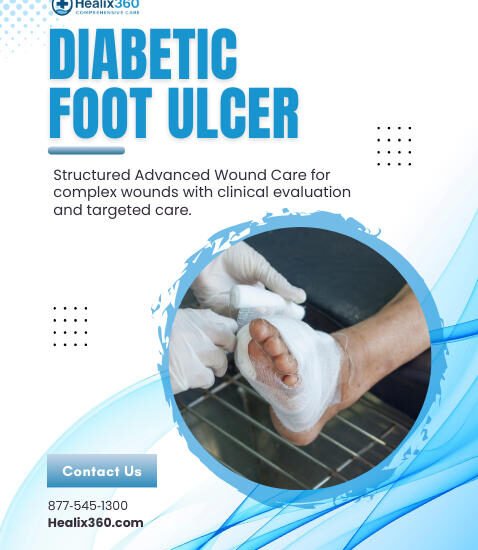
- Diabetic Foot Ulcers: These wounds require careful monitoring and management to prevent complications.
- Pressure Injuries: Telehealth allows for regular assessments to ensure proper care and prevent deterioration.
- Venous Leg Ulcers: Remote monitoring can help track healing progress and adjust treatment as needed.
Specifically, the efficacy of virtual care for complex conditions like diabetic foot ulcers has been demonstrated through studies on virtual triage and teleconsultations.
Virtual Triage & Teleconsultations for Diabetic Foot Outcomes
Patients with foot complications attending the diabetic foot clinic prior to lockdown who sought teleconsultations during COVID-19 lockdown underwent virtual triage to include clinical history, visual inspection of feet, domiciliary wound care (community nurse assisted dressings) and offloading instructions. The subsequent ulcer, limb and mortality outcomes during the following 24 weeks of COVID-19 lockdown (April-September 2020, group 1) were assessed and compared with those who attended foot clinic during the same period in 2019 (April-September, group 2).
Virtual triage and outcomes of diabetic foot complications during Covid-19 pandemic: A retro-prospective, observational cohort study, A Rastogi, 2021
By focusing on these chronic wound types, telehealth services can significantly improve patient outcomes and enhance the overall management of chronic wounds.
For more information on specific conditions that “Healix 360” addresses, visit their conditions page.
To discover how “Healix 360” can extend its specialized wound care to private residences, explore their dedicated services.
If you have any questions or would like to schedule a consultation, please “contact Healix 360” directly.